A Clod of The Earth |
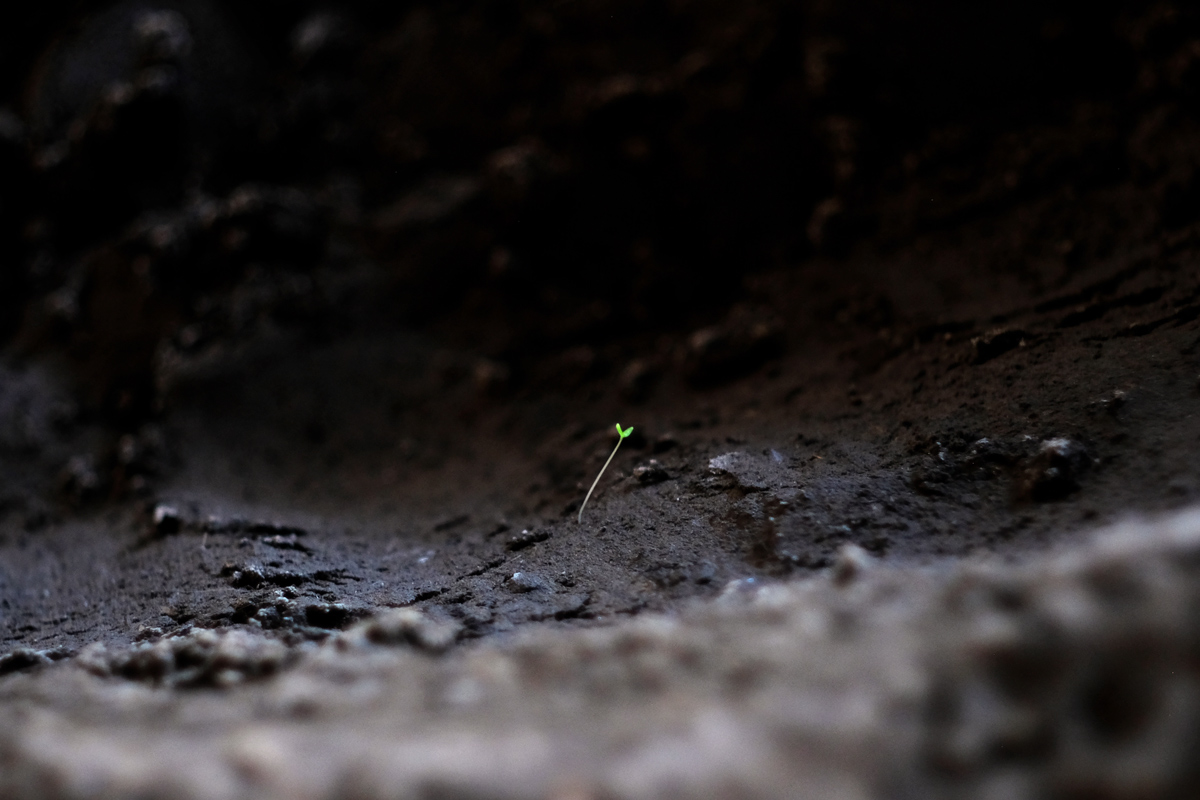
Born from the earth, returning to the earth.
I began this project using earth and ecological materials in March 2020, during the COVID-19 lockdown. The pandemic showed us that nothing is certain. Amid the uncertainty of confinement, I developed this project. The objects made of earth are extremely fragile and can crumble at any moment without any visible cause—just as our everyday lives suddenly stopped unfolding as they had the day before.
These objects represent our future, our hopes, our connections, and our Earth.
All life on Earth (including human beings) grows from the nutrients found in the soil, eventually comes to an end, and returns to the earth, where it becomes part of nature's cycle. Life continually renews and recycles itself, with the earth at its center. We are only one part of this process. Our children are as well. |
|
Works by Frankfurt Earth
|
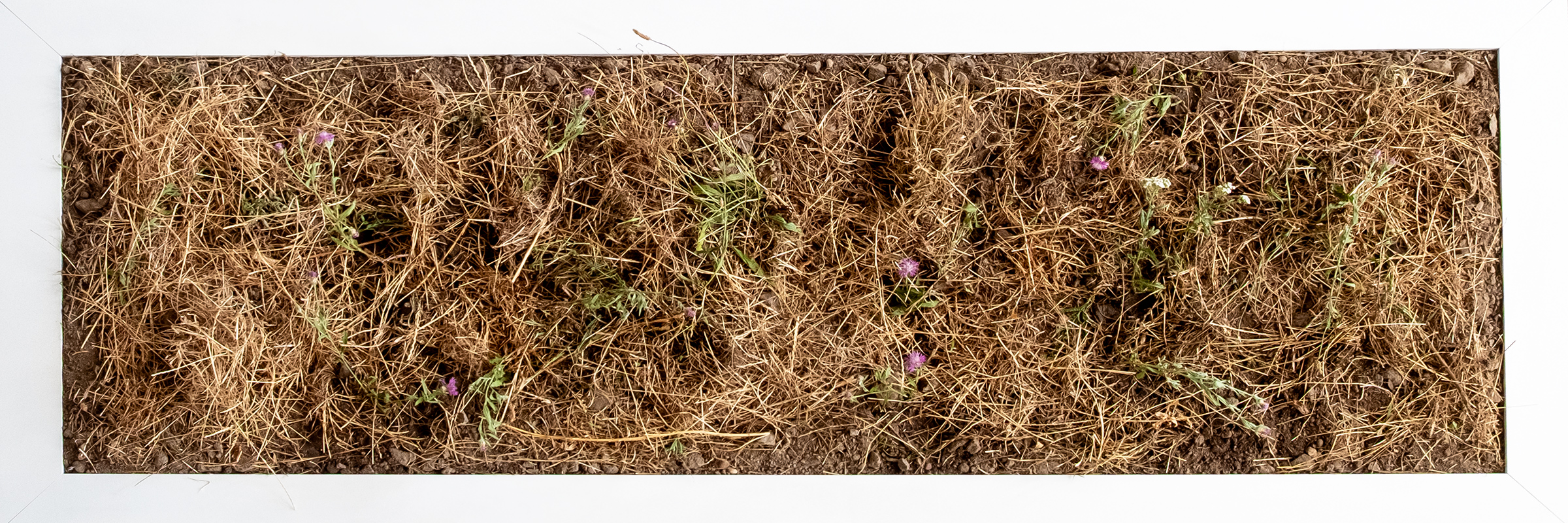 |
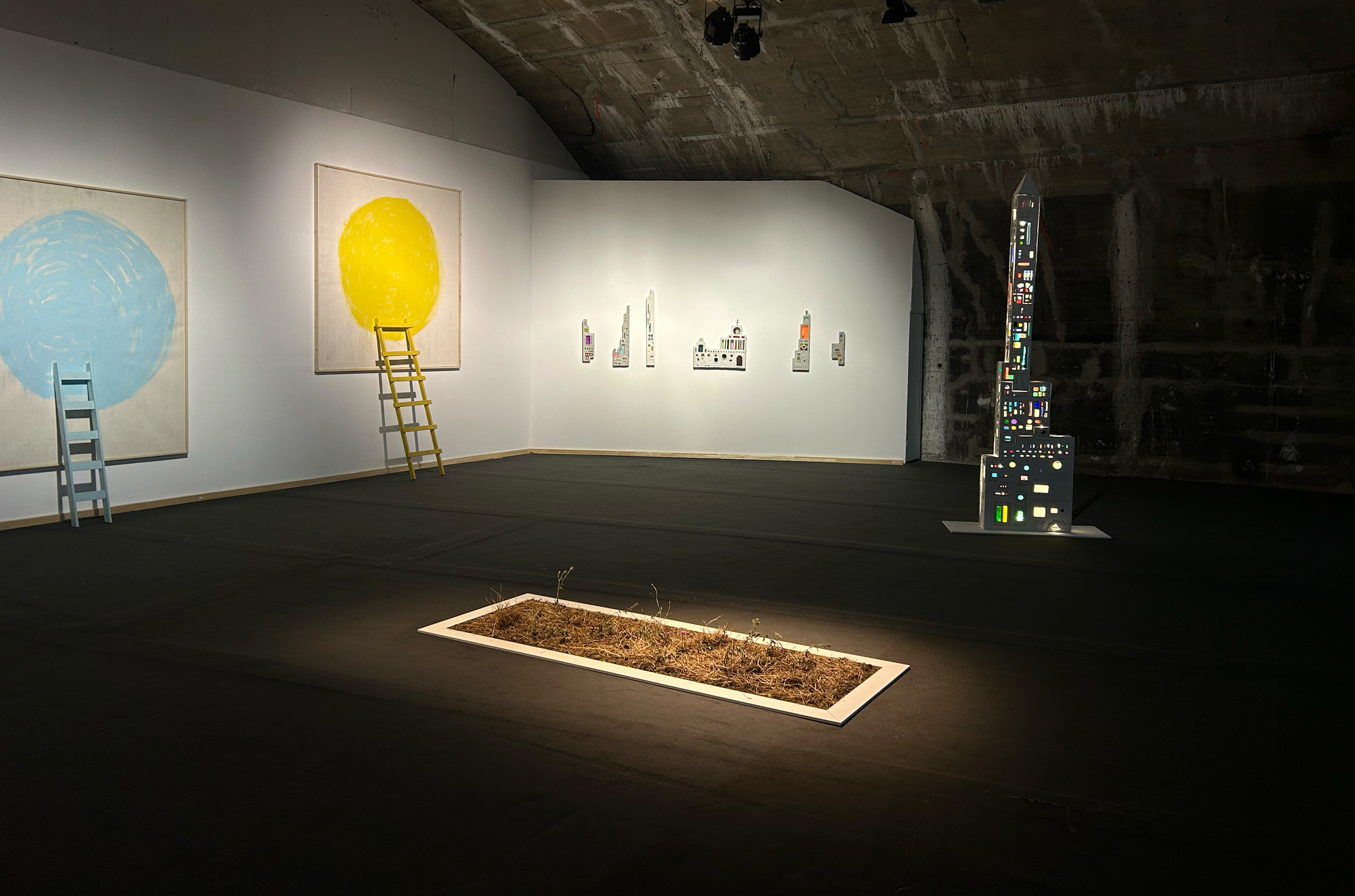
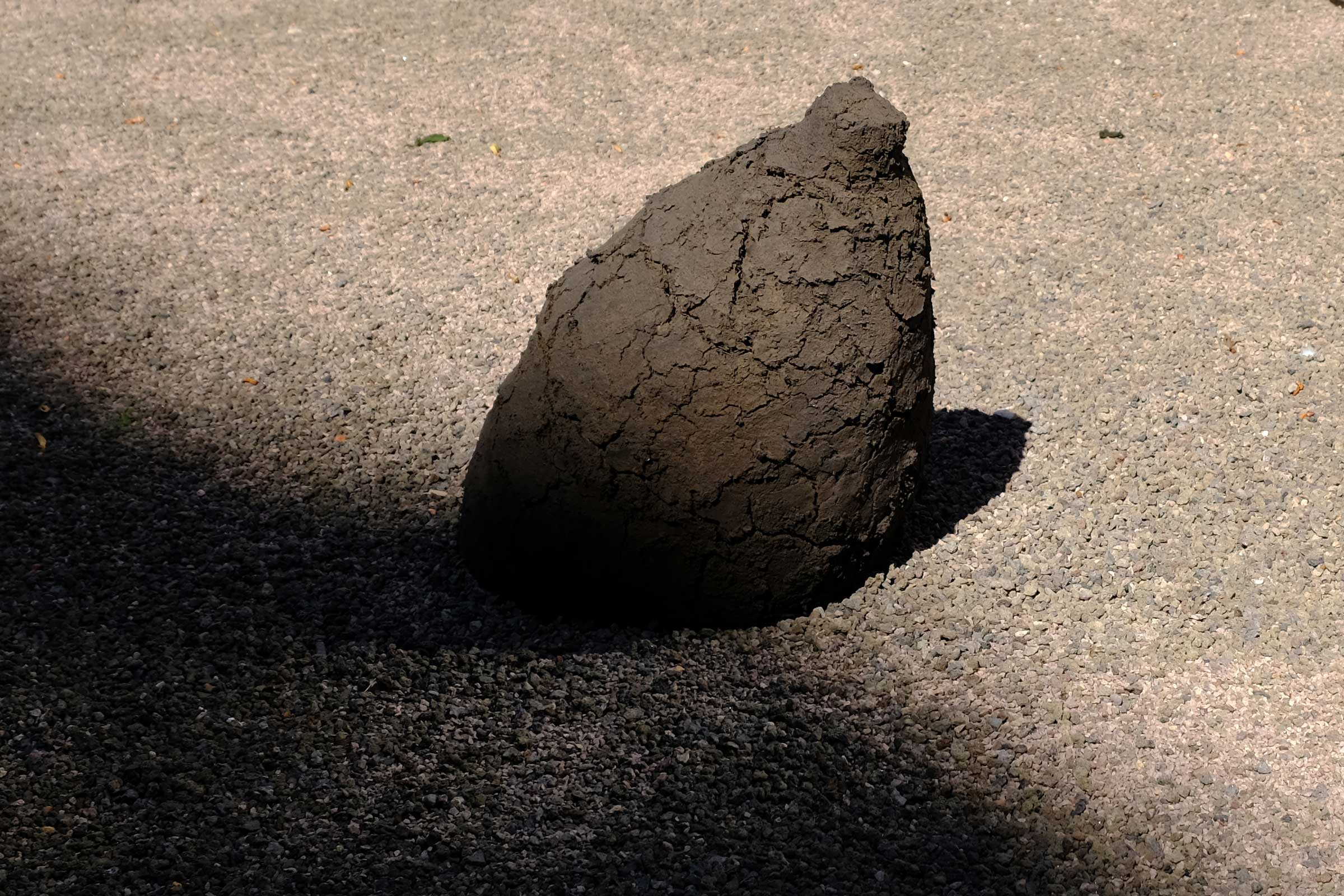
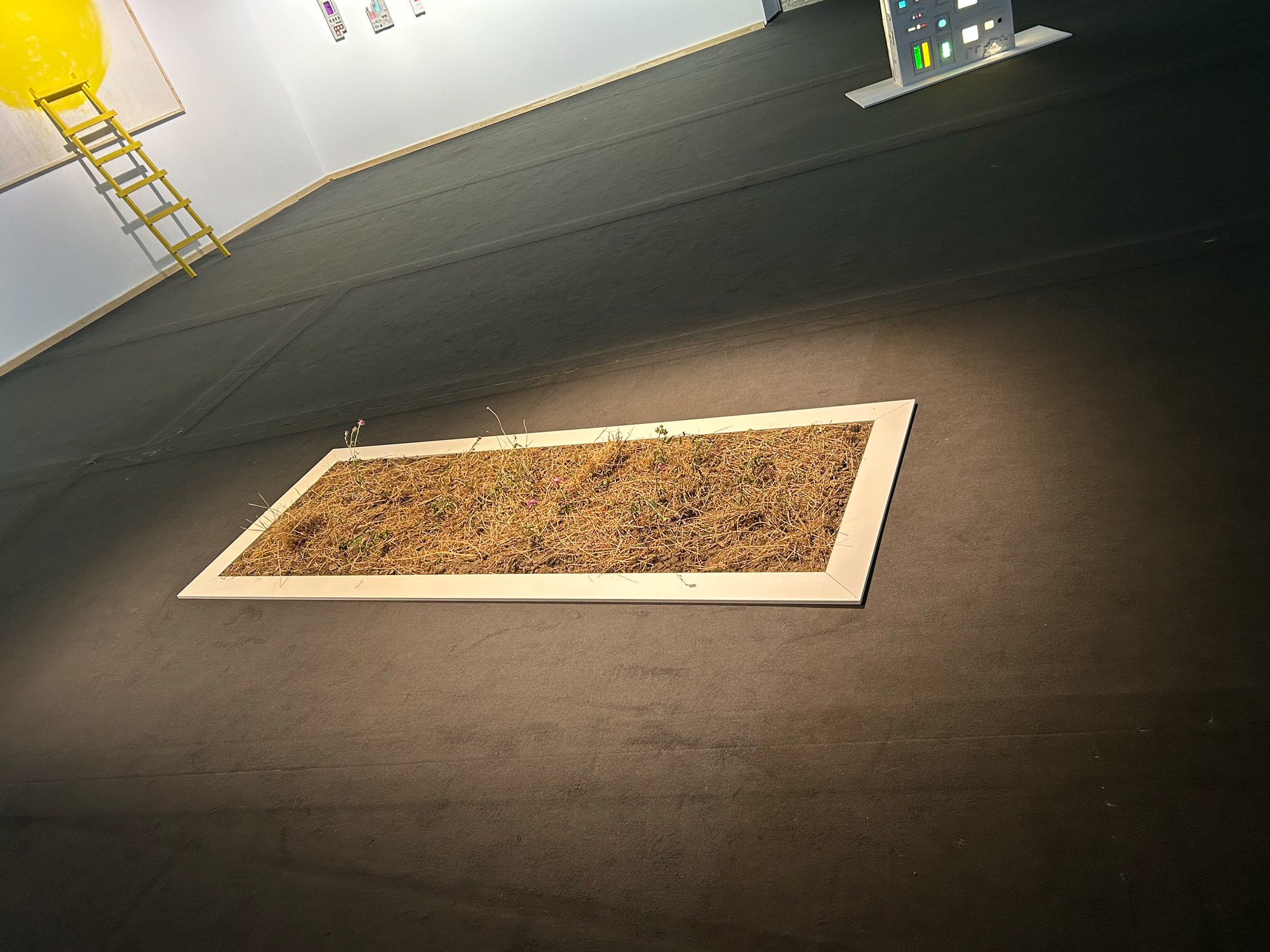
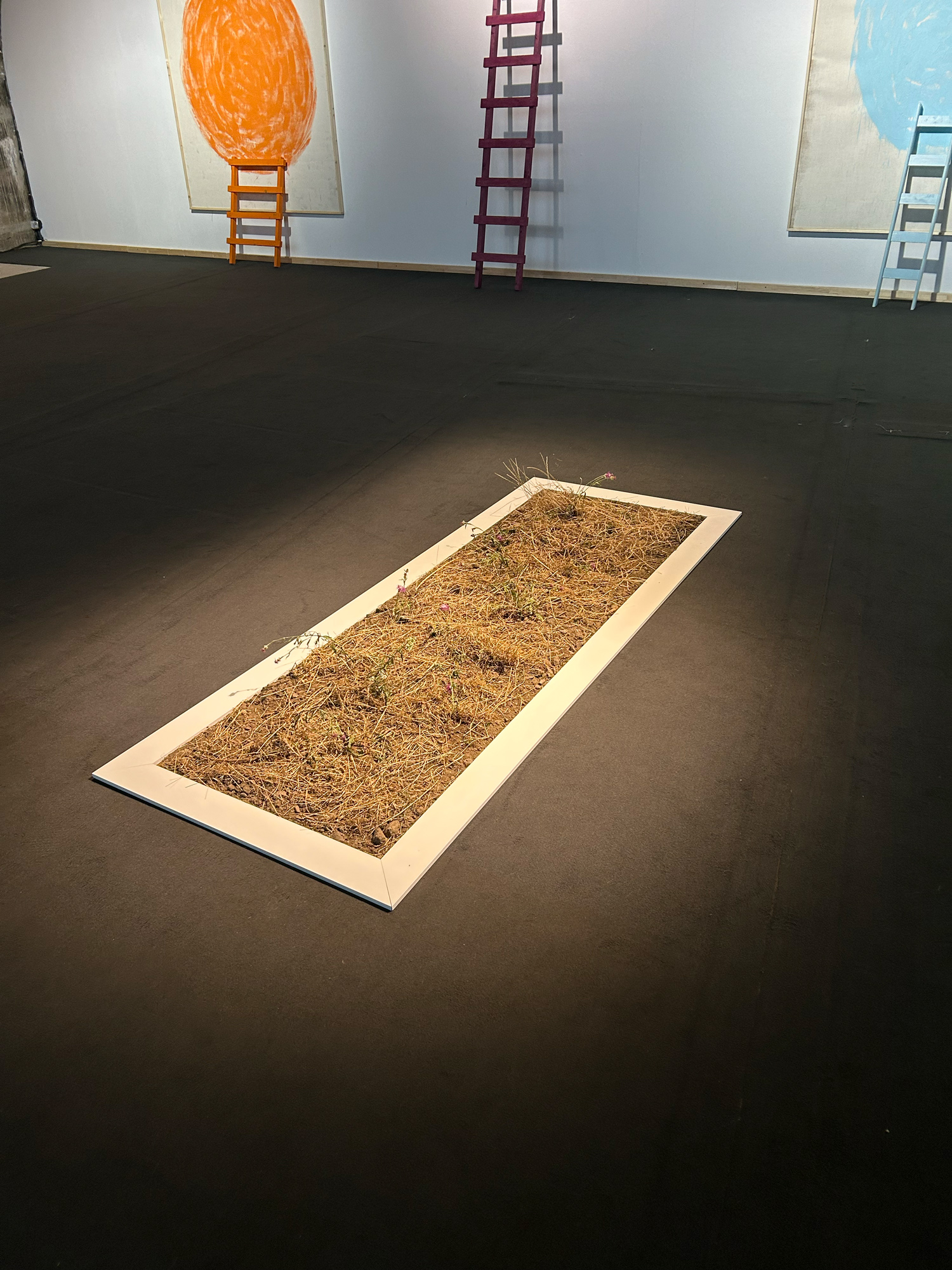
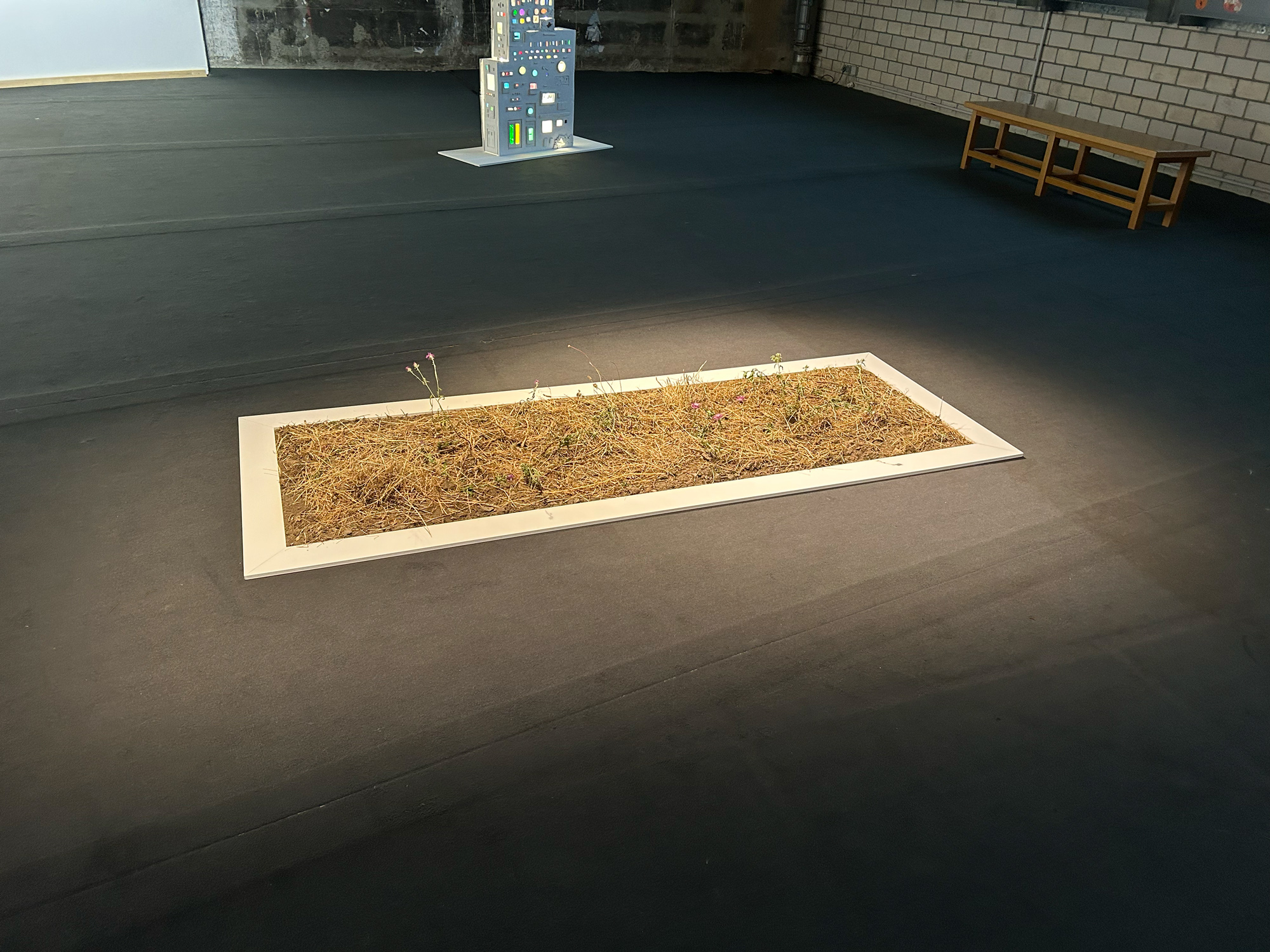
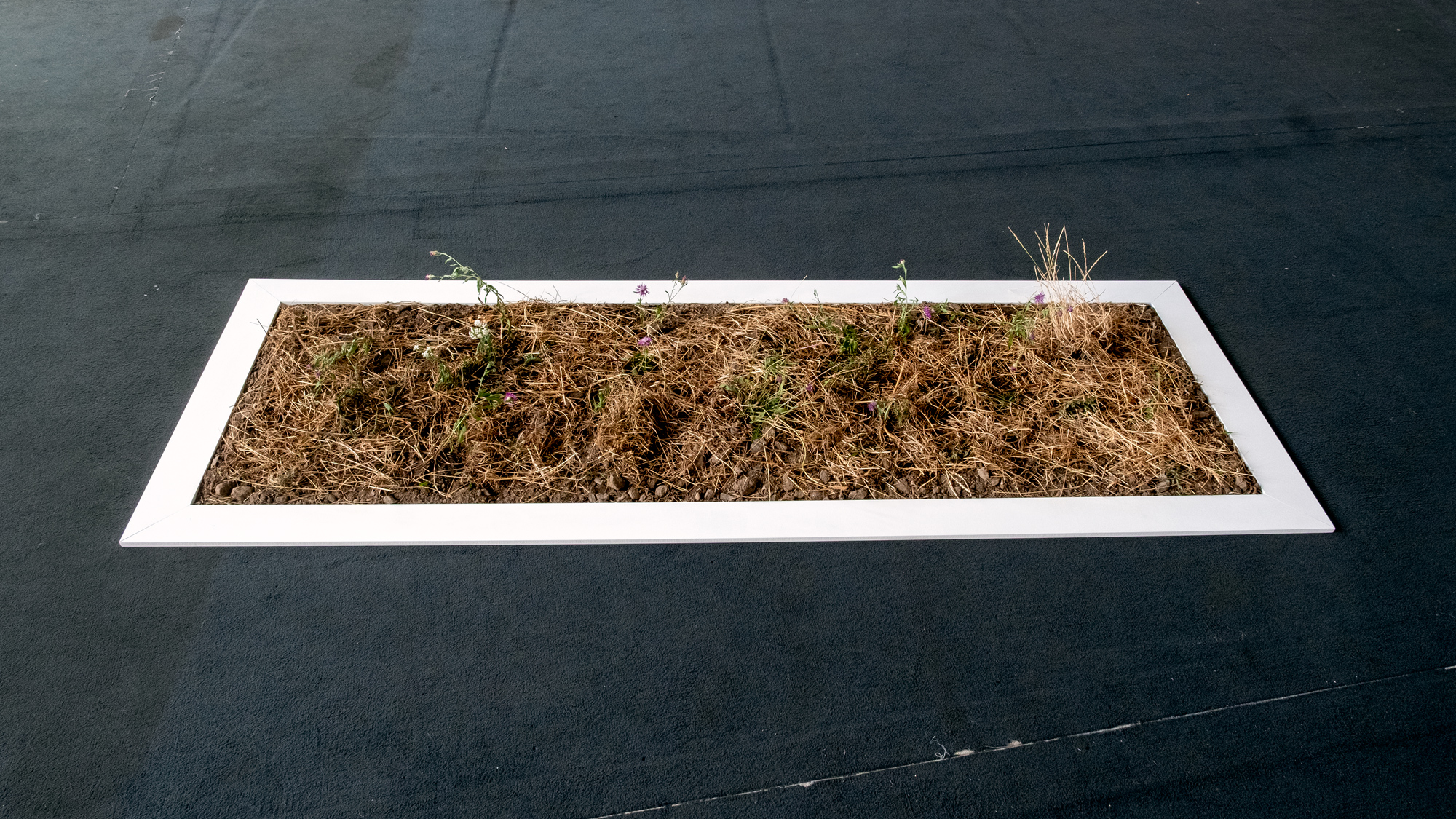
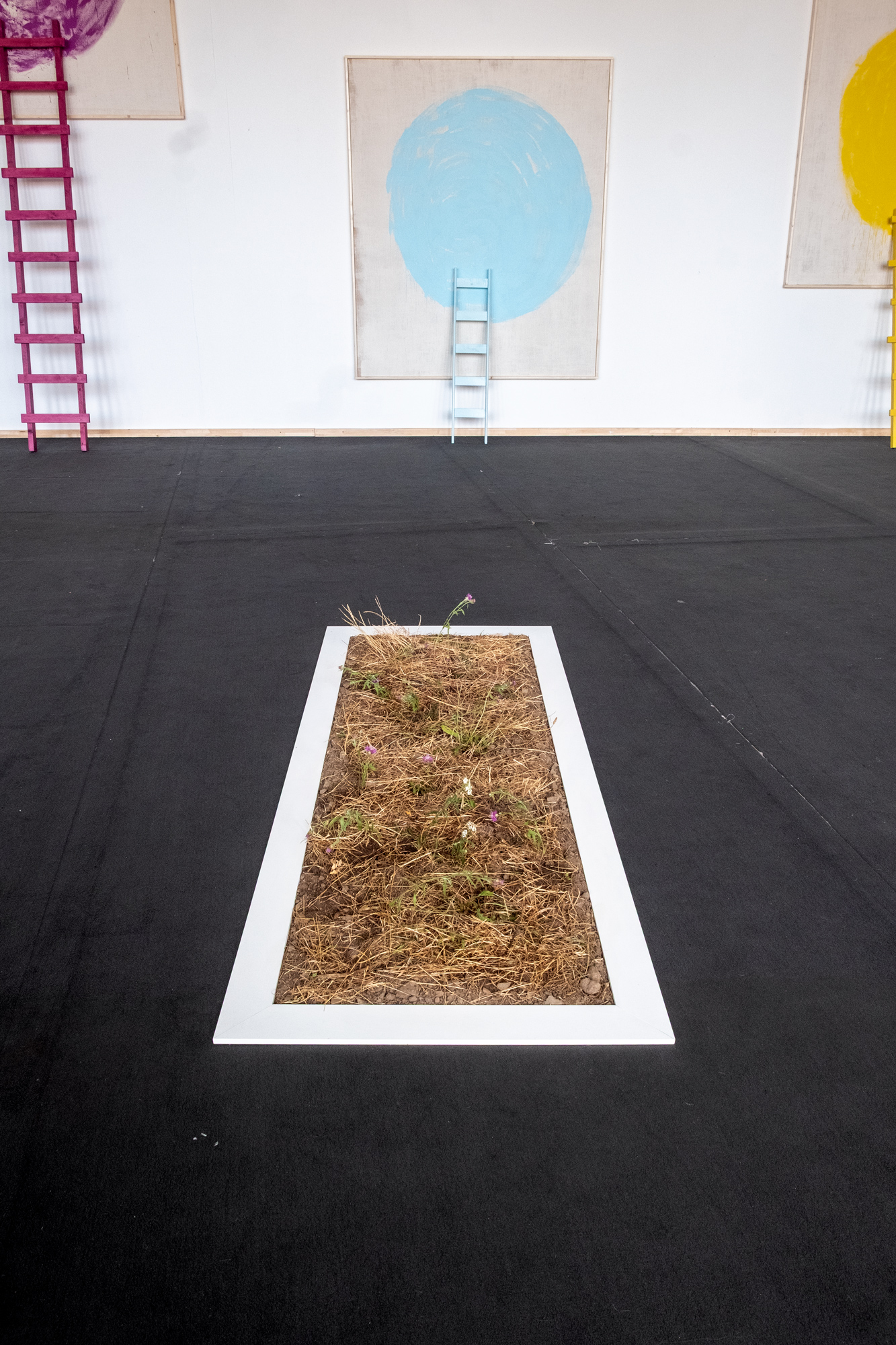
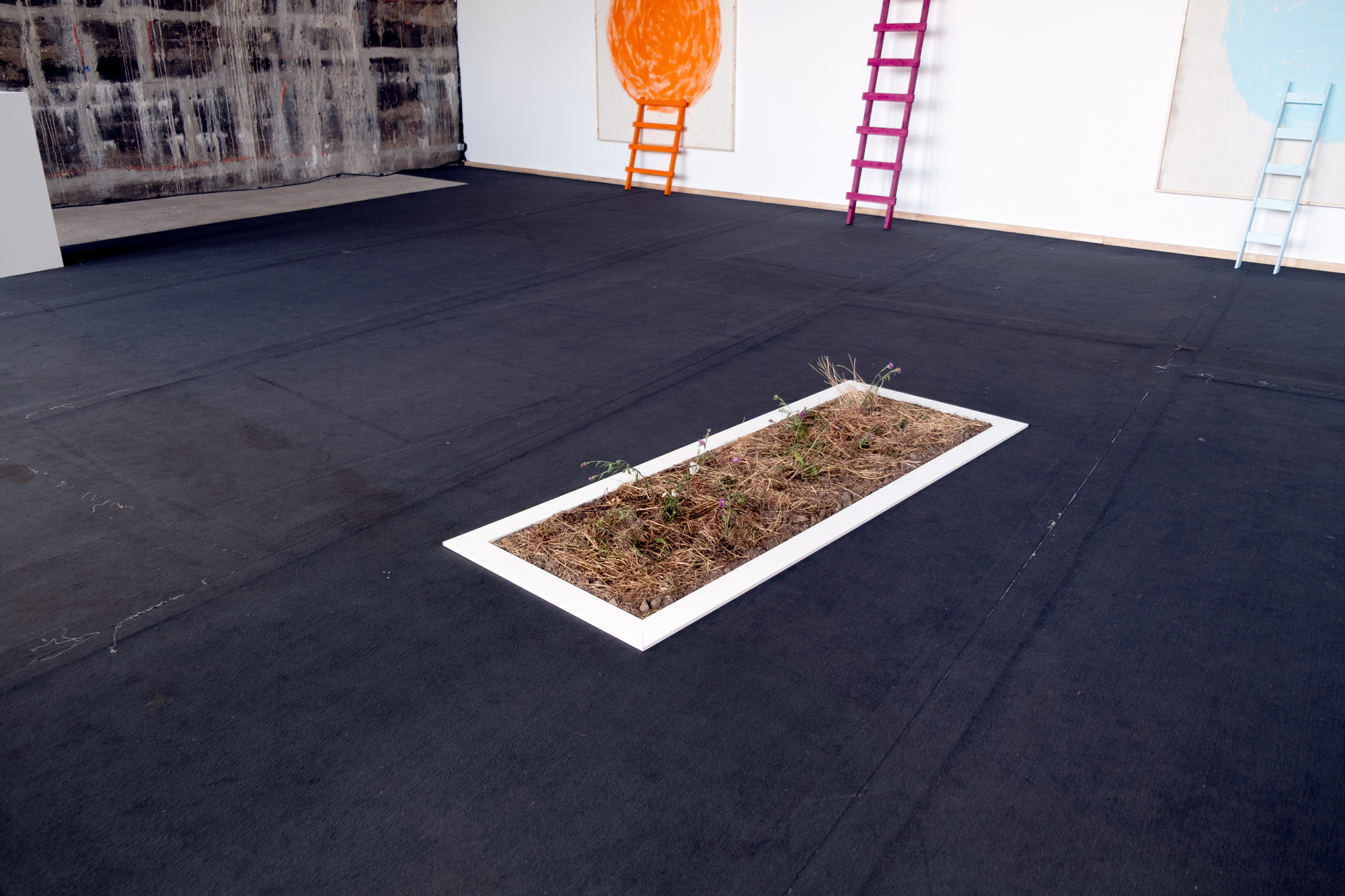
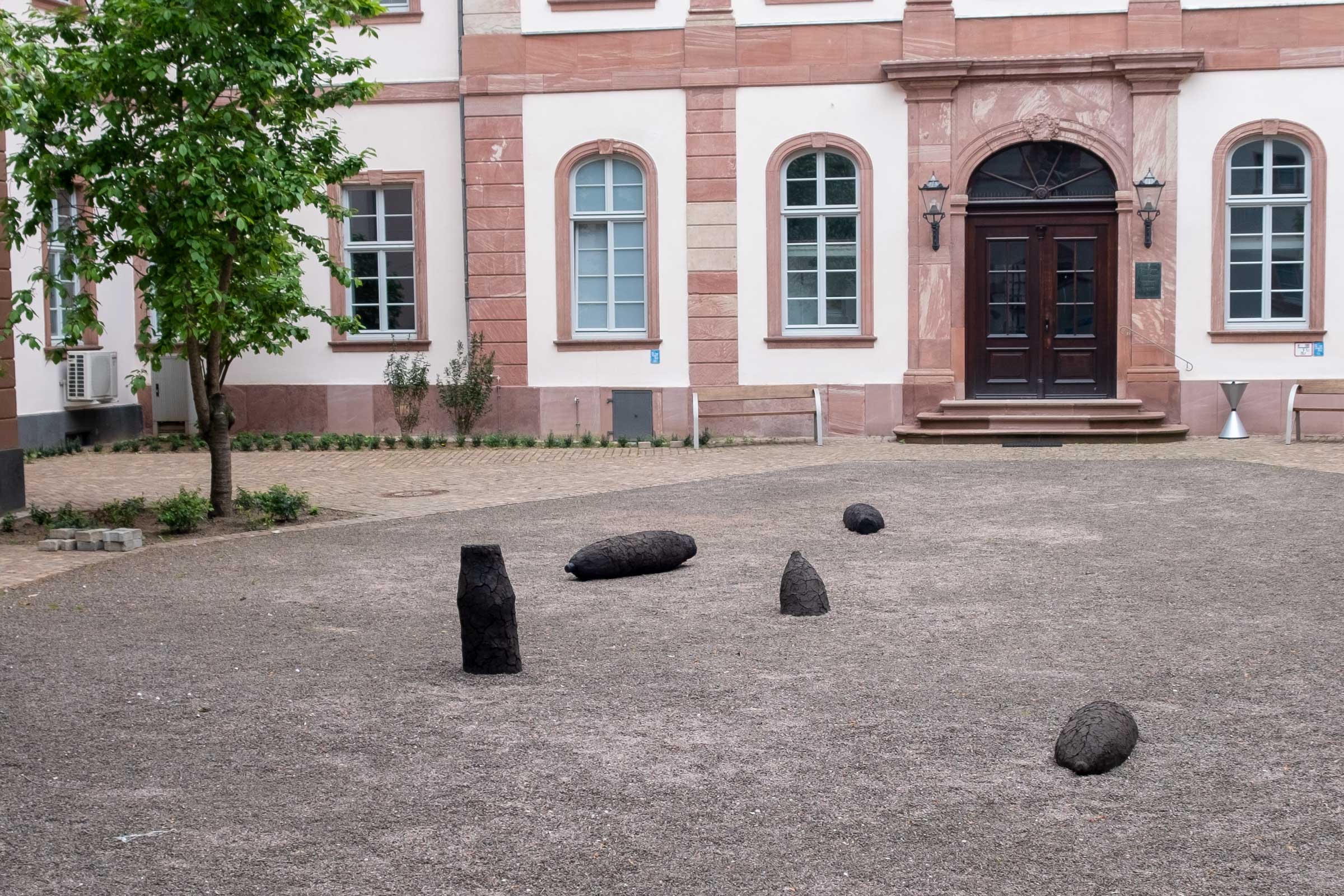
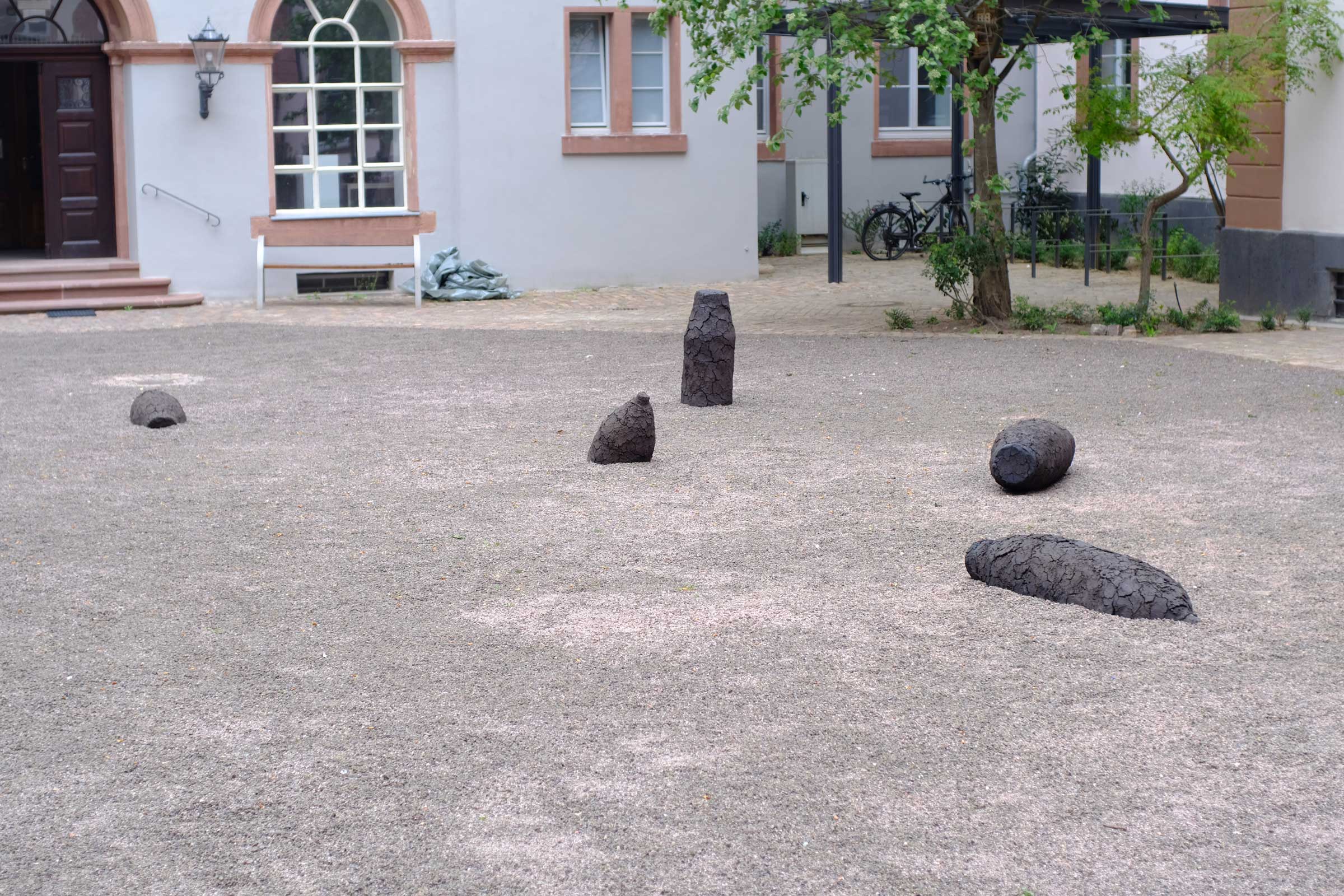
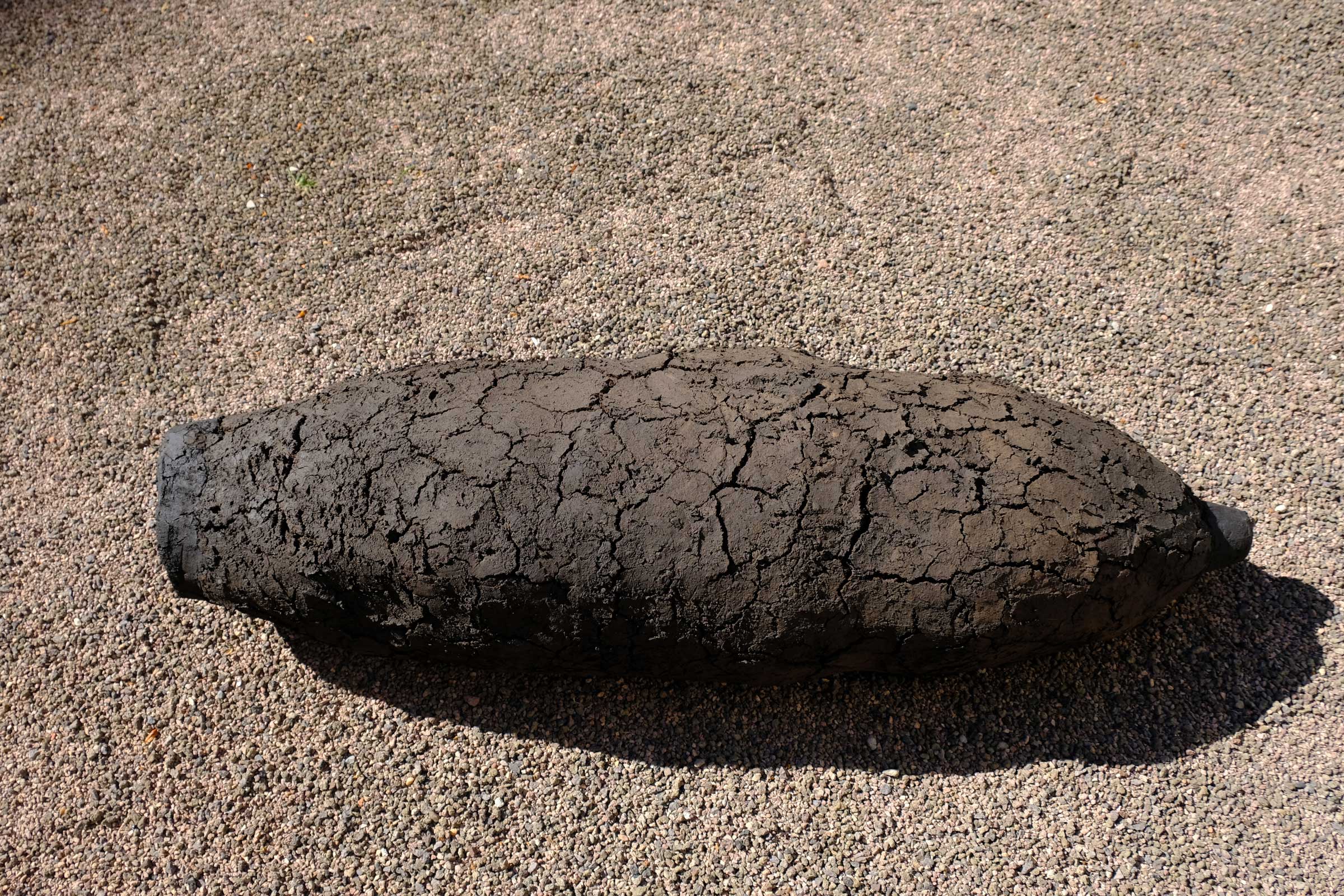
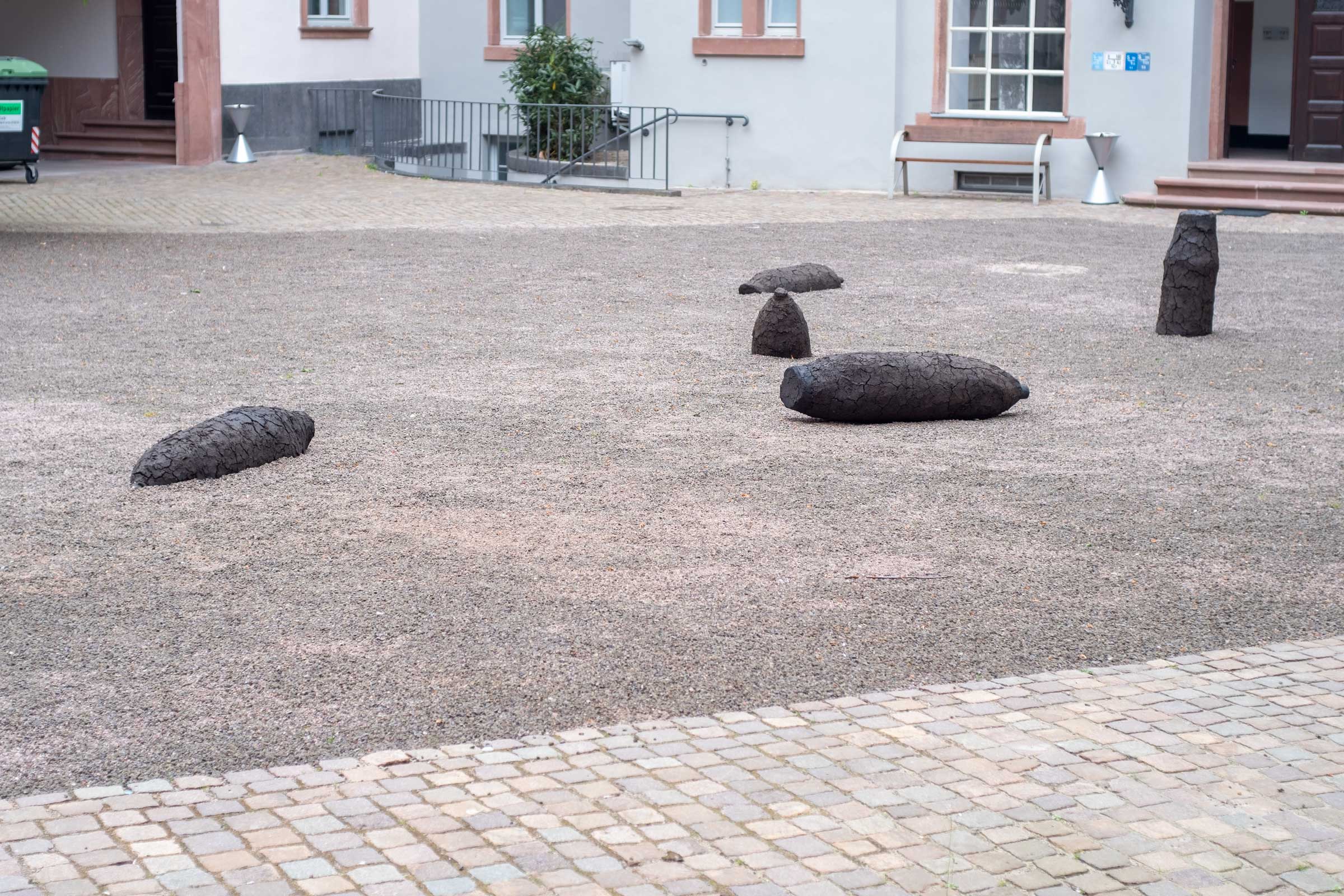
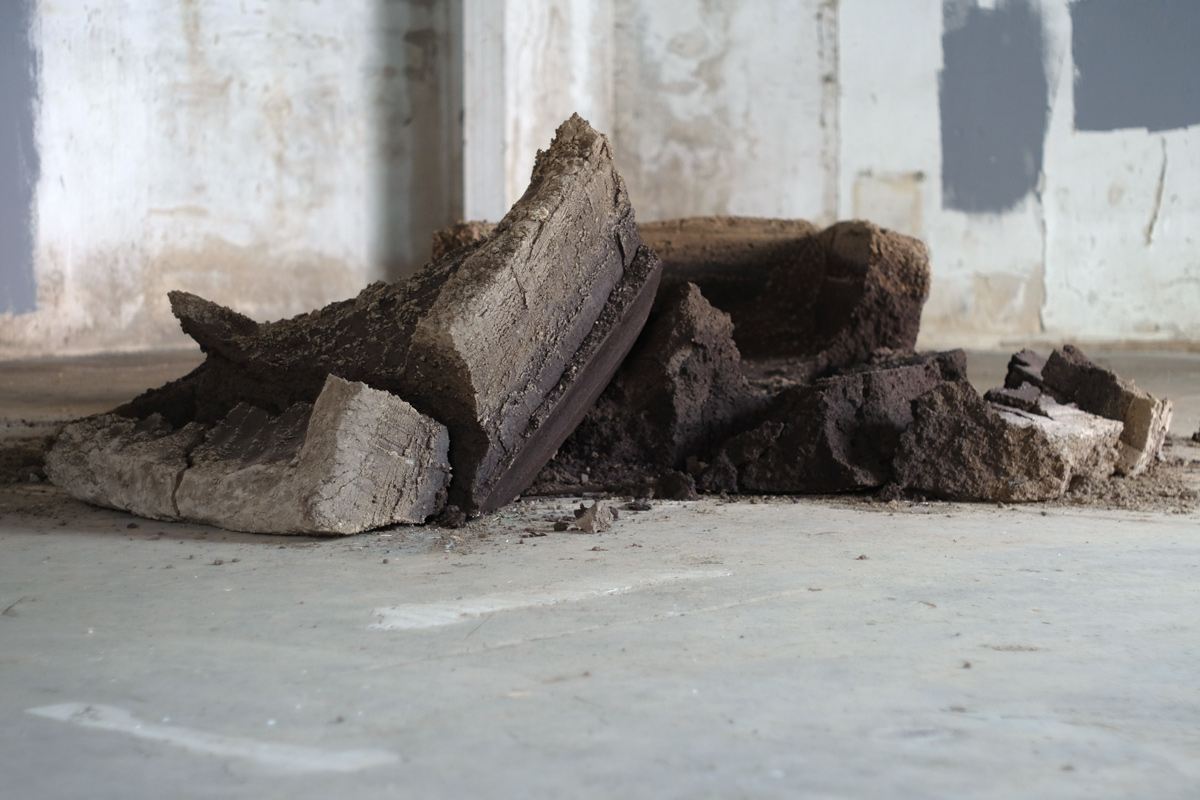
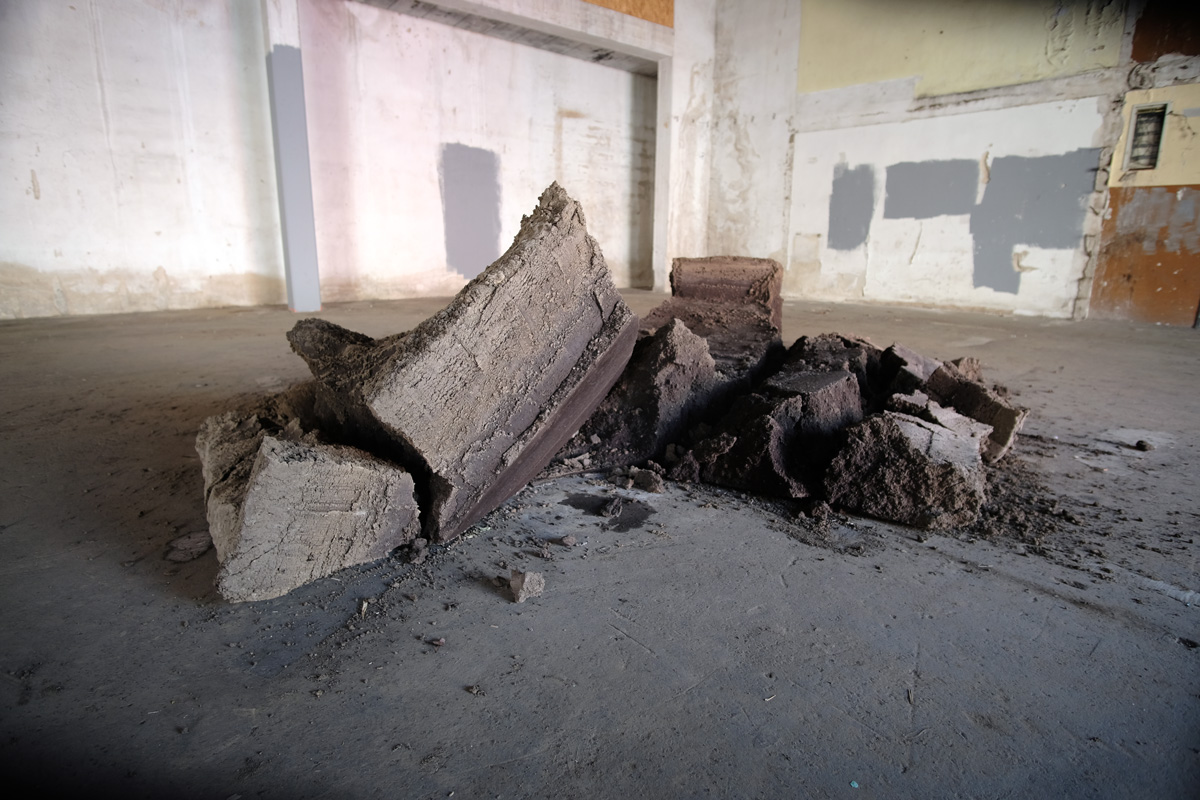
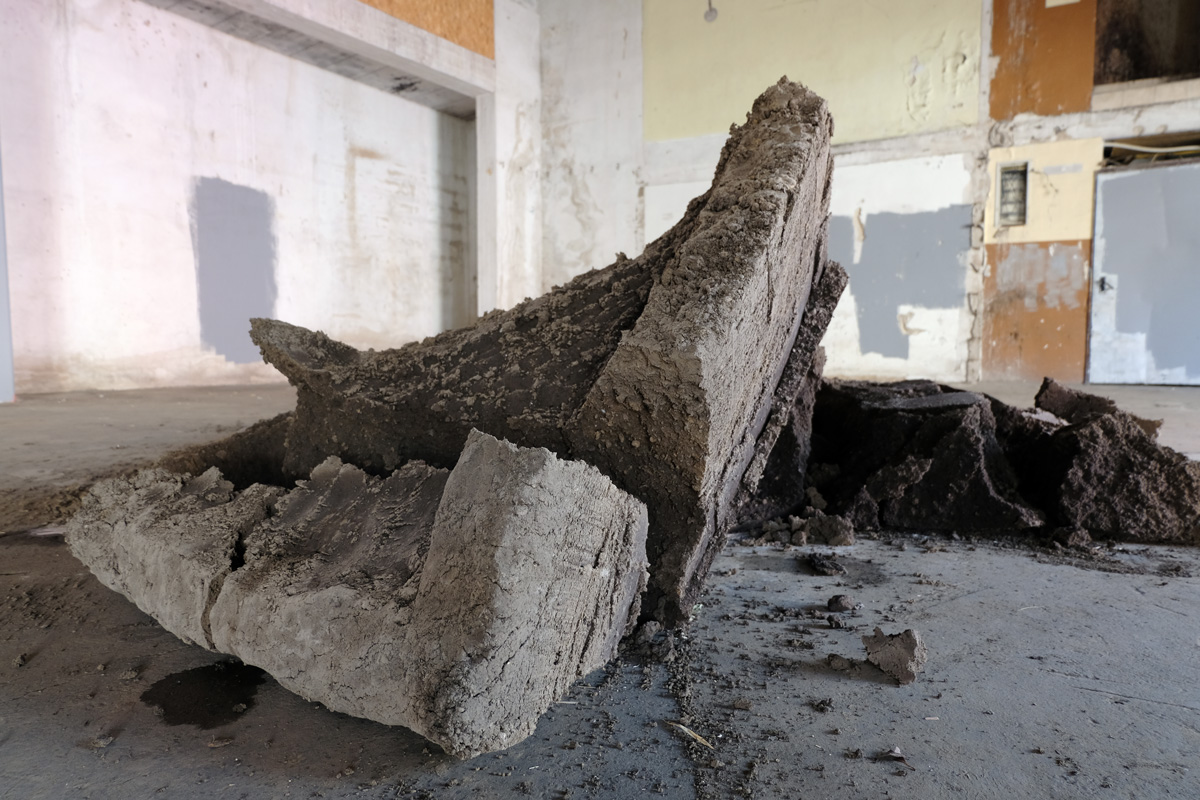
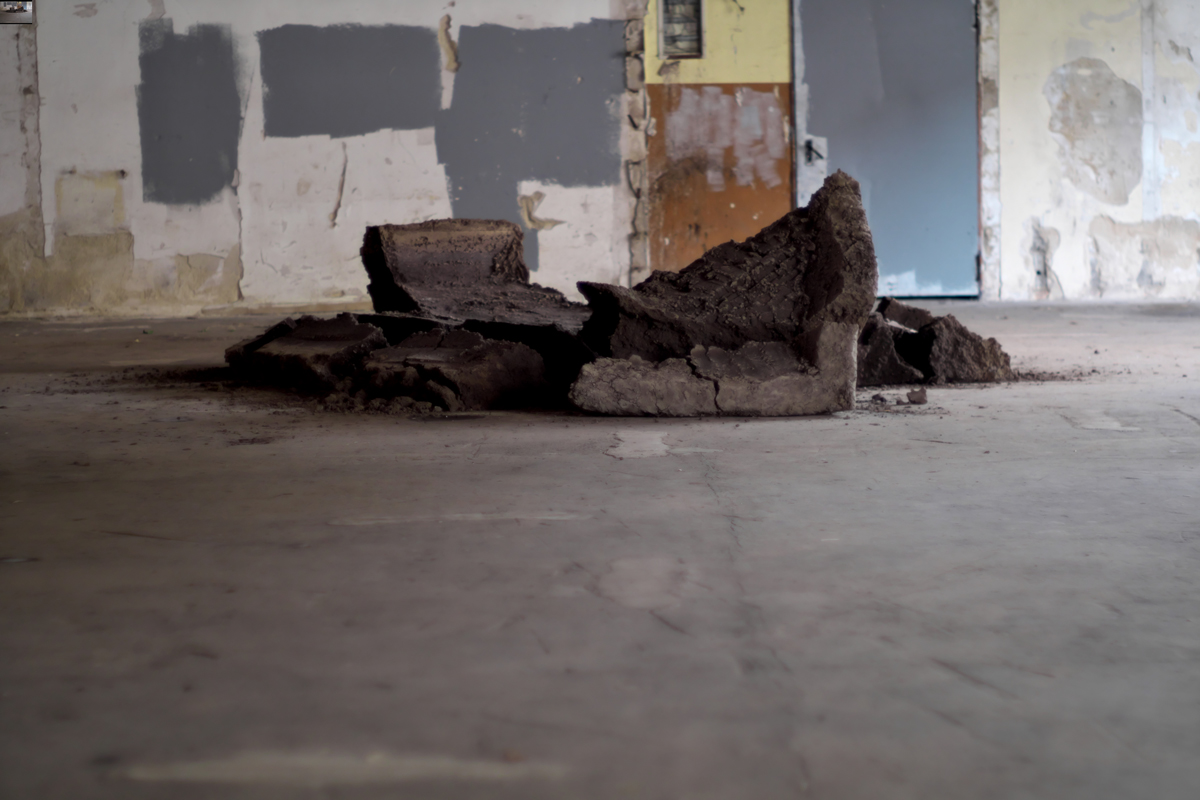
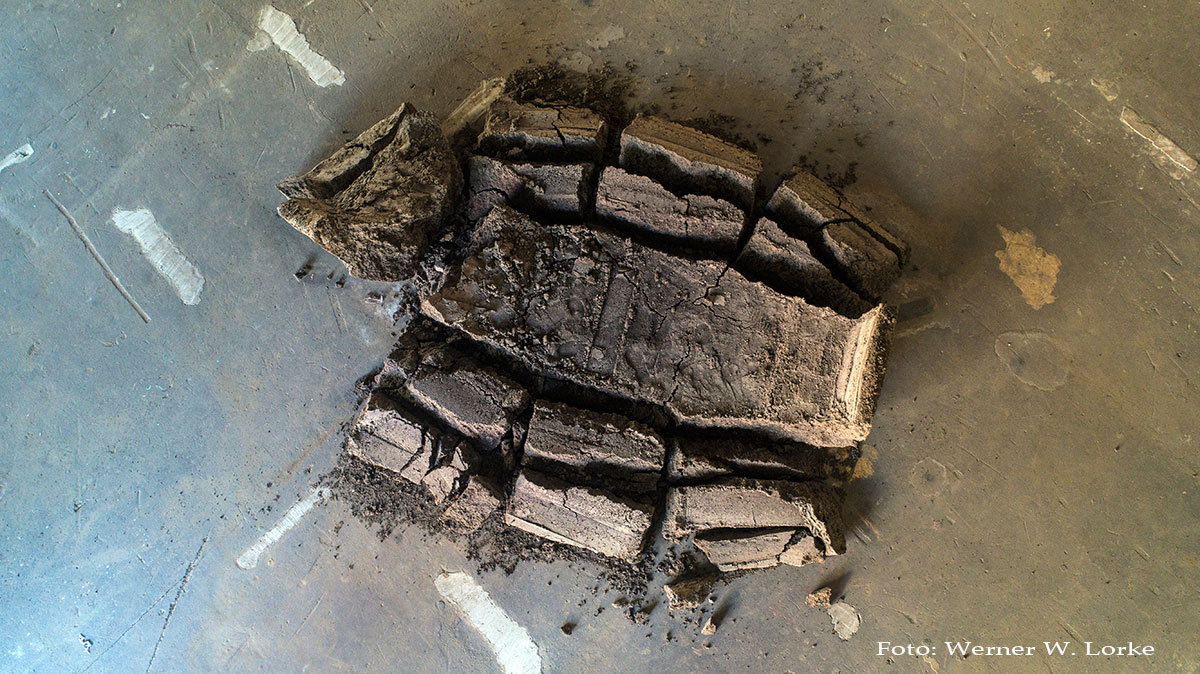
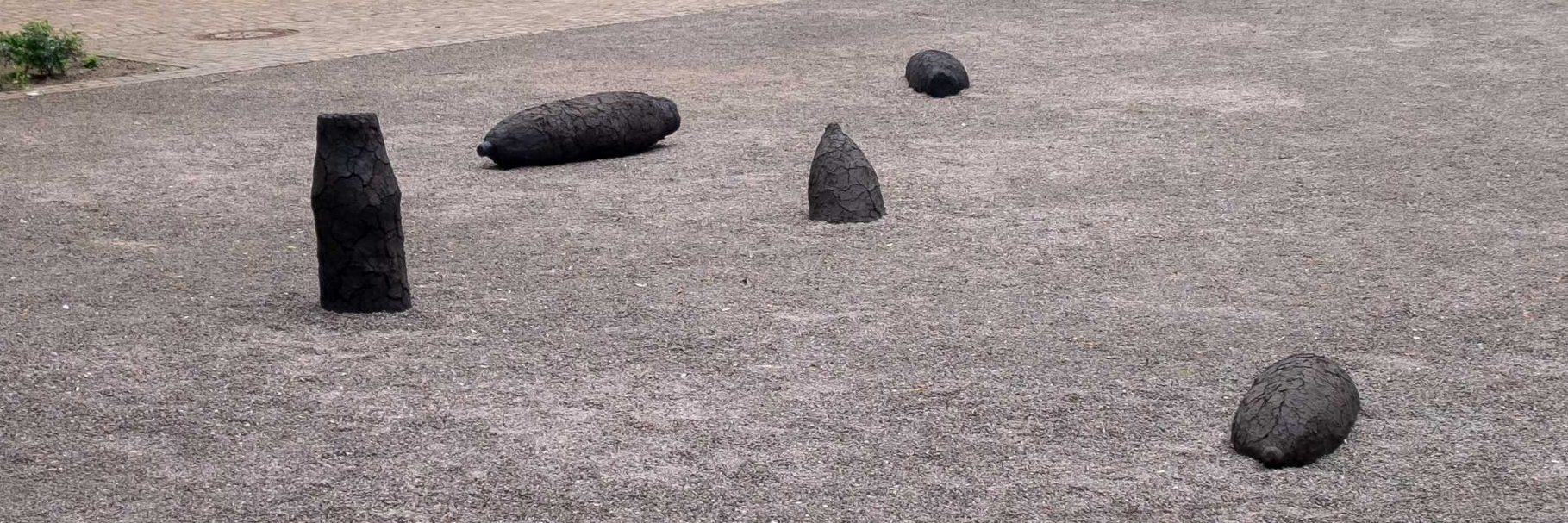
Three Arshins
2026
Earth、Stones, Grass, insects and their kin from a Field in front of the Kunstverein Familie Montez Frankfurt
200 x 2133,6 x 695,7 mm |
|
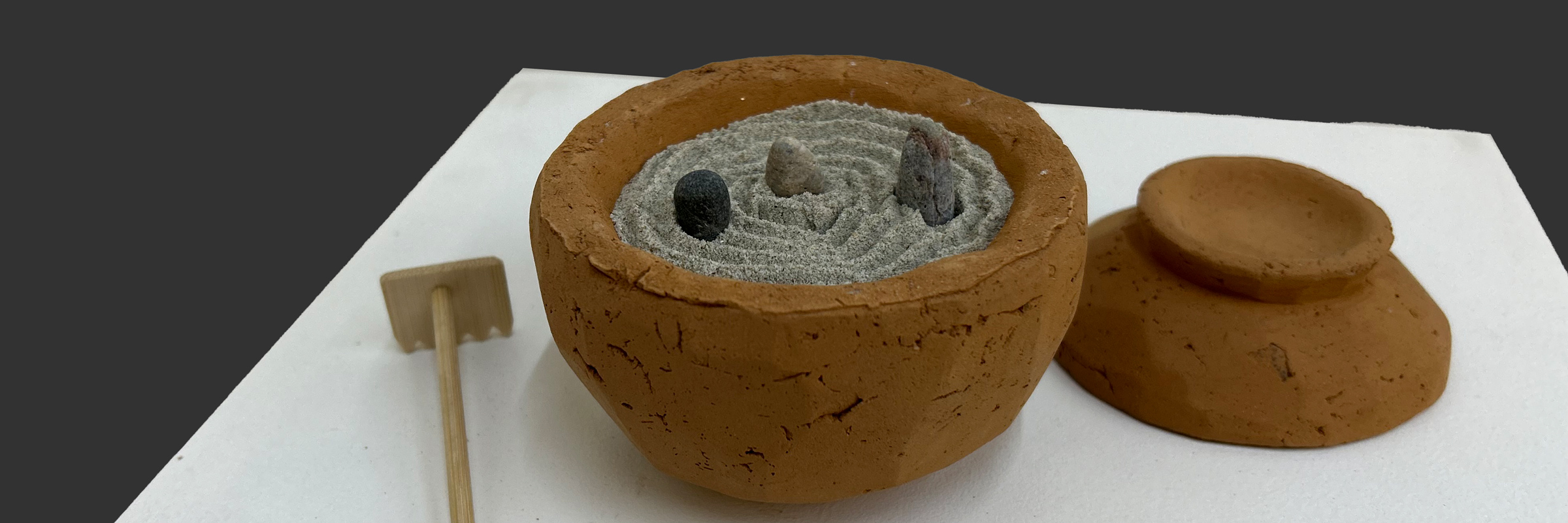 |
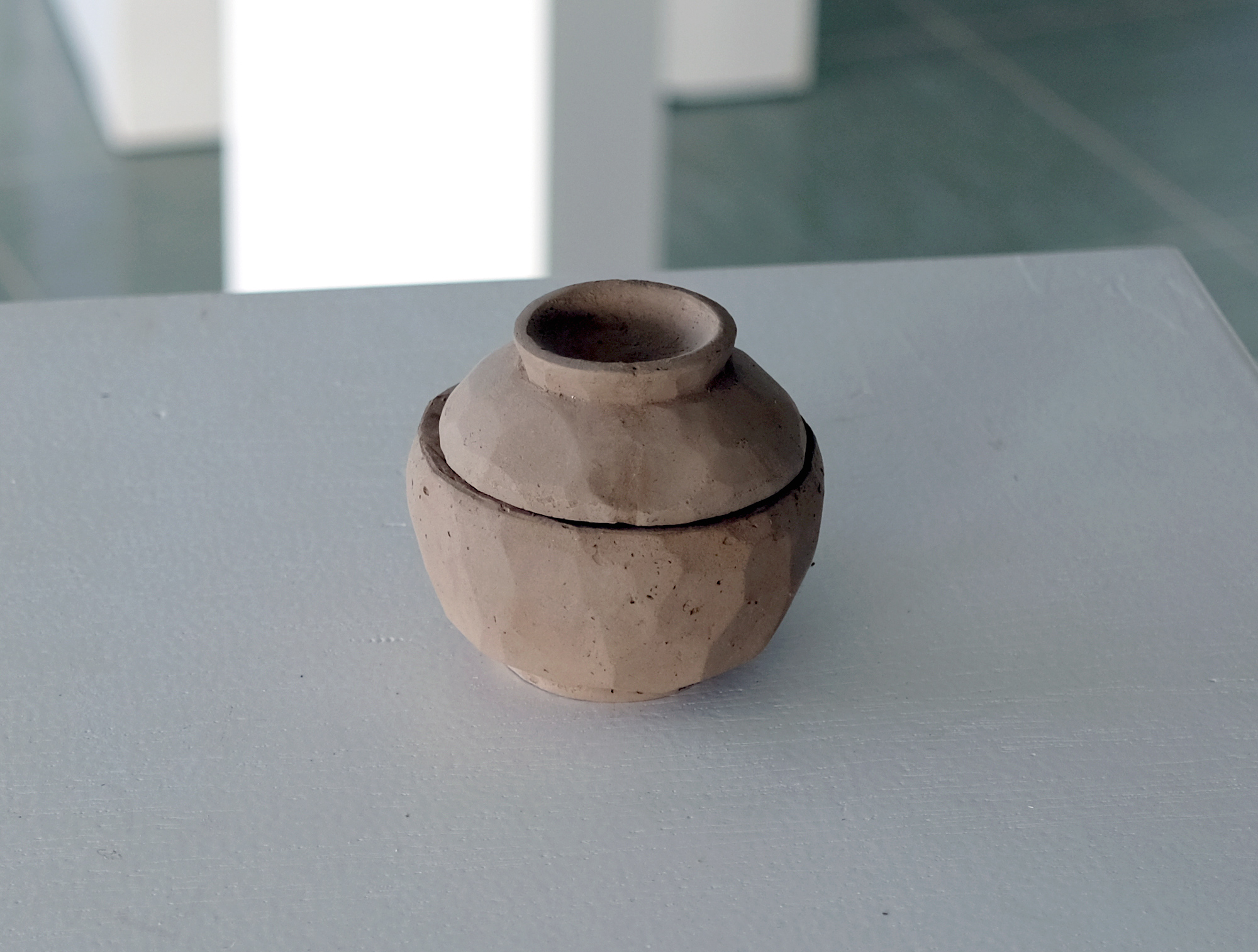
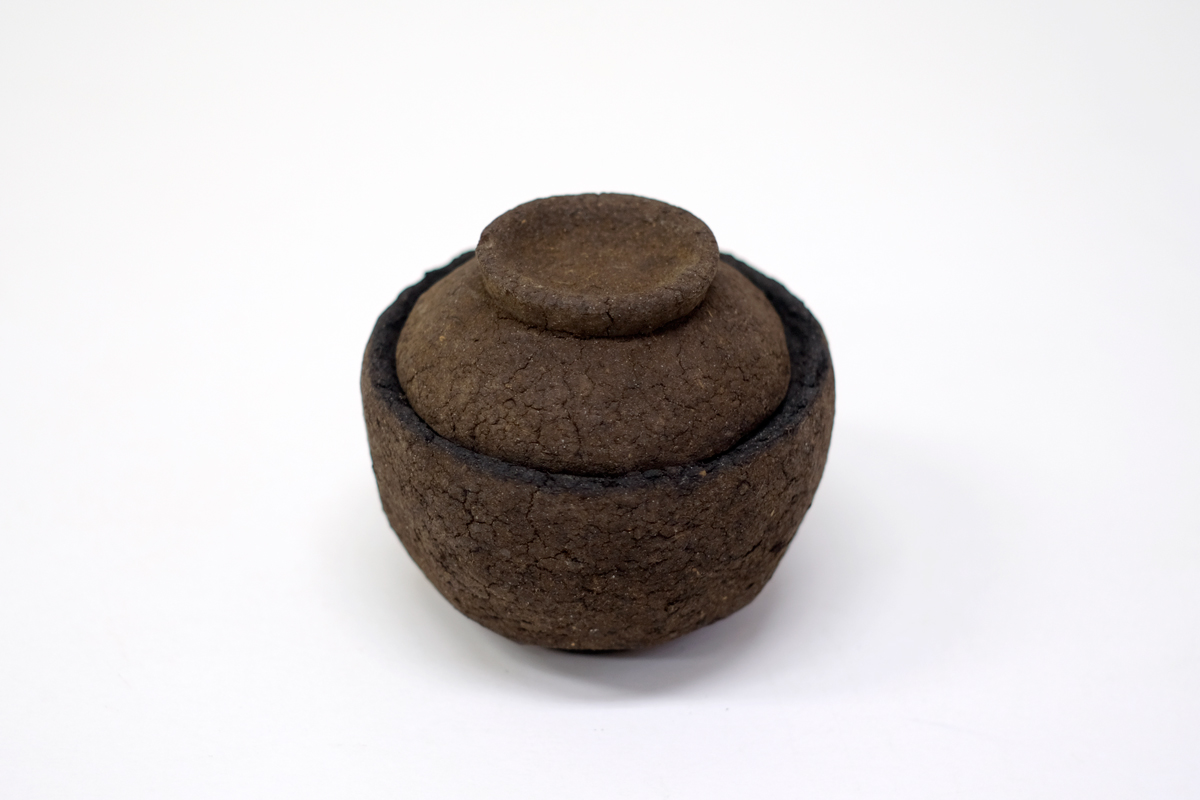
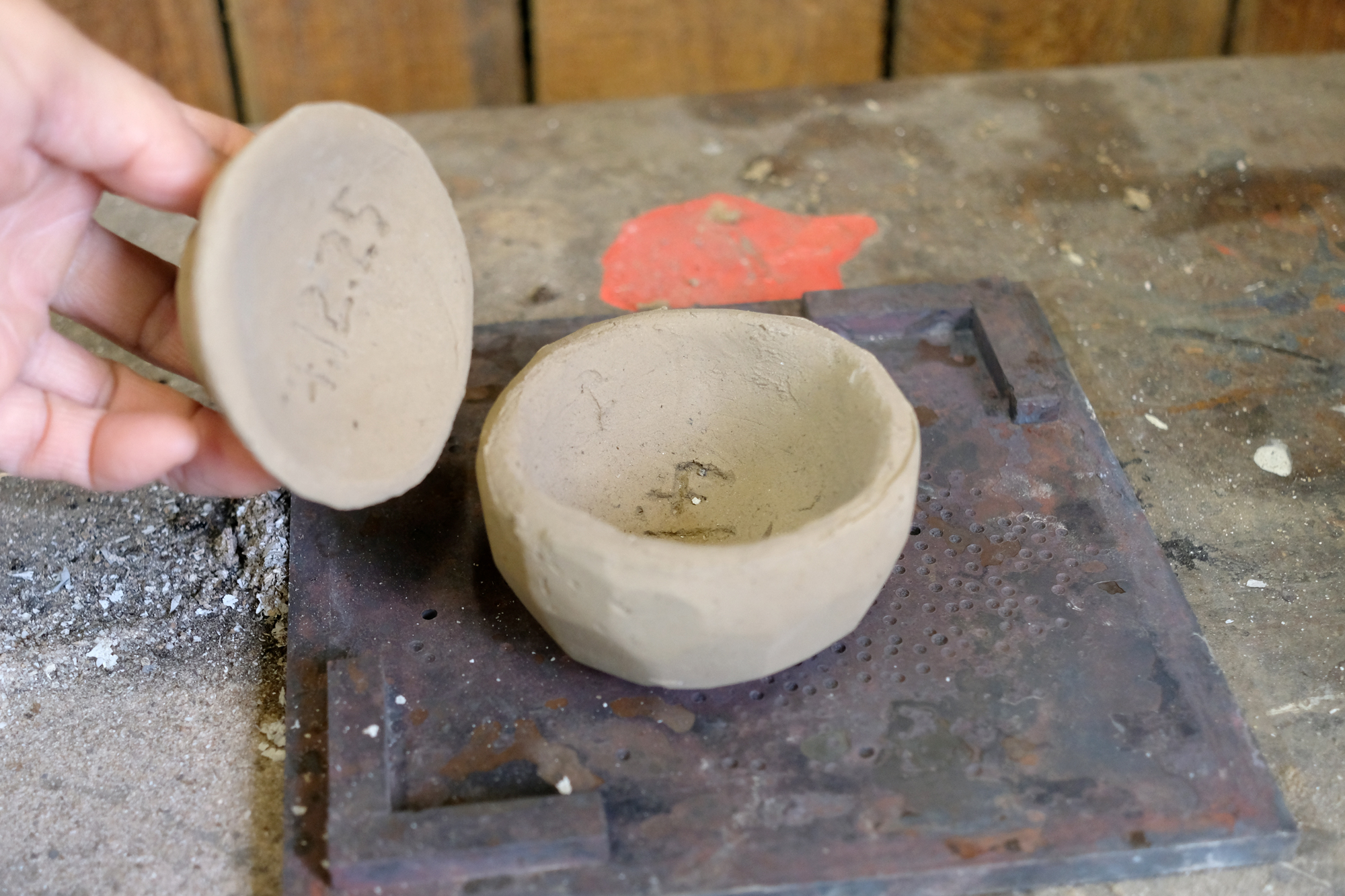
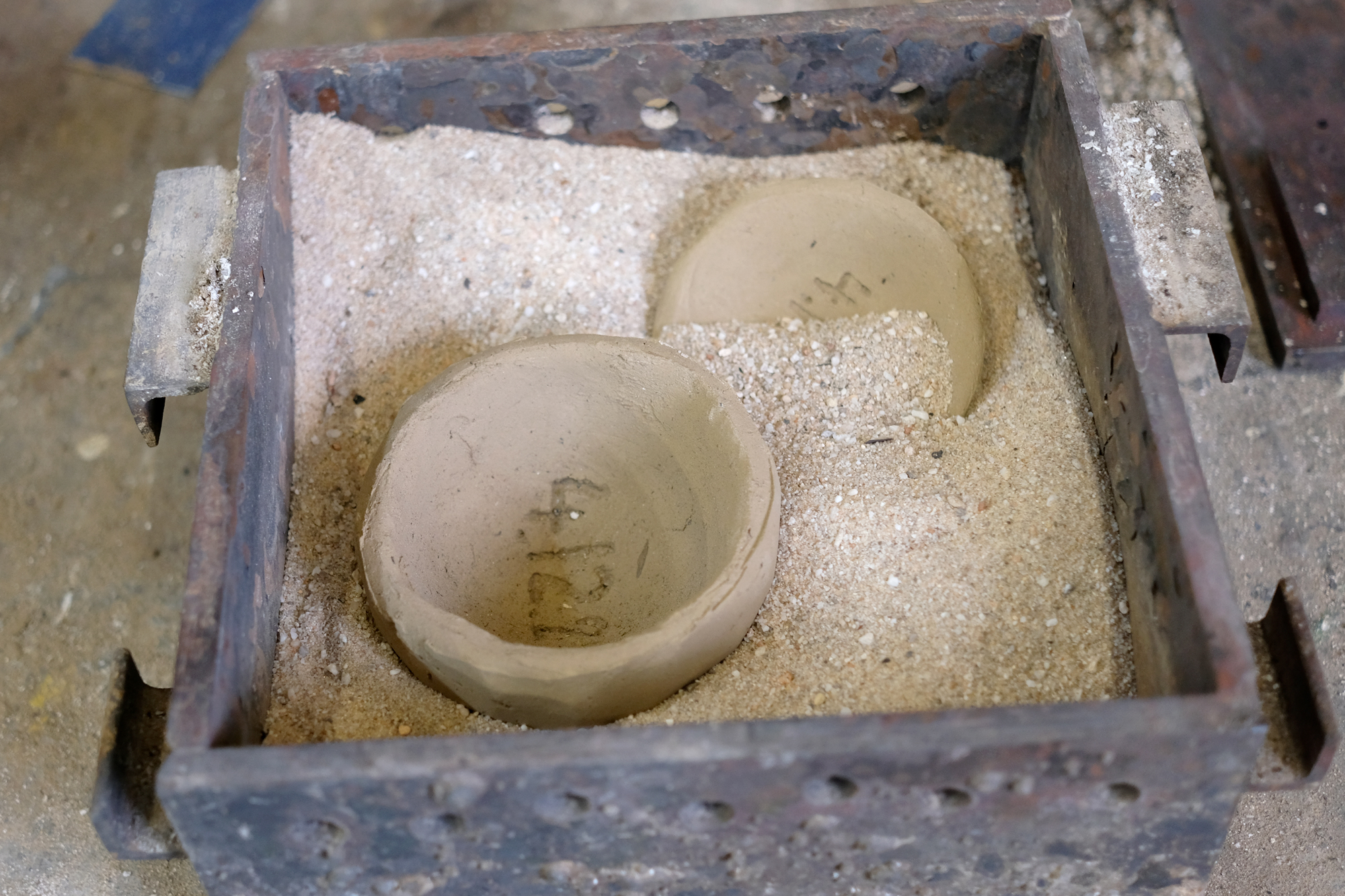
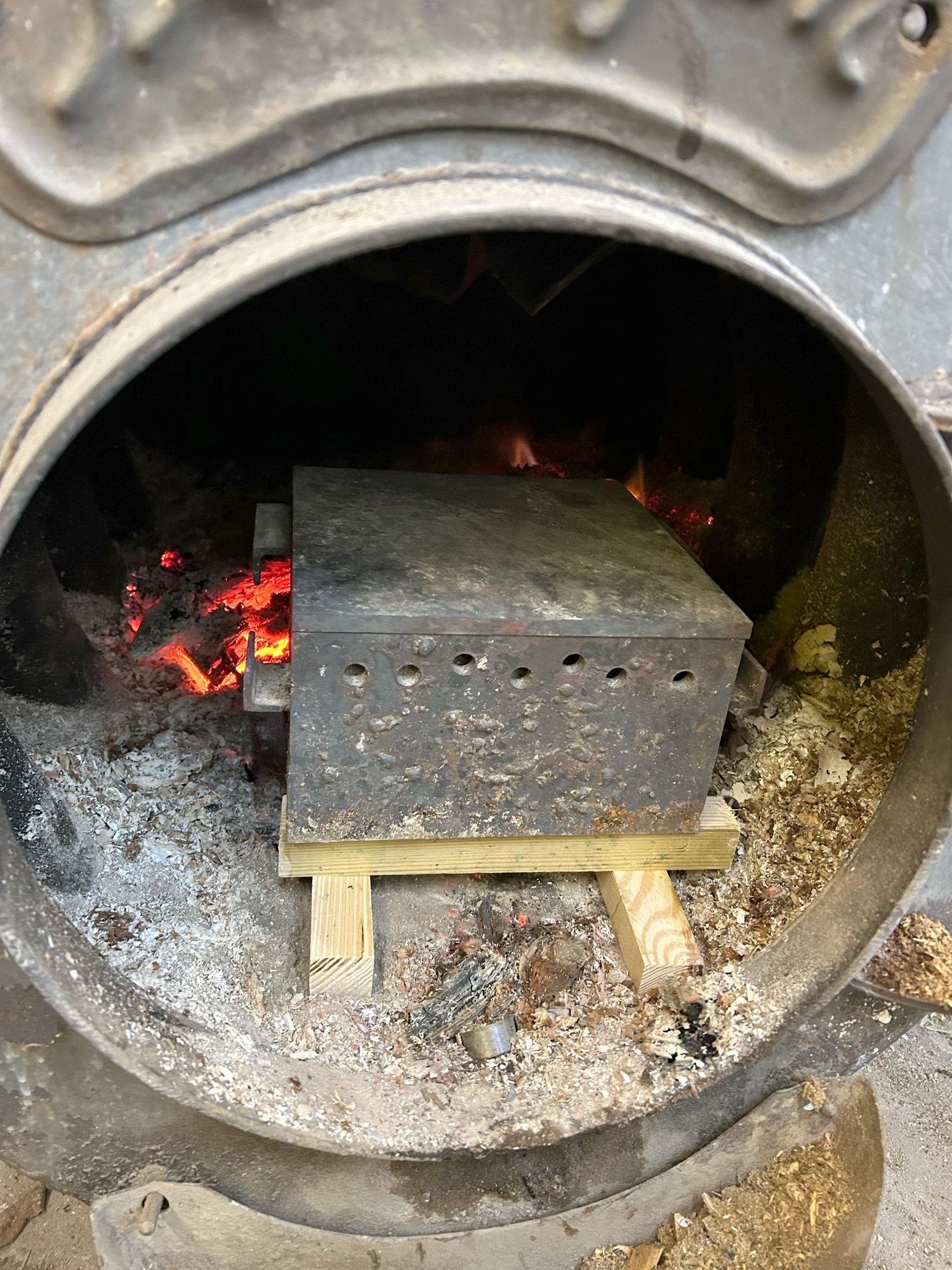
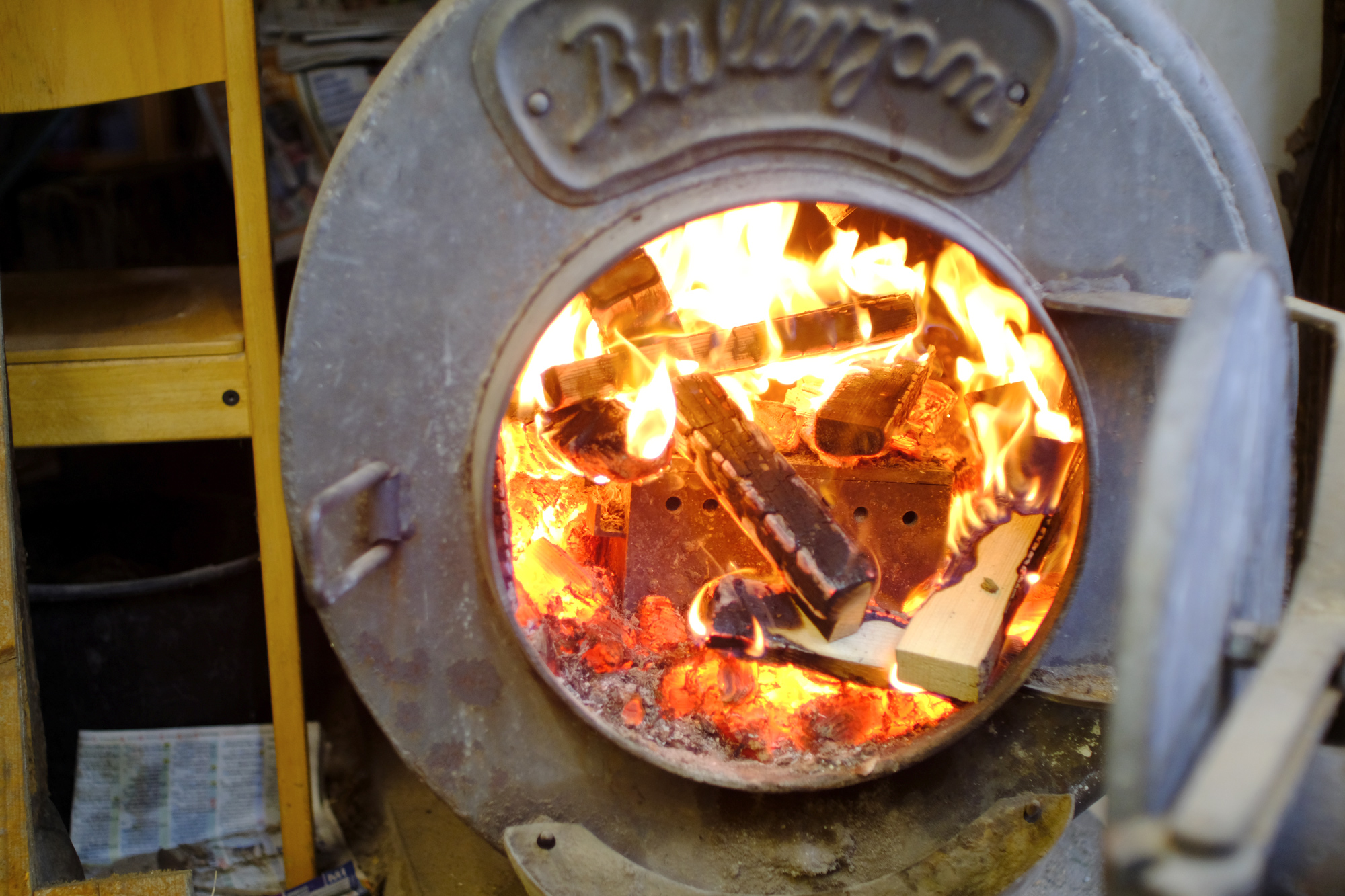
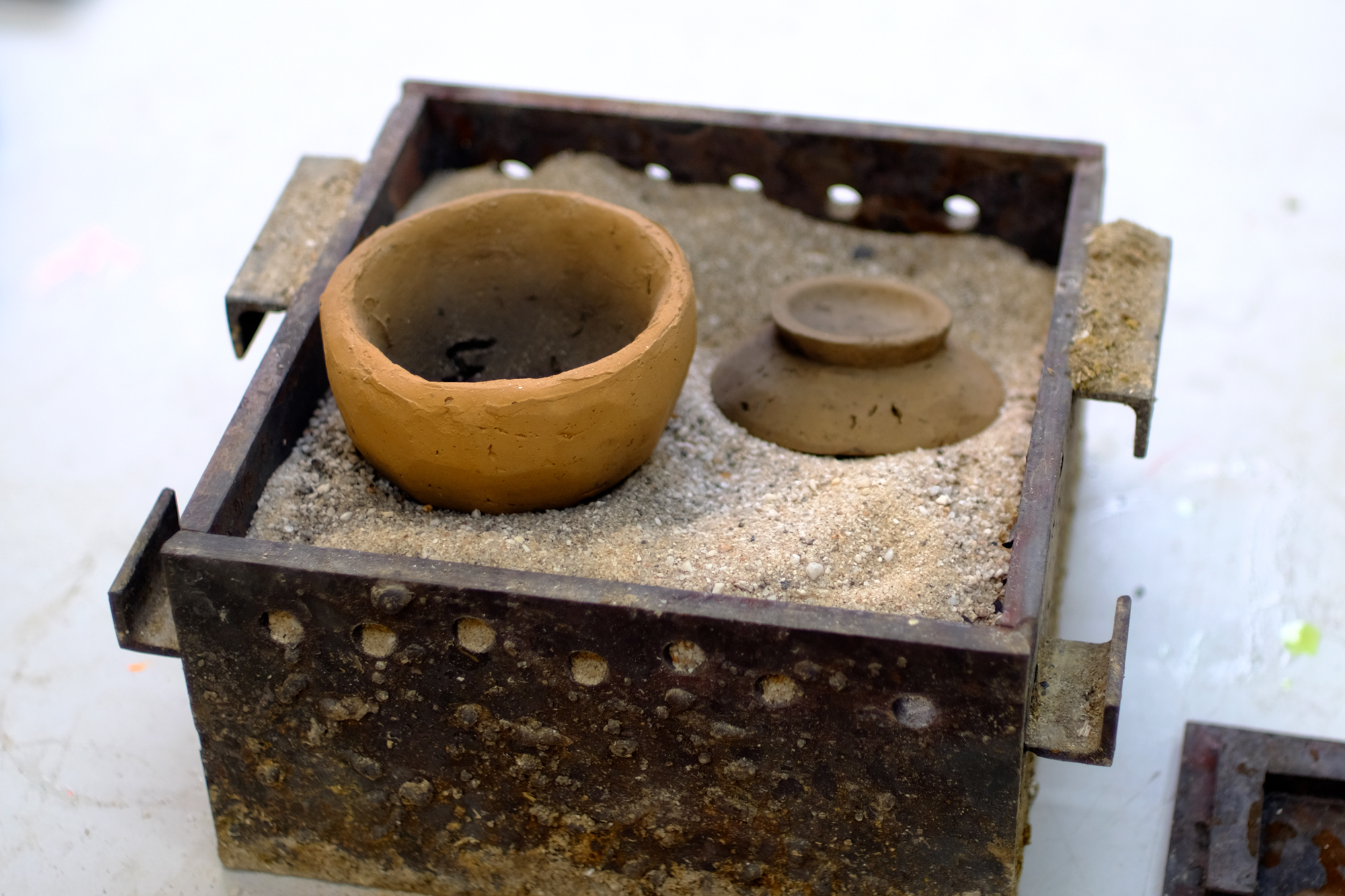
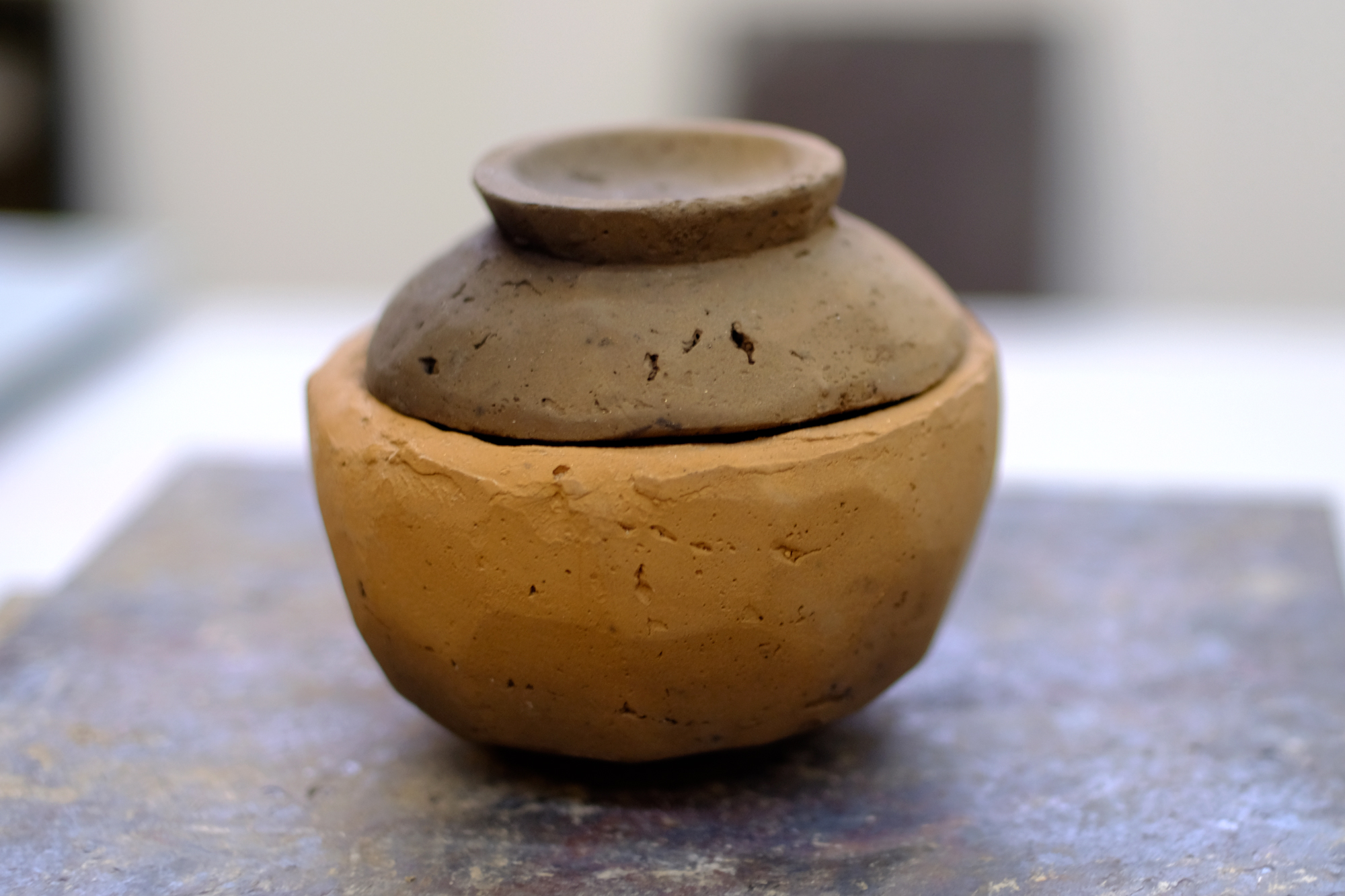
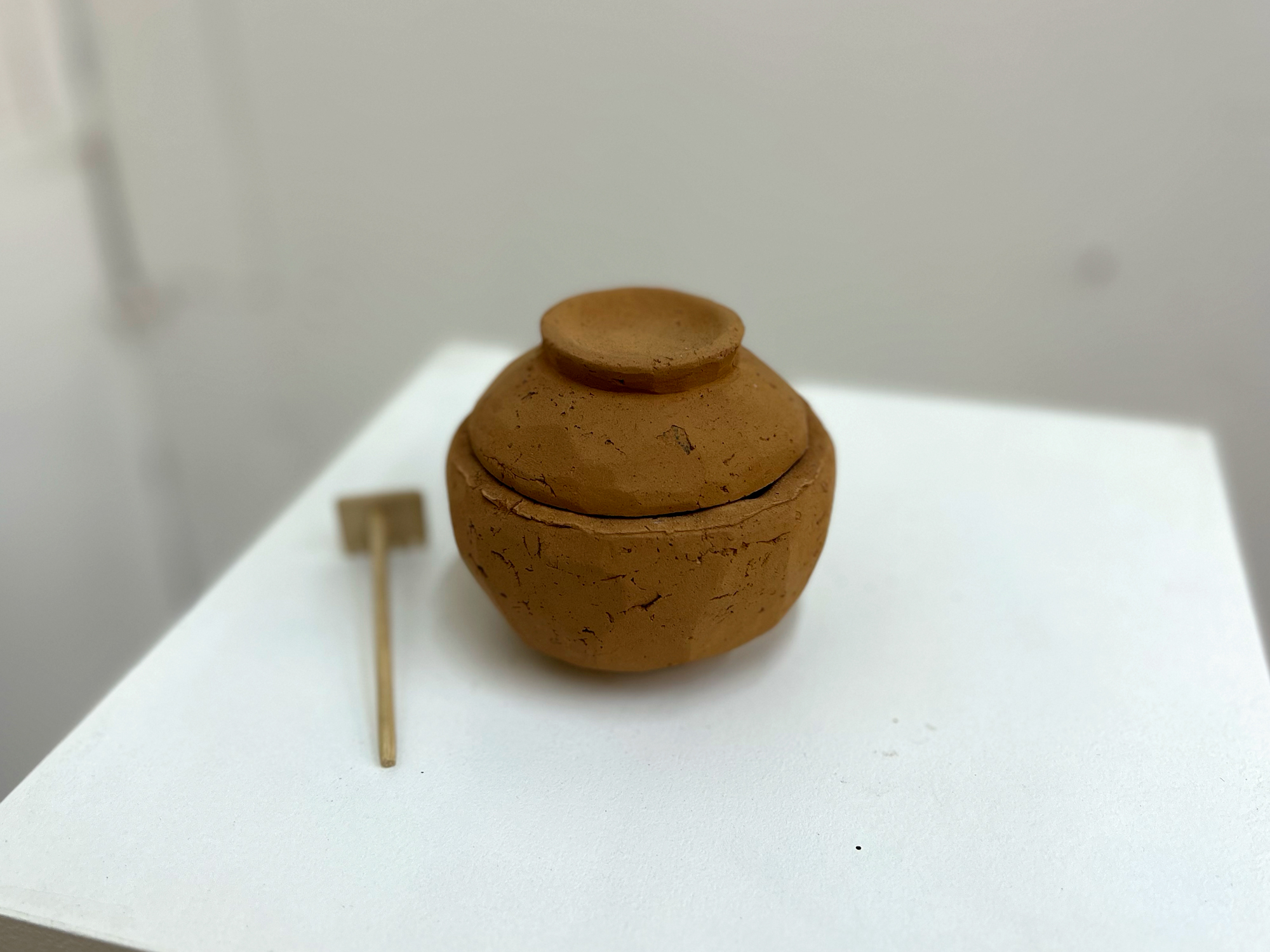
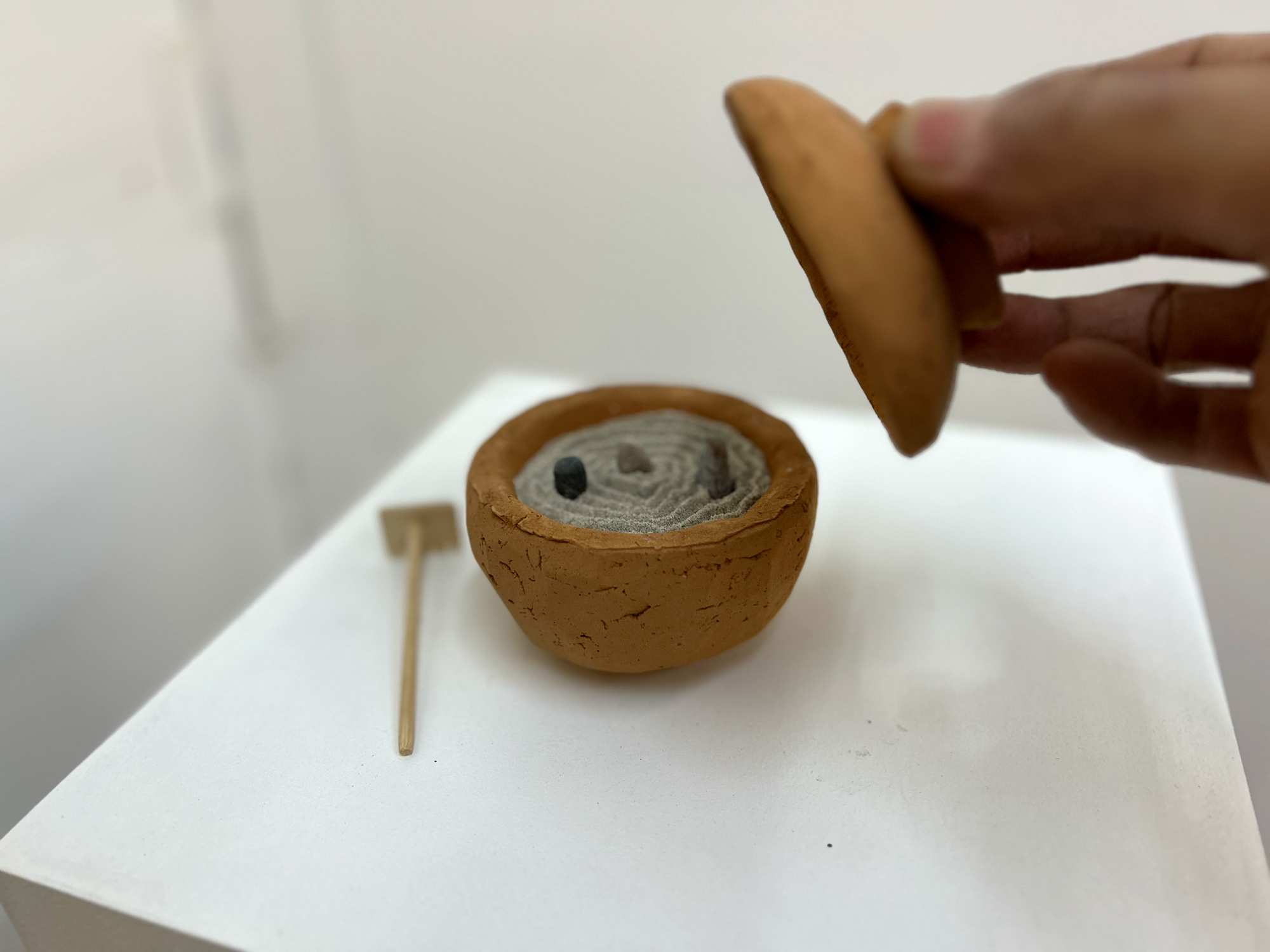
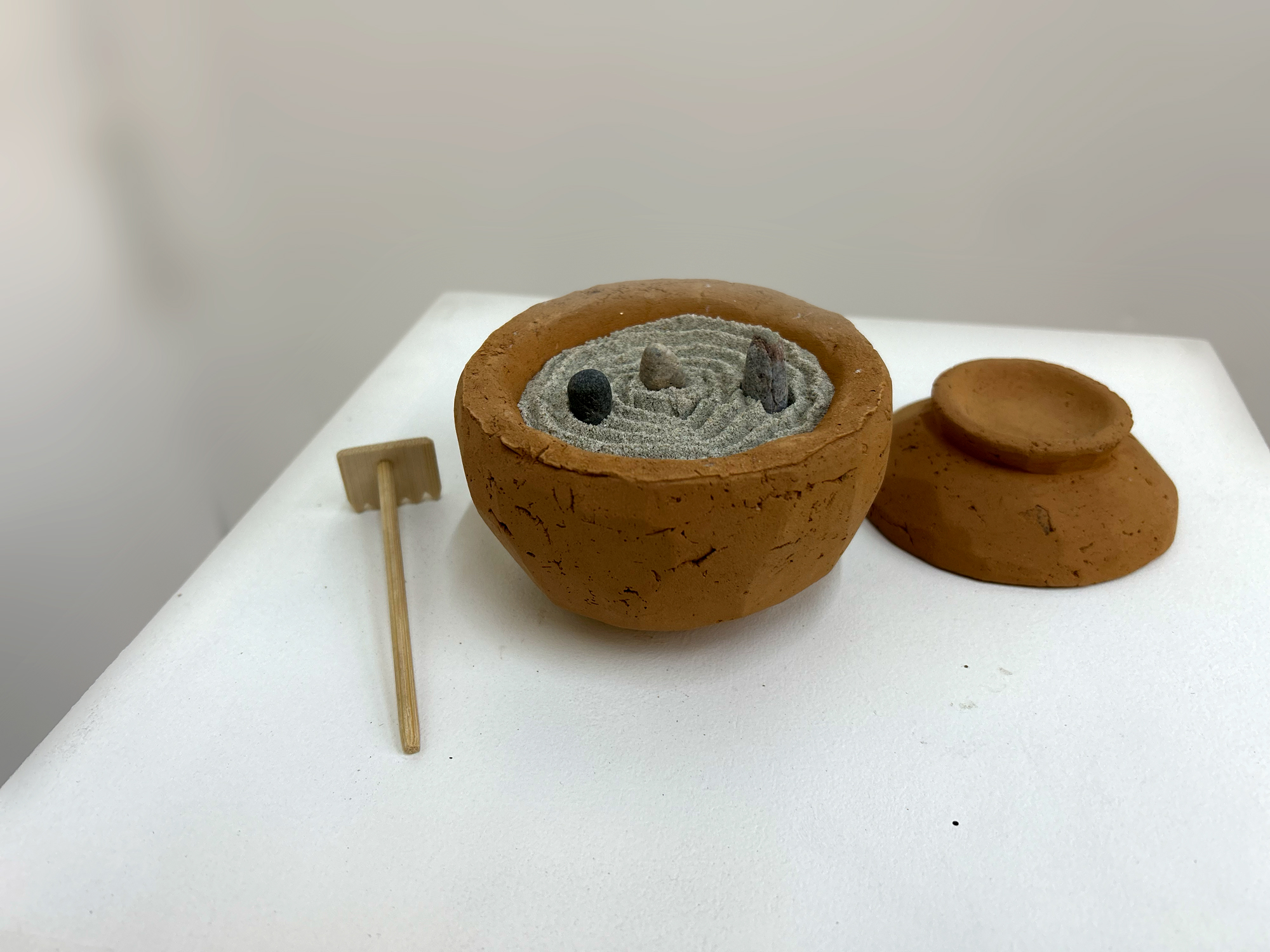
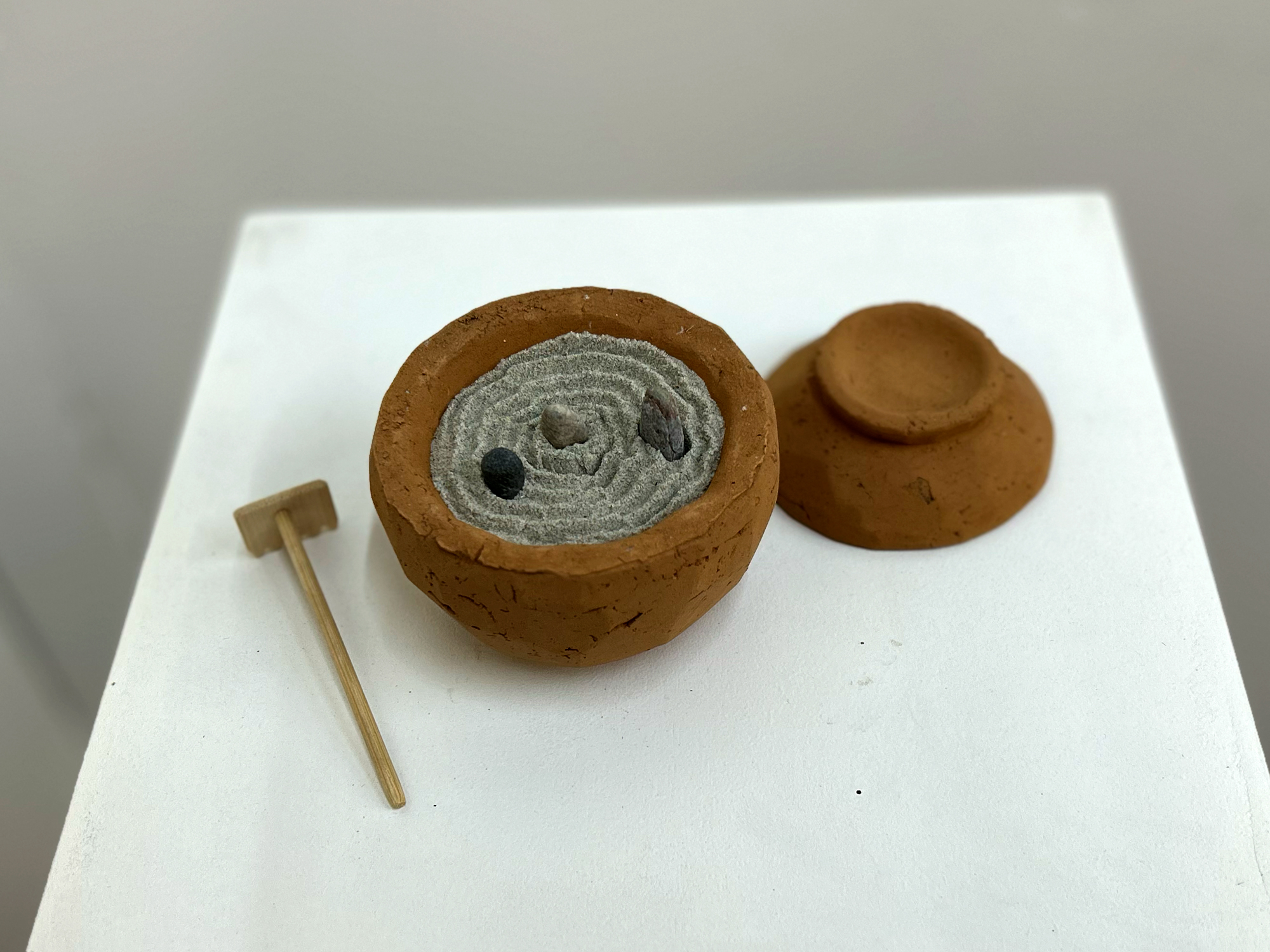
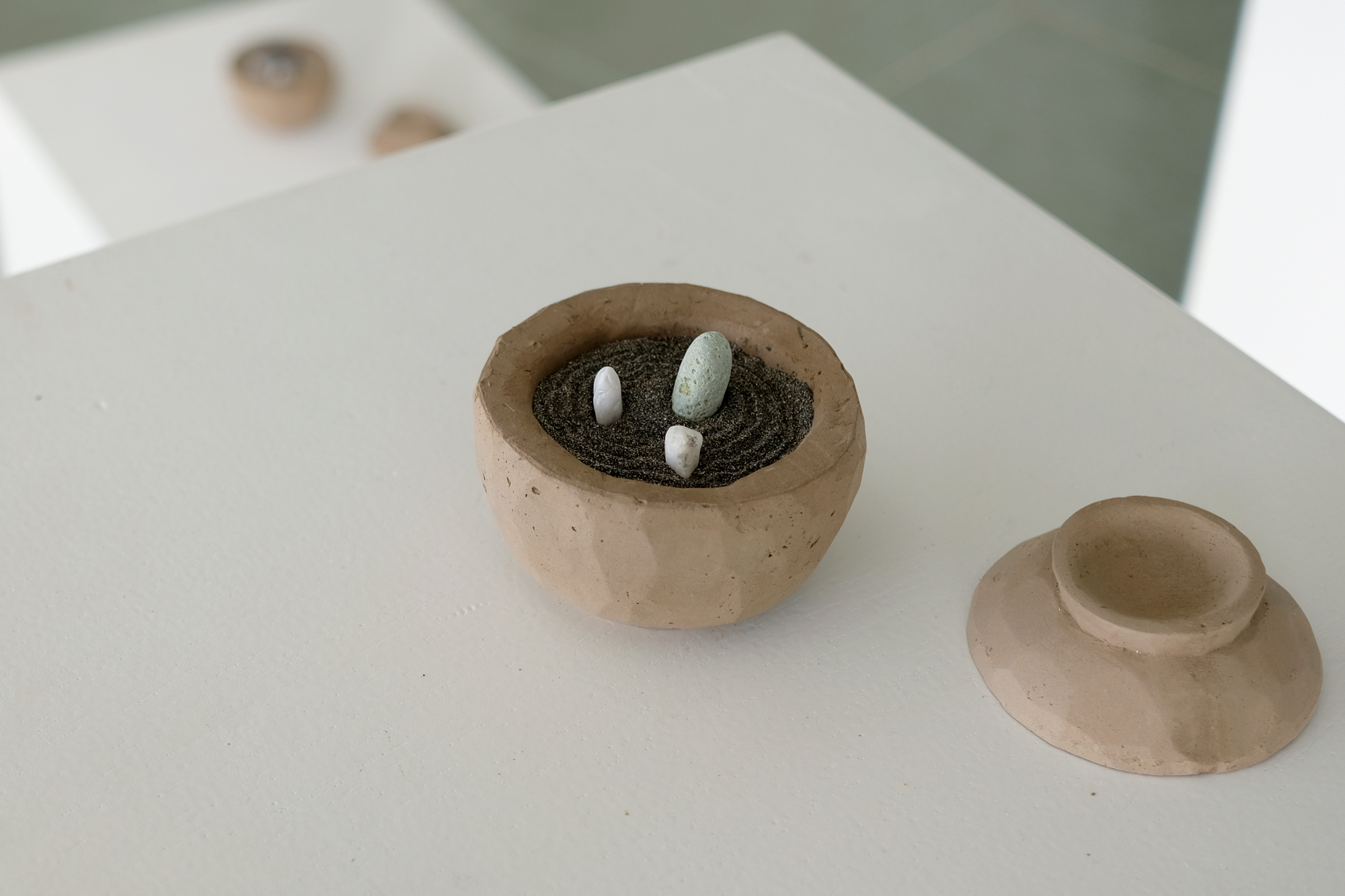
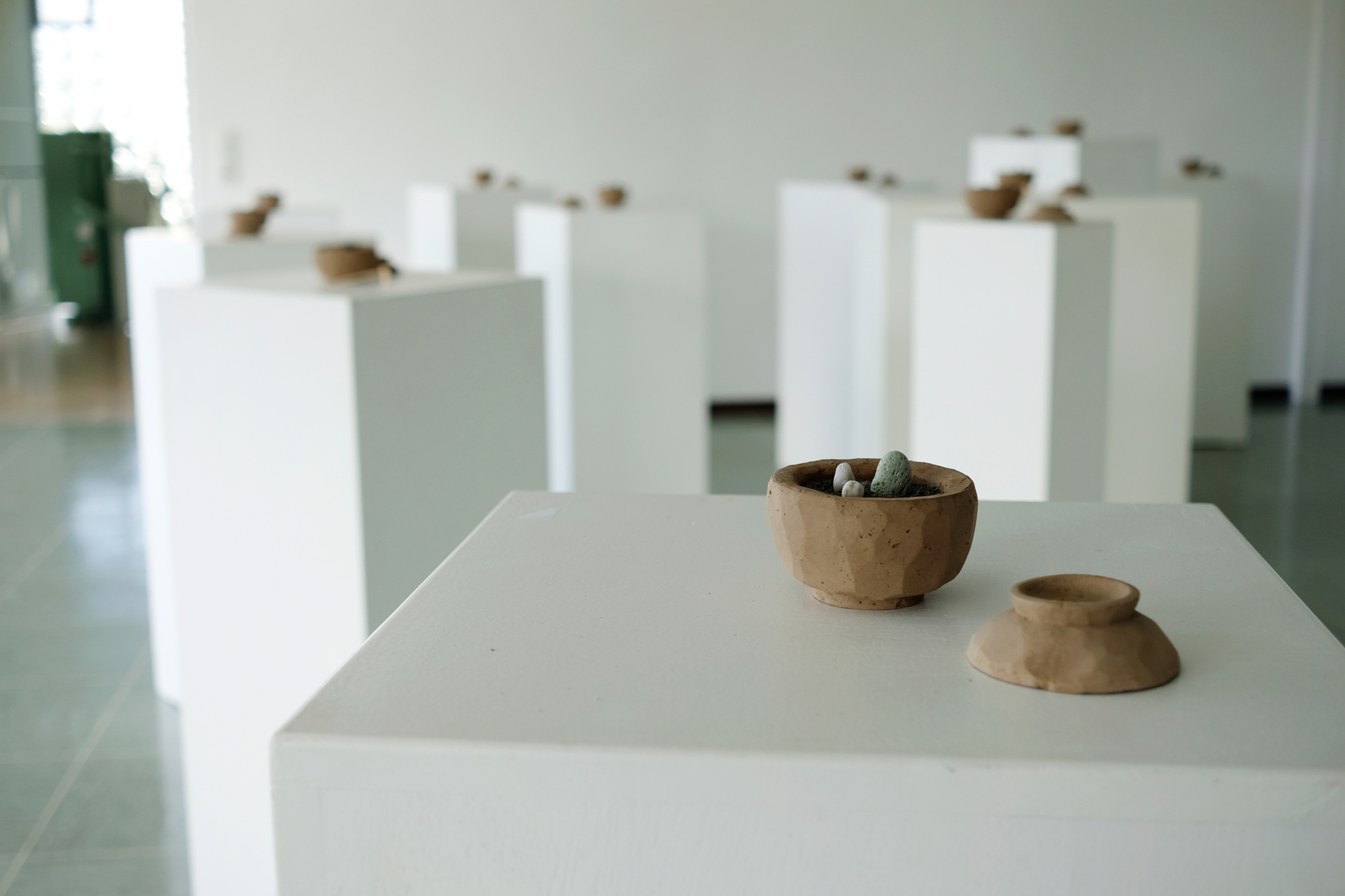
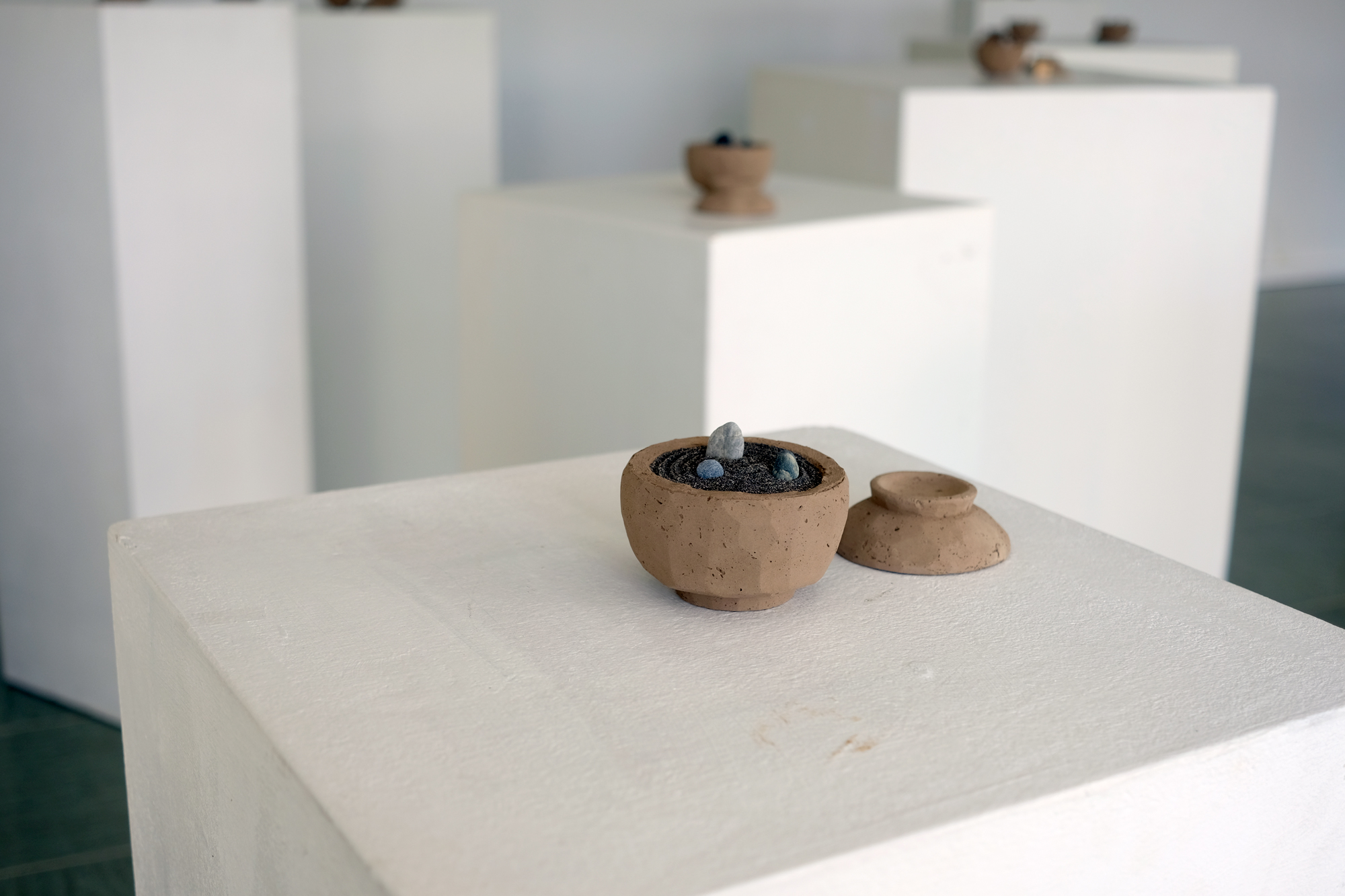
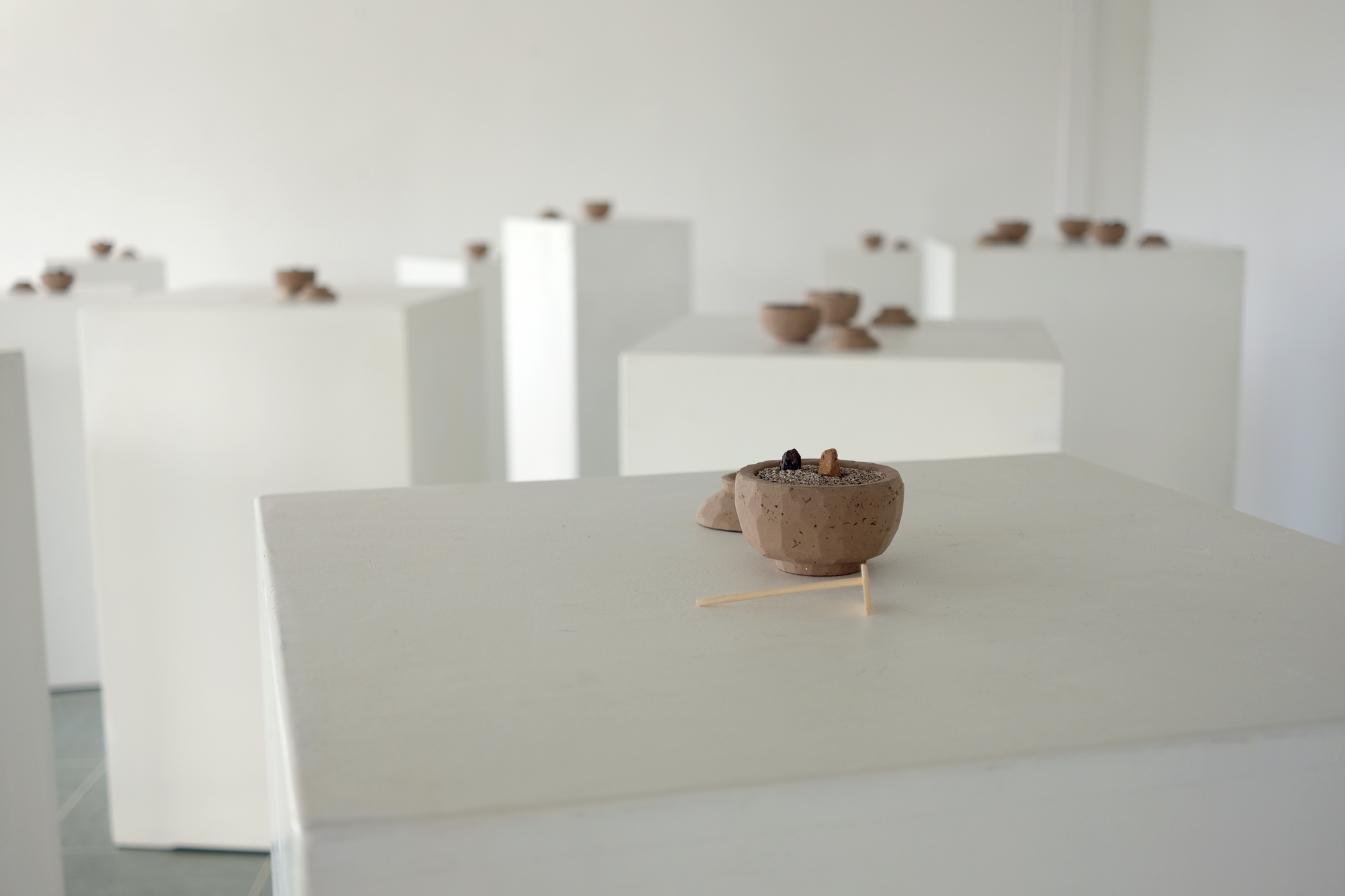
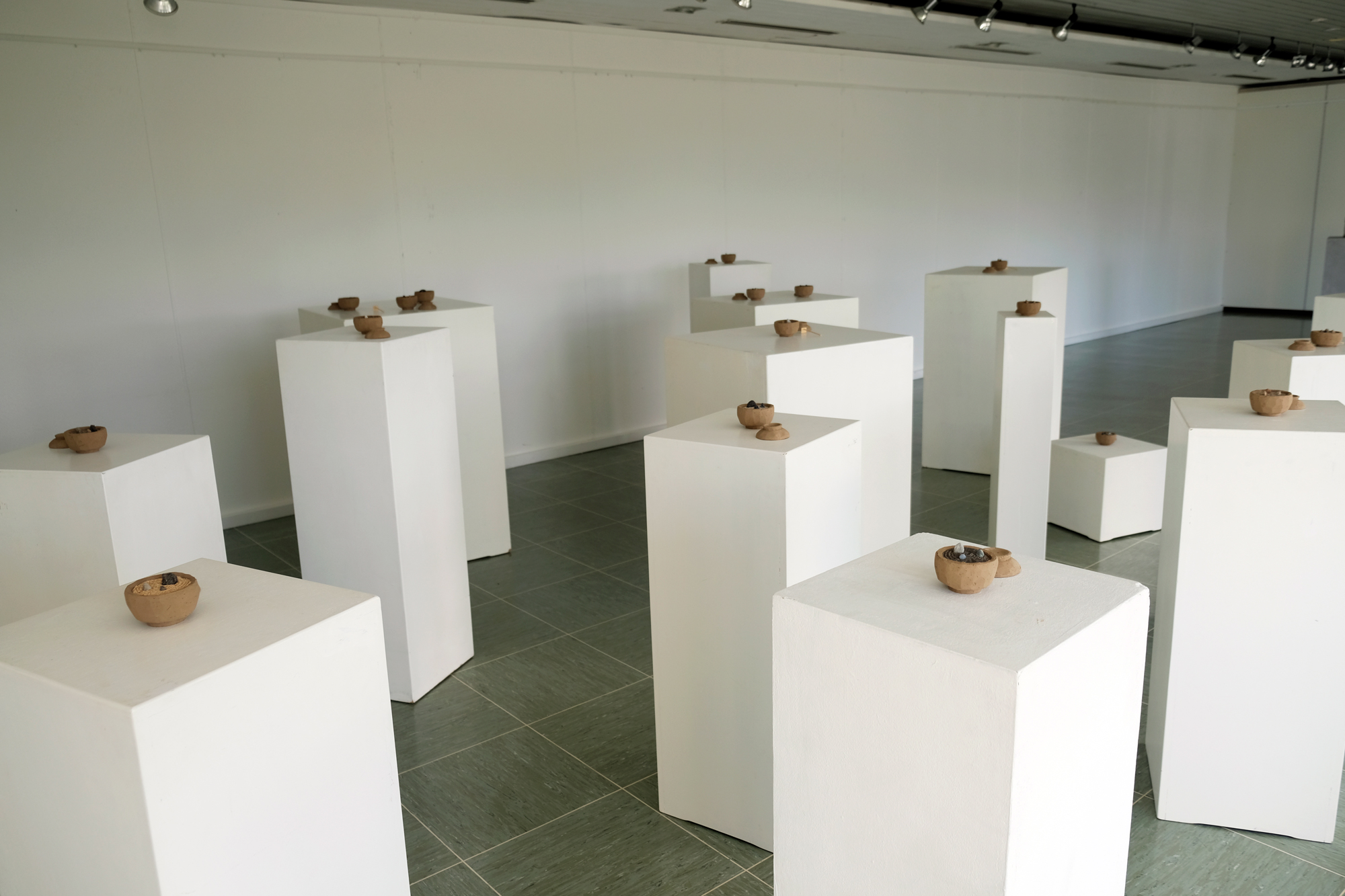
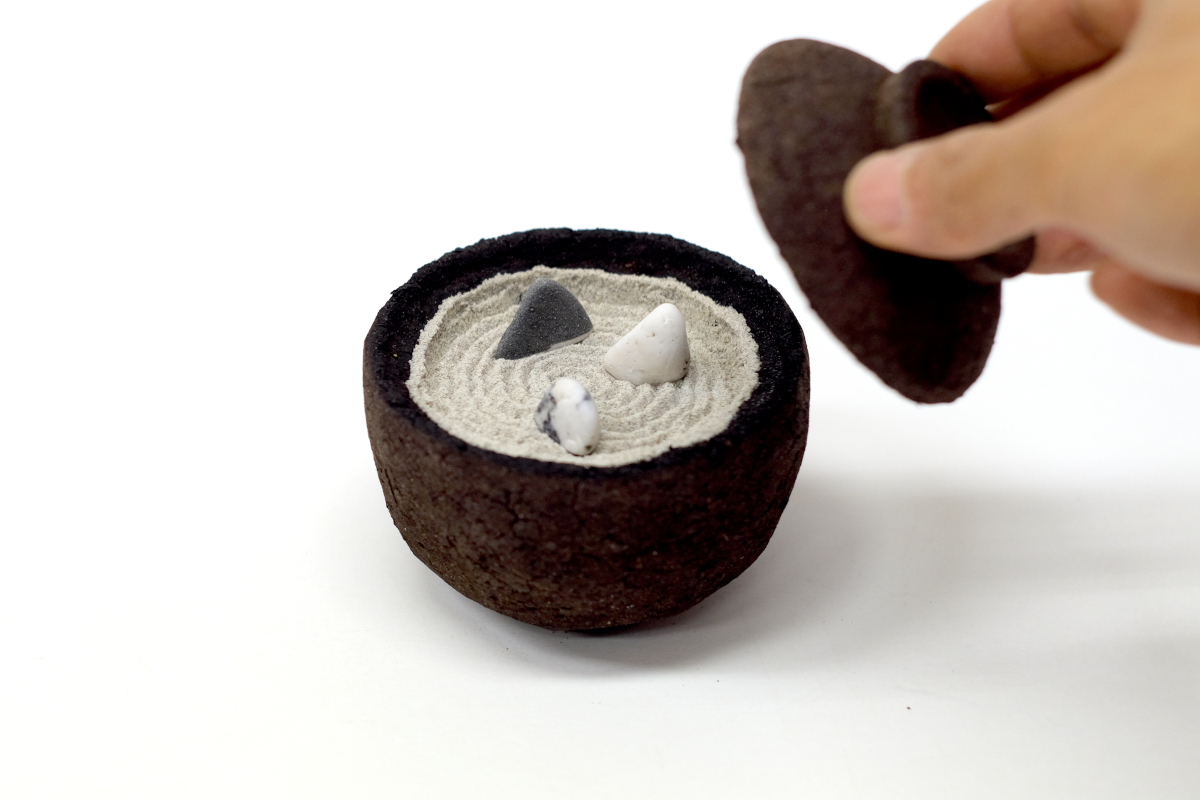
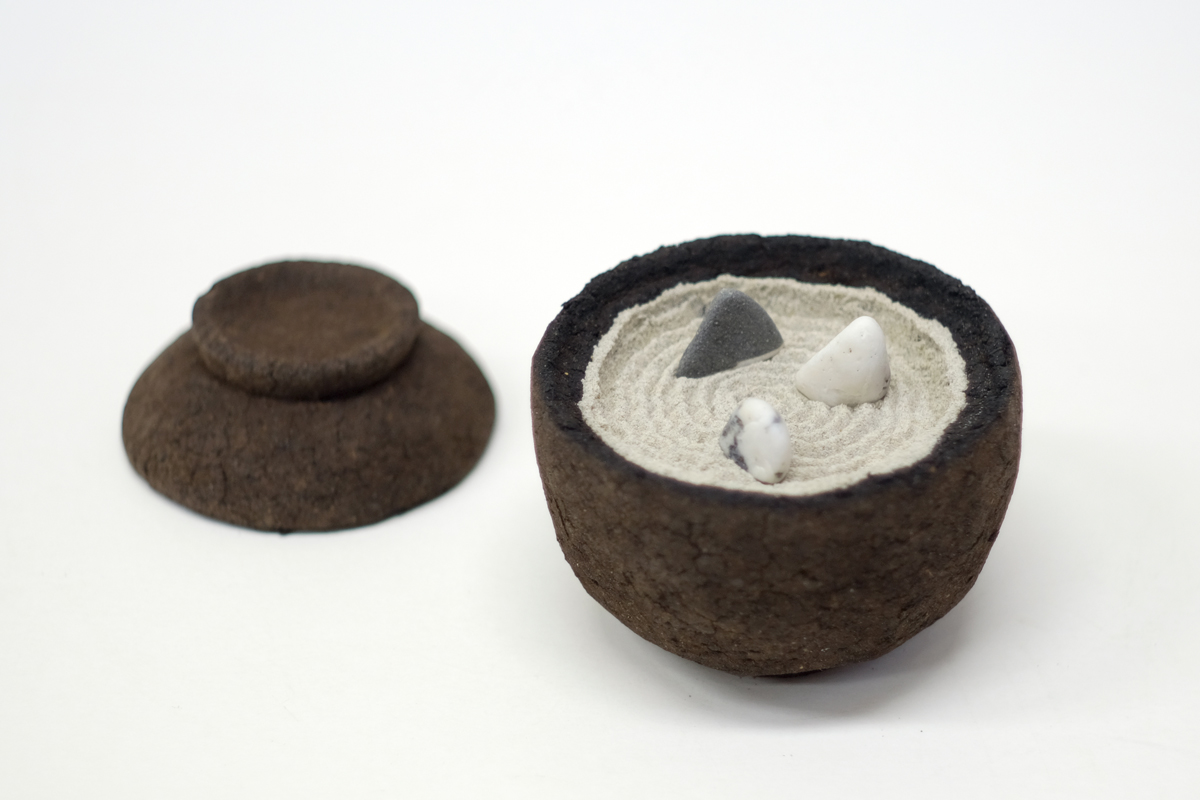
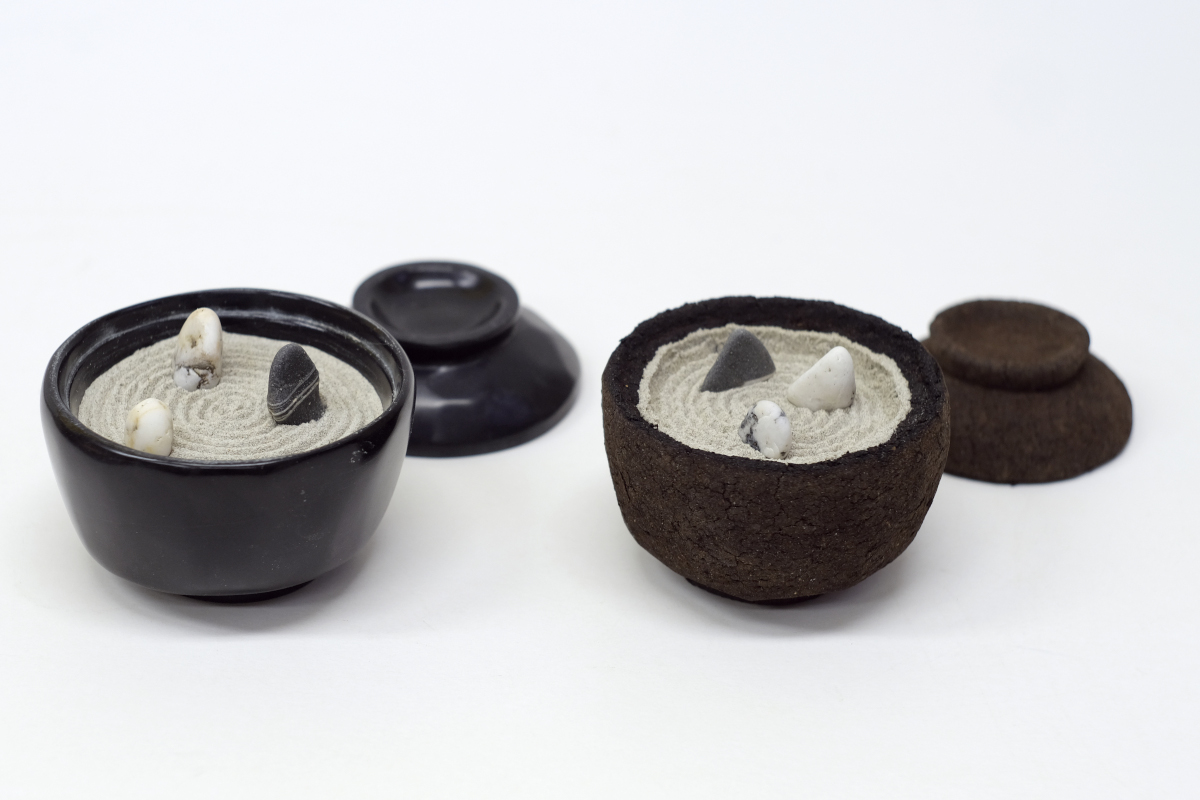
A Bowl of Meditation - Terracotta Frankfurt Field
2026
Terracotta from earth of a Frankfurt Field, sand from sea, stones from Frankfurt
10 x 10 x 10 cm |
|
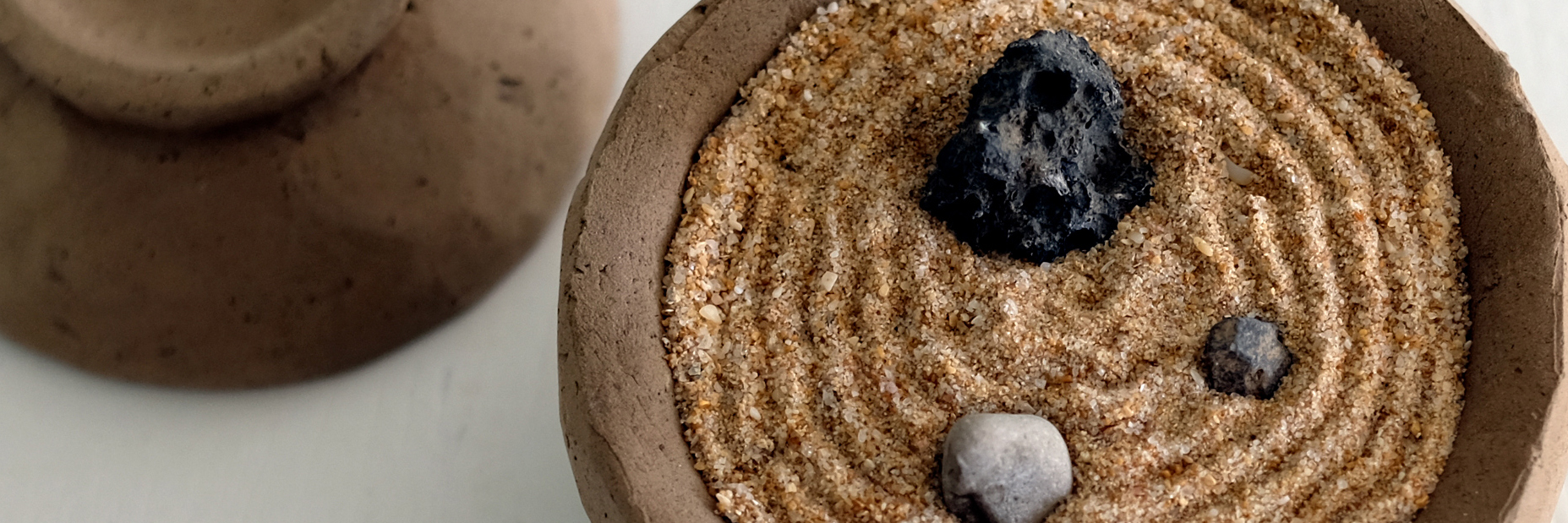 |
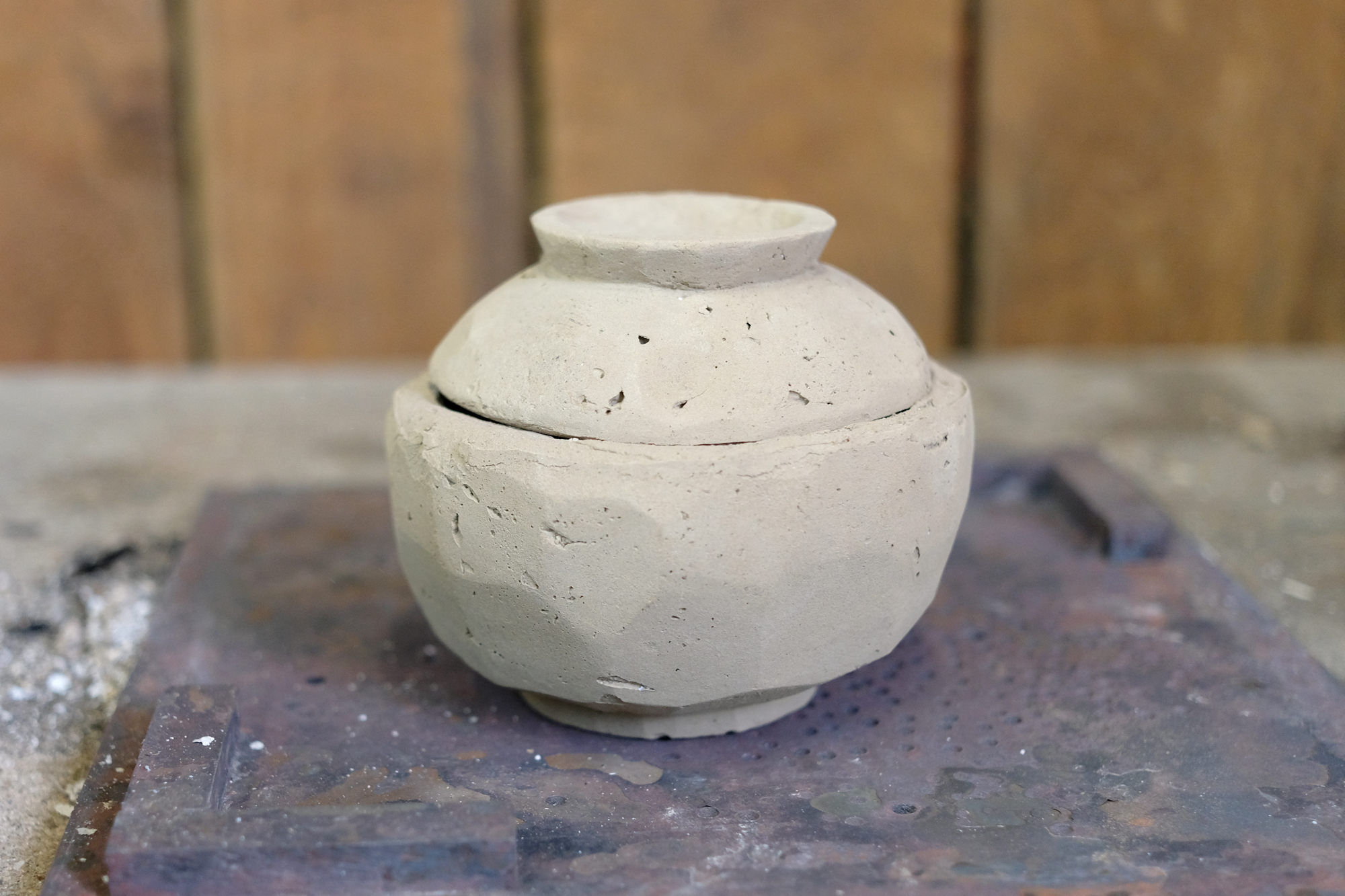
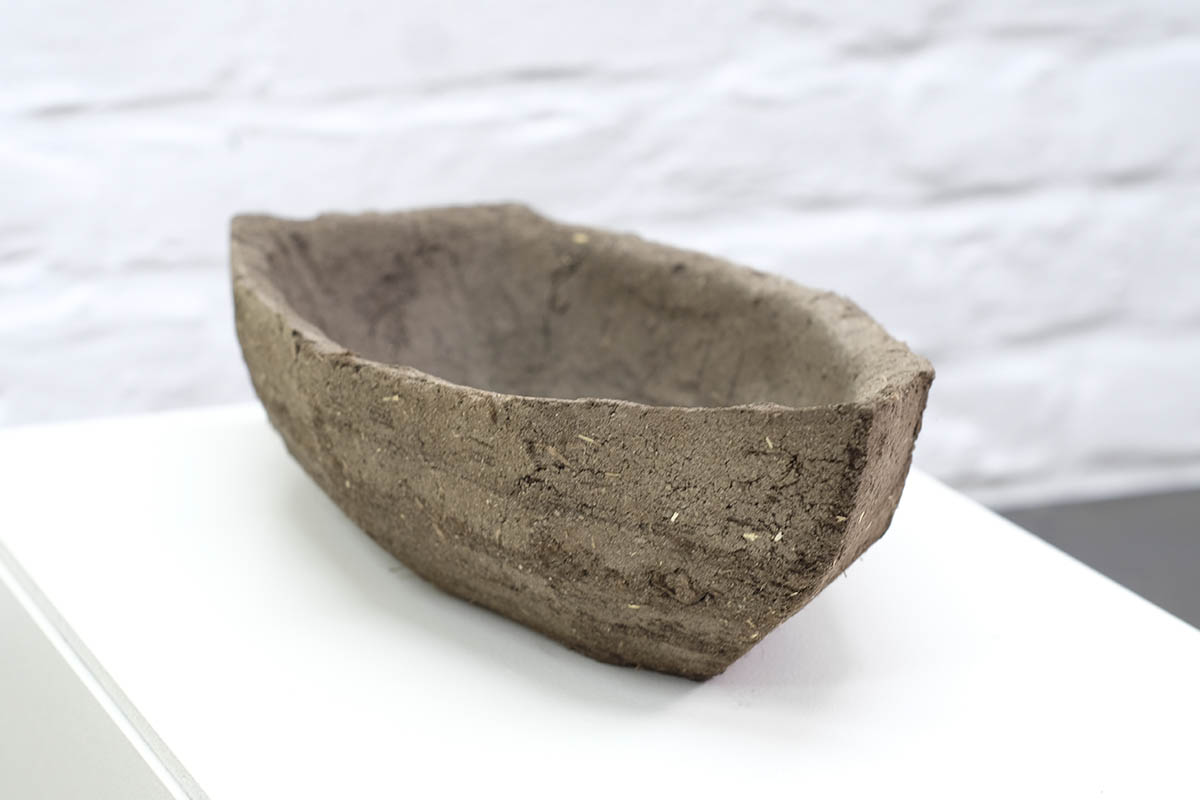
A Bowl of Meditation - Frankfurt Field
2025
Earth of a Frankfurt Field, sand from sea, stone from Frankfurt
10 x 10 x 10 cm |
|
|
Works with Lignin
|
What is Lignin
Lignin is one of a material, wich I use for this project.
Answer by AI
Lignin is a complex organic polymer found in the cell walls of plants, especially in wood and bark. It is one of the three main components of wood:
- Cellulose – provides tensile strength.
- Hemicellulose – binds the fibers together.
- Lignin – acts like a natural glue, giving plants rigidity, waterproofing, and resistance to decay.
Lignin makes up about 20–30% of wood by weight.
During paper production, the goal is usually to extract cellulose fibers, so much of the lignin is separated from the wood. Historically, this lignin was often burned as a low-value fuel or discarded. Today, however, researchers and industry are finding many higher-value uses for it, including:
- Bioplastics and biodegradable materials
- Adhesives and resins
- Carbon fibers
- Batteries and energy storage materials
- Soil conditioners and fertilizers
- Concrete additives
- Renewable fuels and chemicals that could replace some petroleum-derived products
Because lignin is one of the most abundant renewable sources of aromatic carbon on Earth, it has become an important focus of sustainable materials research. Although it has not yet replaced petroleum on a large scale, it is considered a promising bio-based feedstock for future chemicals and materials. |
|
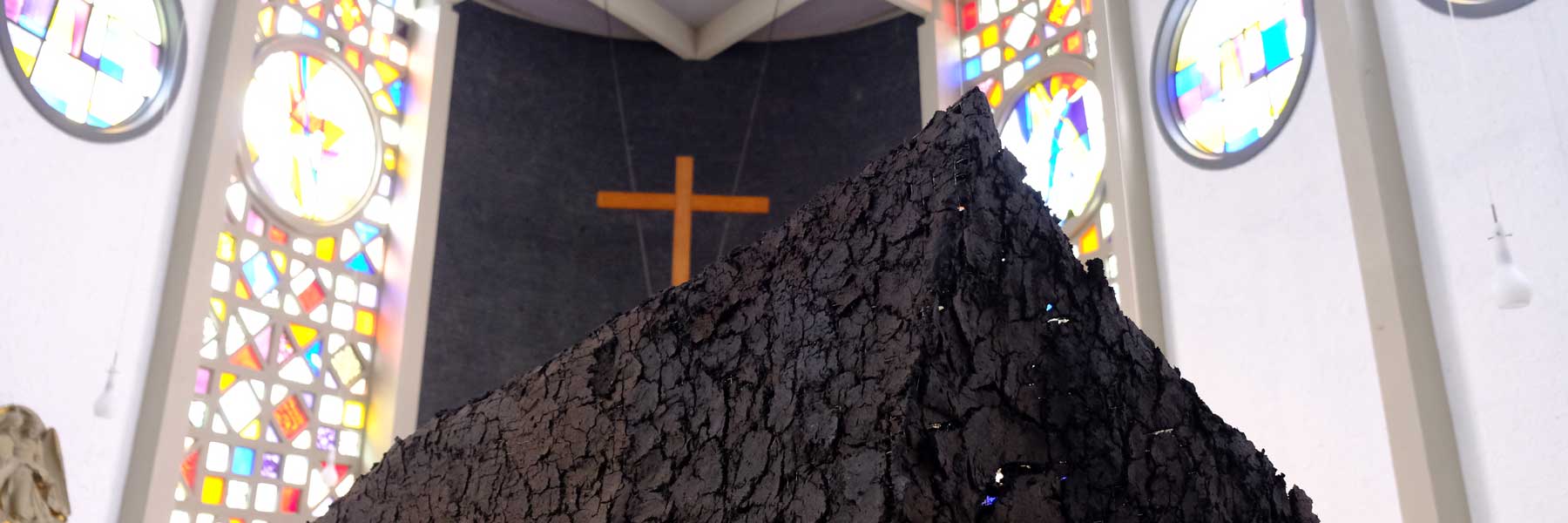 |
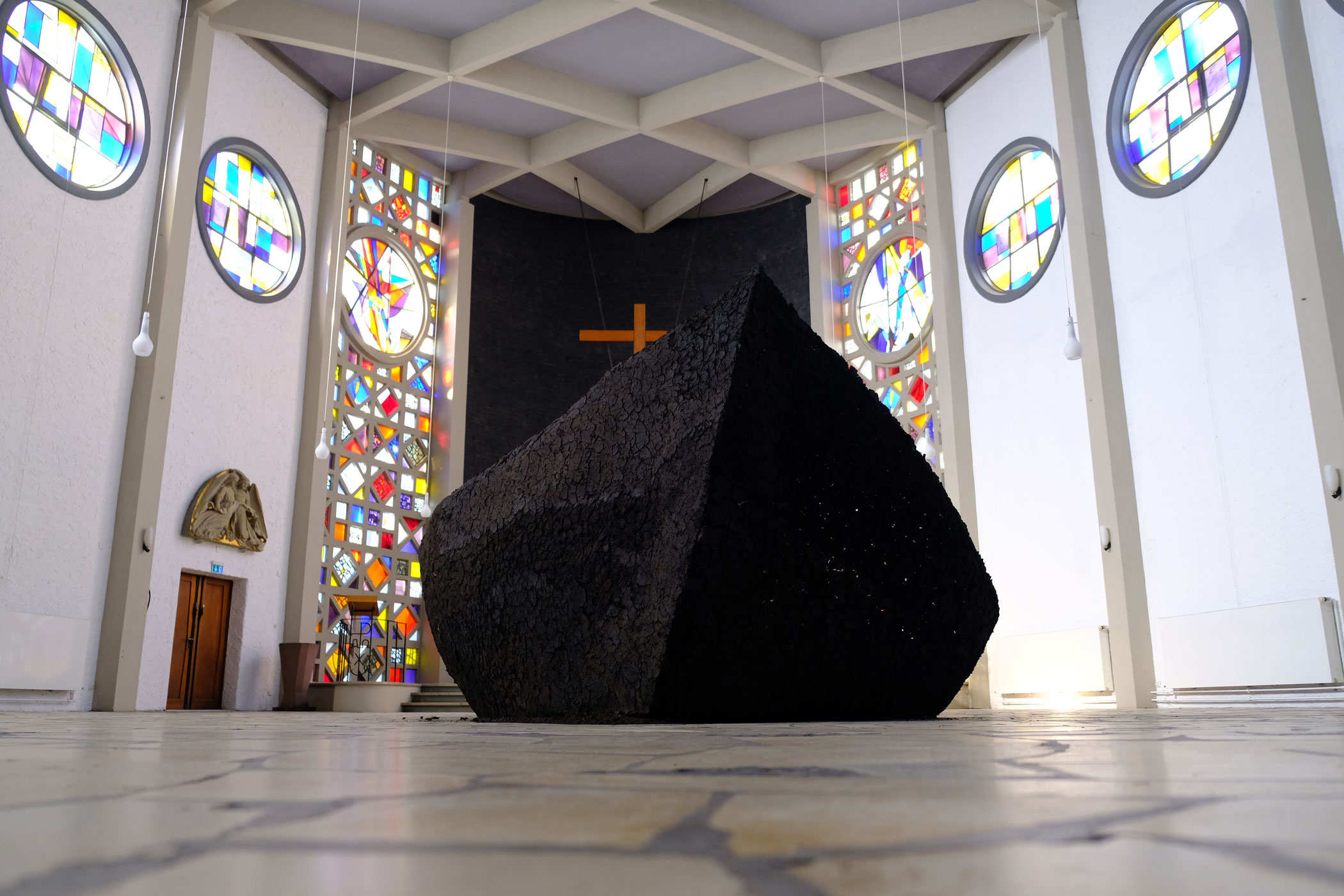
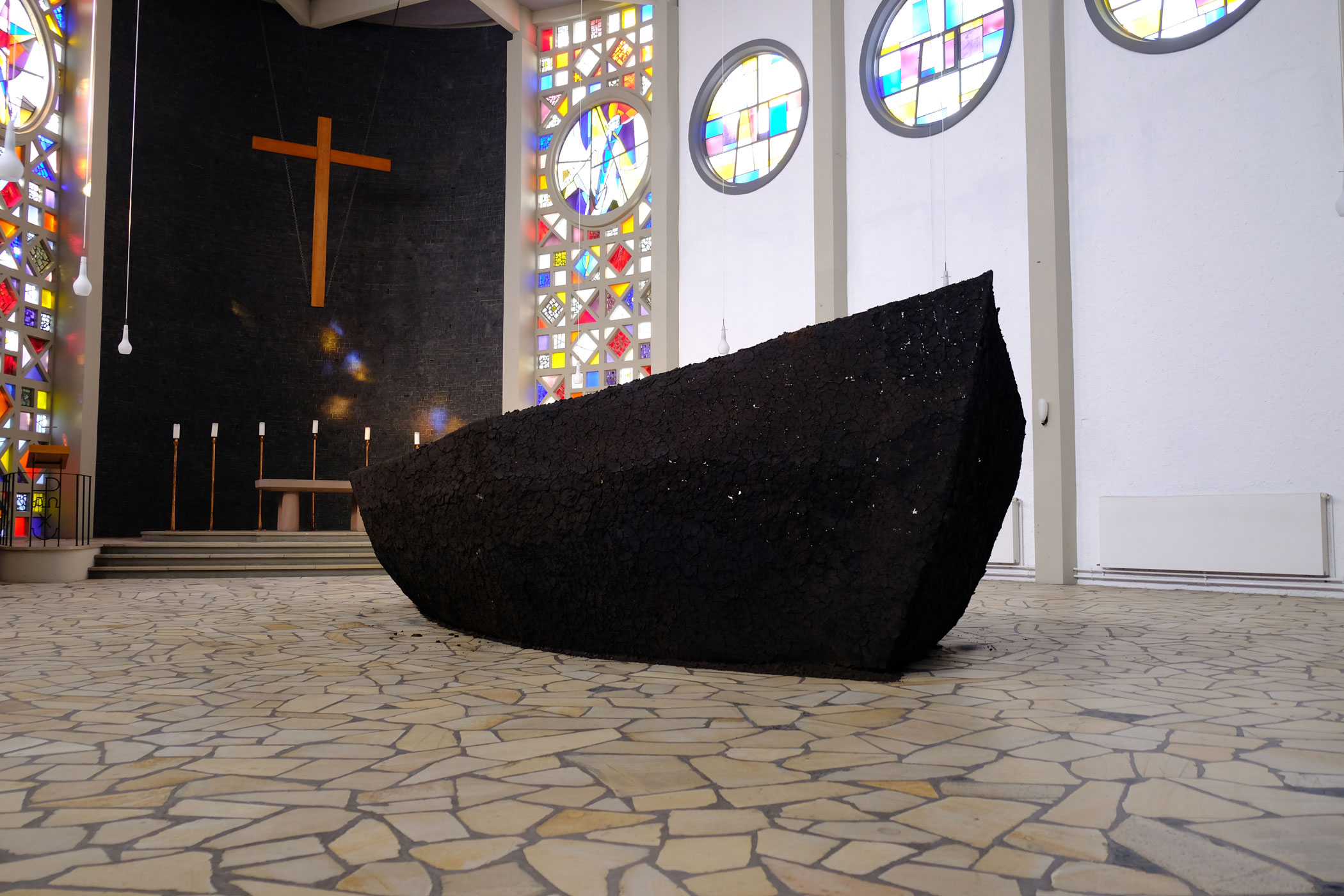
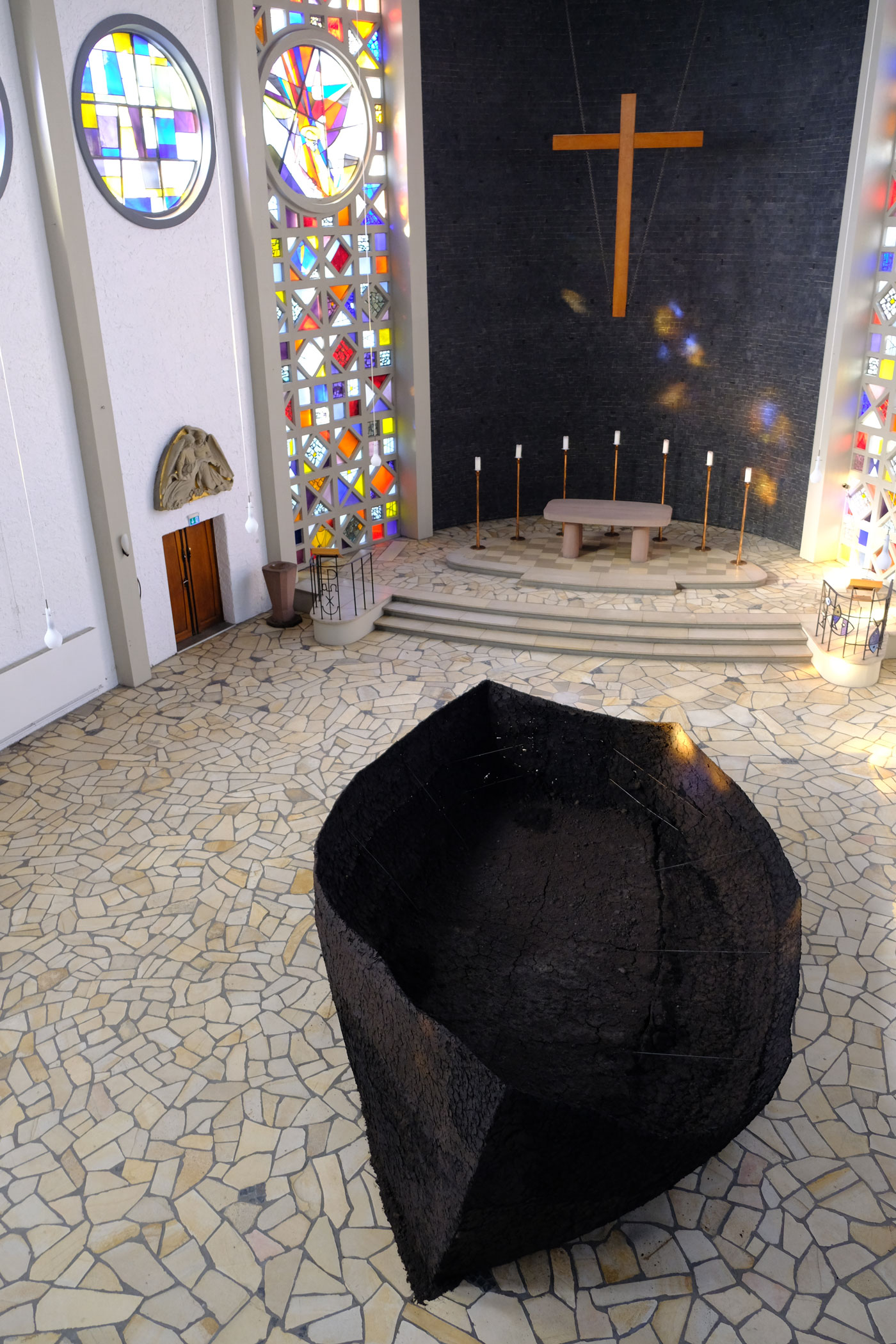
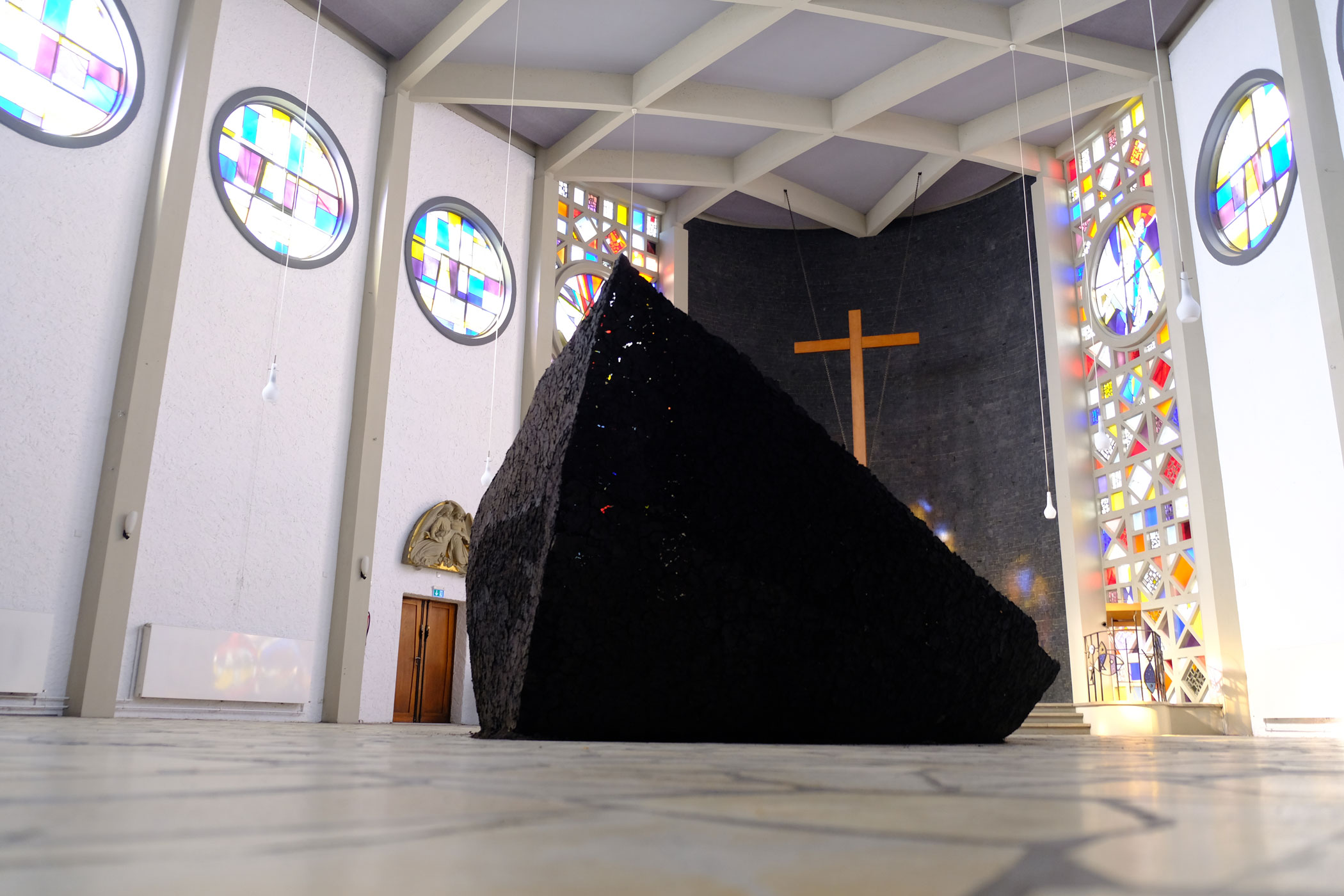
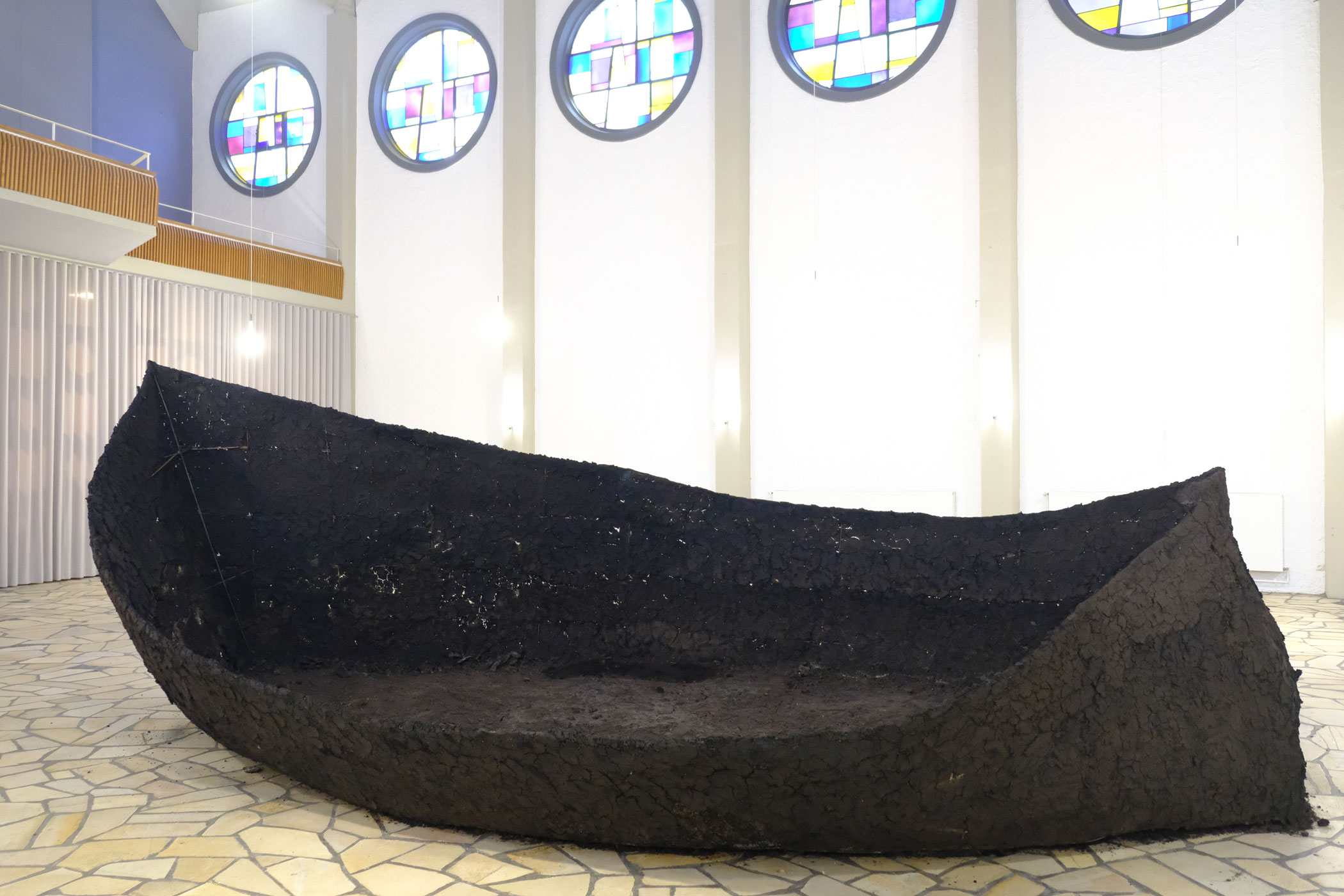
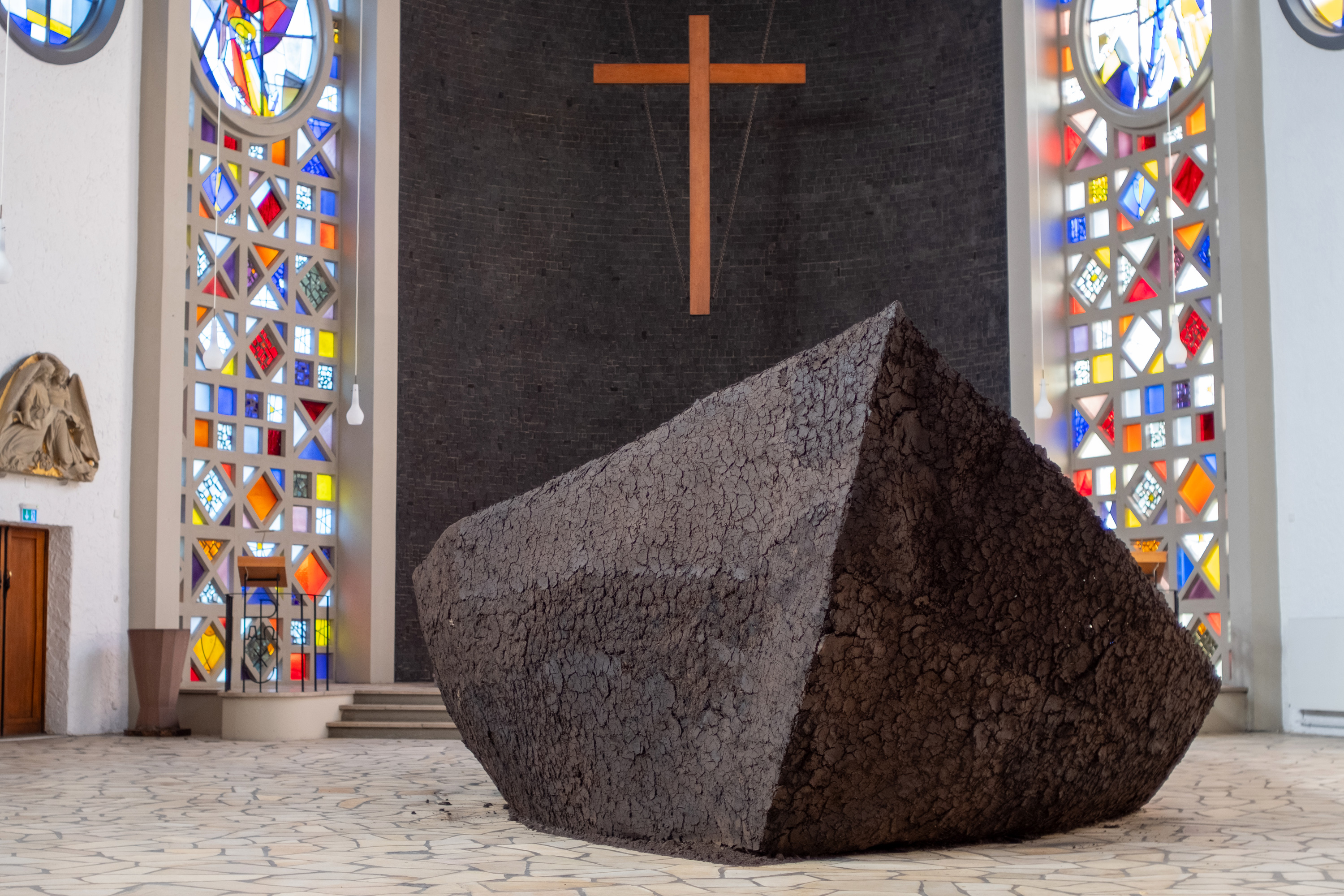
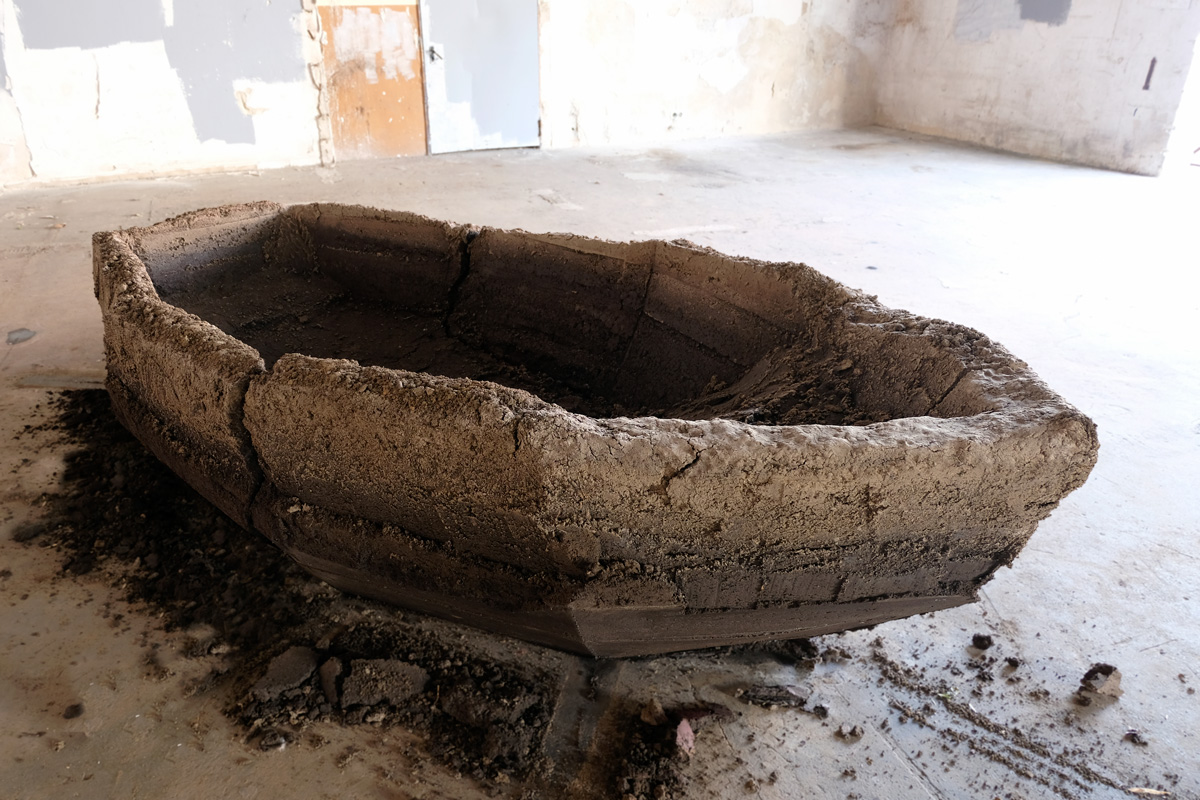
The Ship
2022
Earth, Steel, Loam, Lignin
820 x 230 x 500 cm |
|
 |
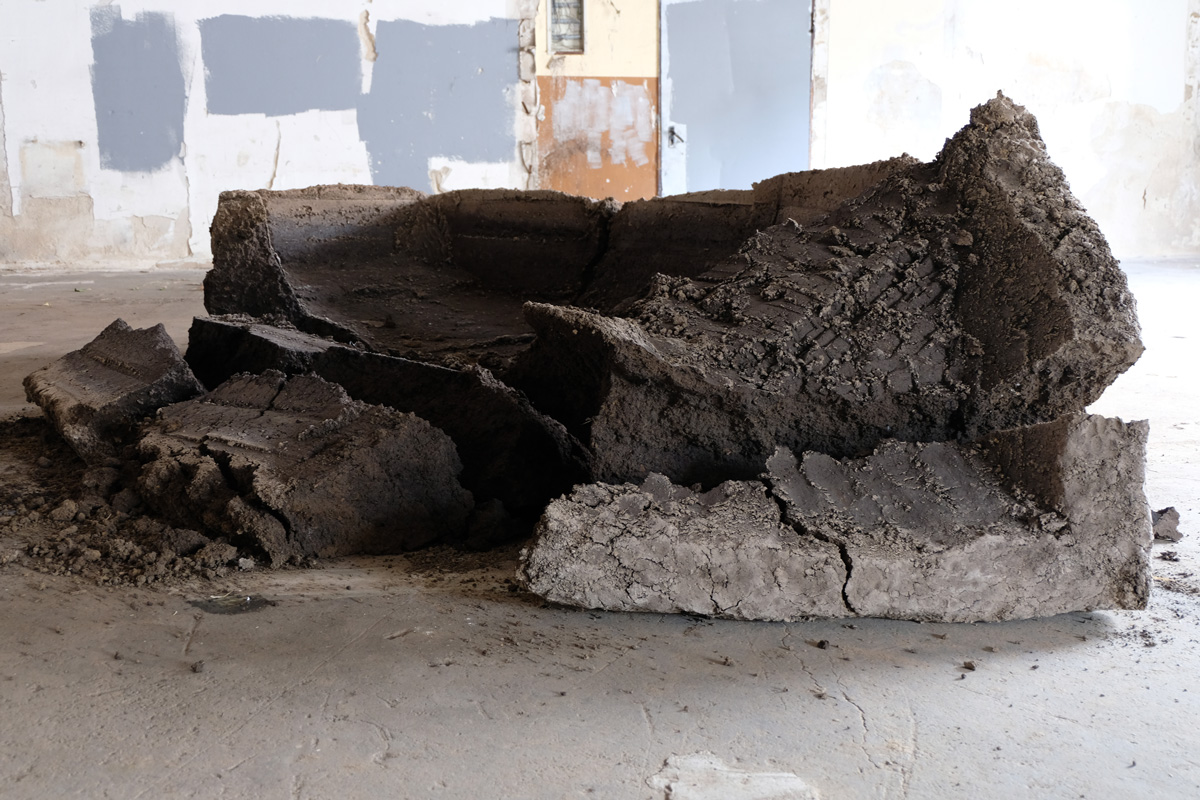
The Humanitarian Corridor
2022
Dimension variable
Earth, Steel, Loam, Lignin |
|
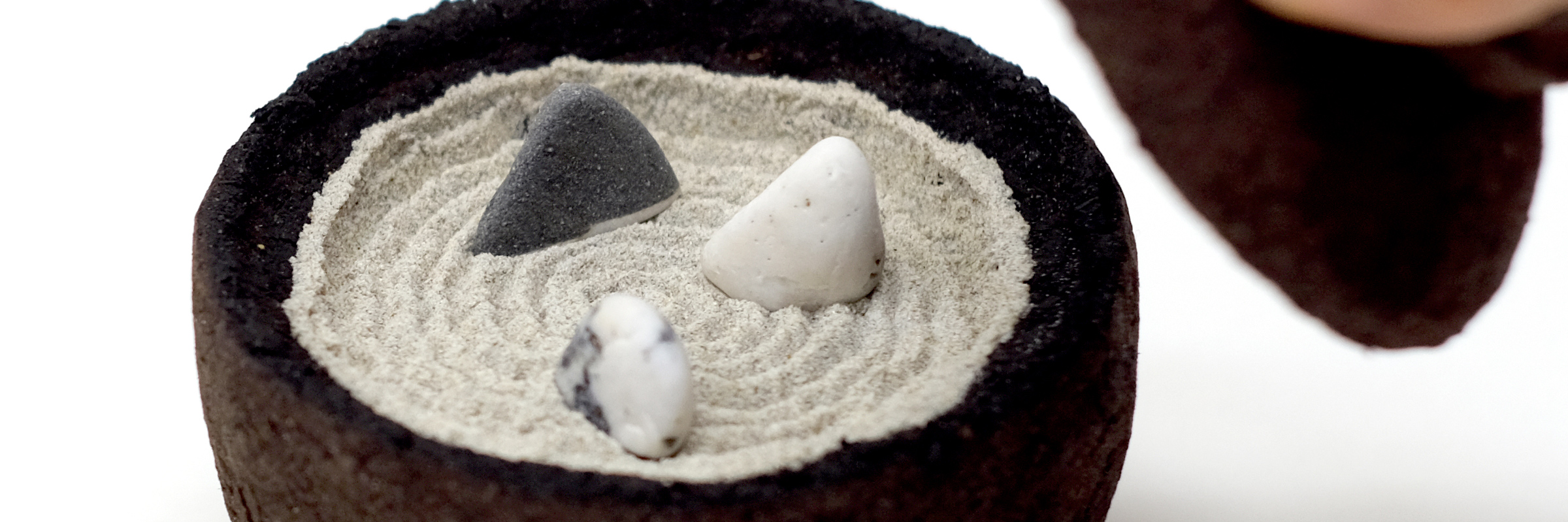 |
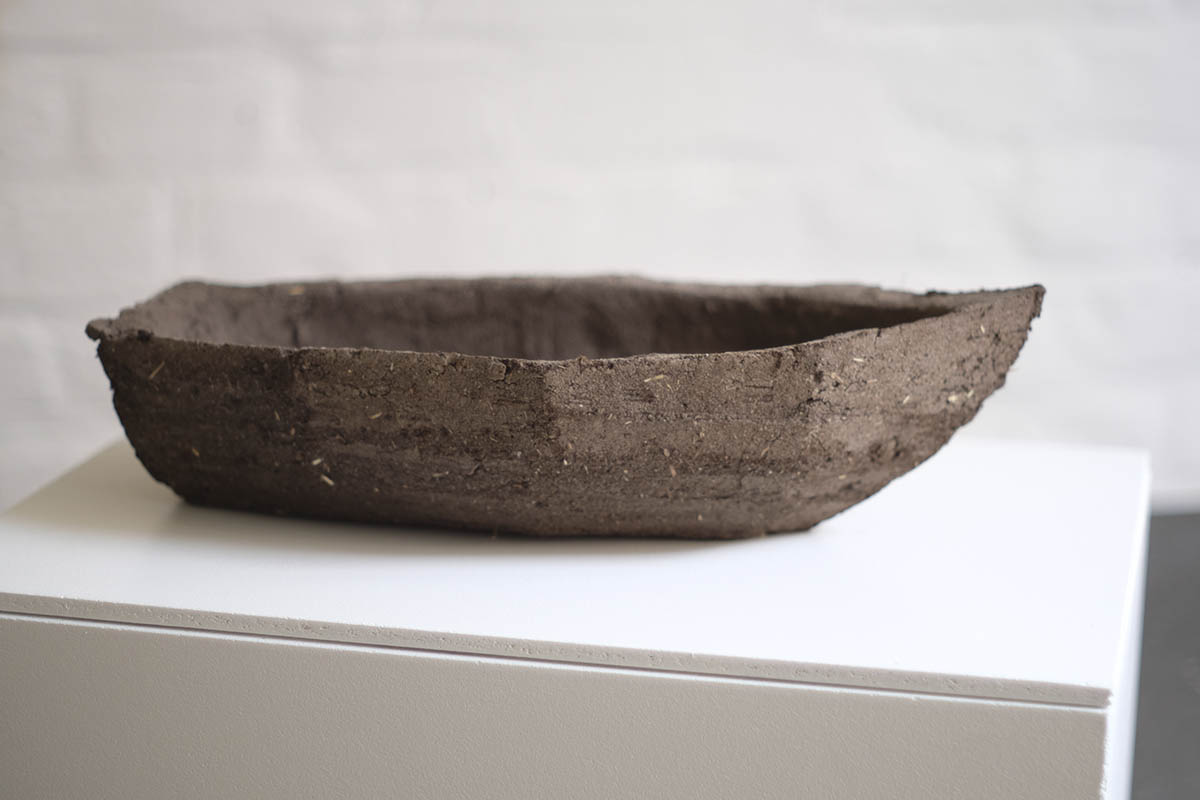
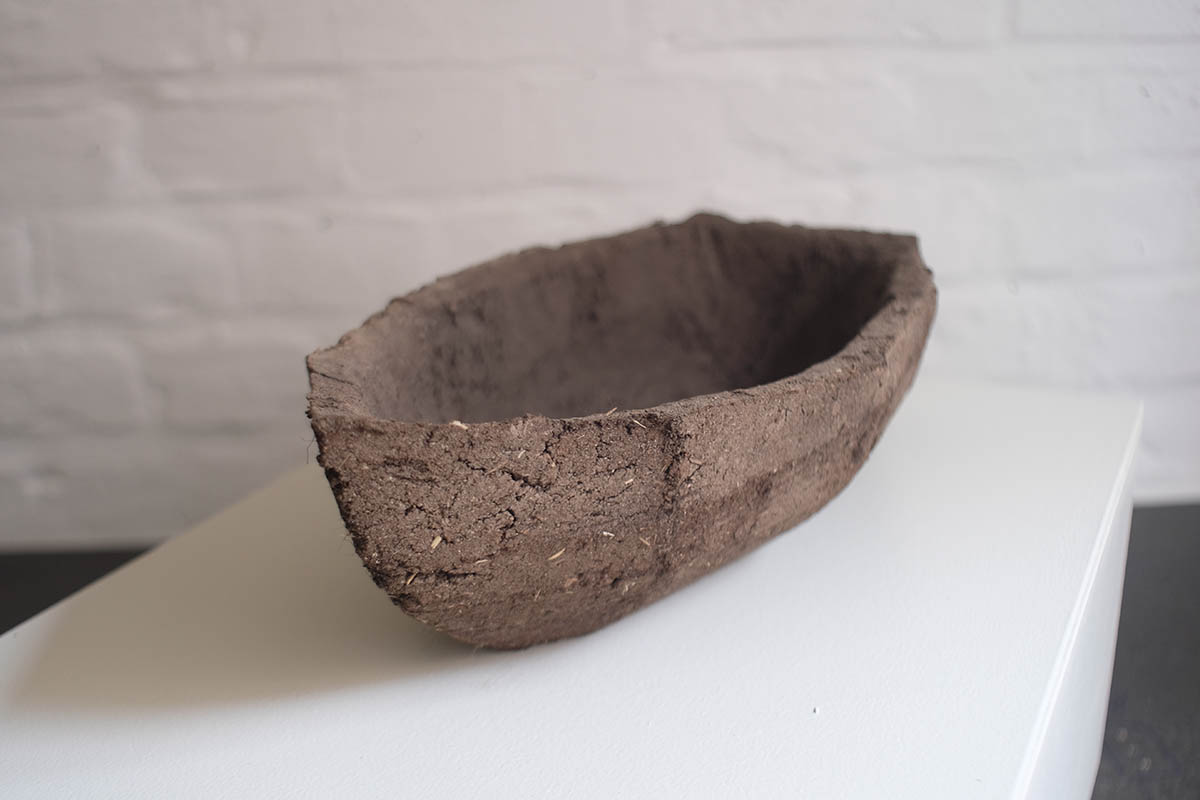
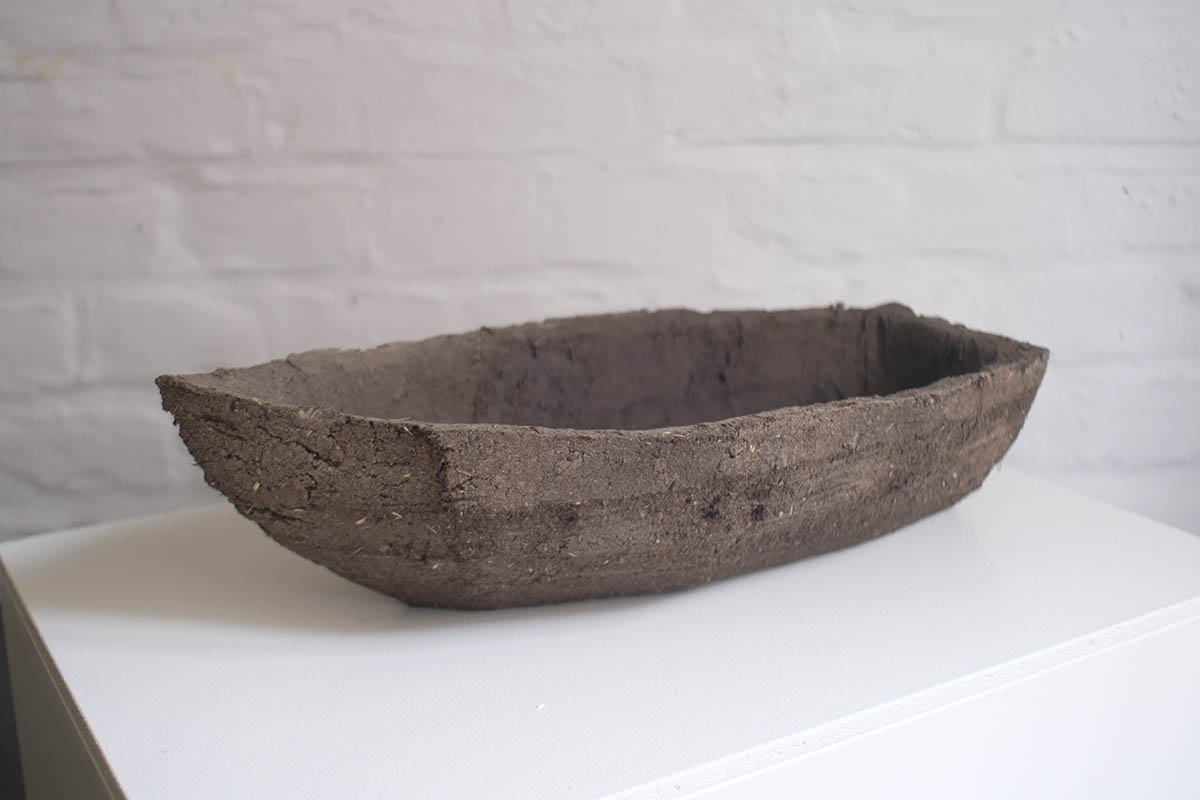
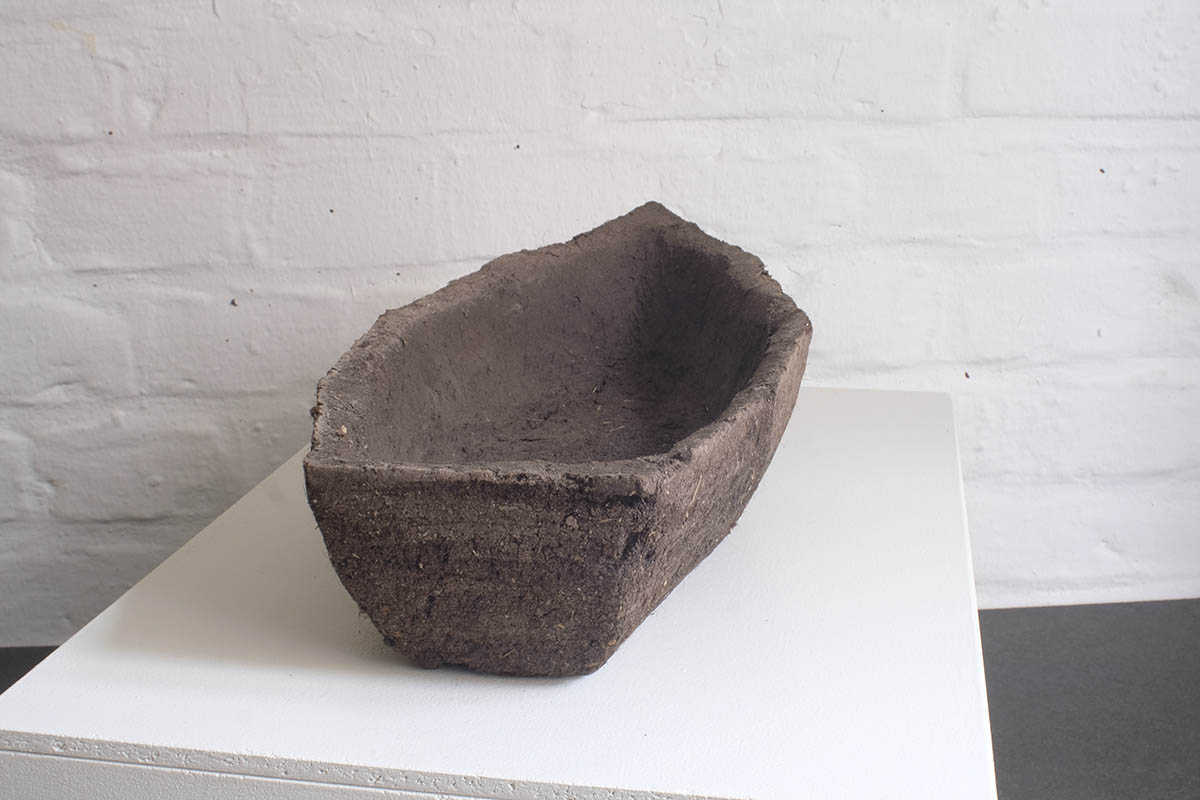
A Bowl of Meditation - Earth
2020
Earth, lignin, sand, Stone
10 x 10 x 10 cm |
|
Primary Earth Works
|
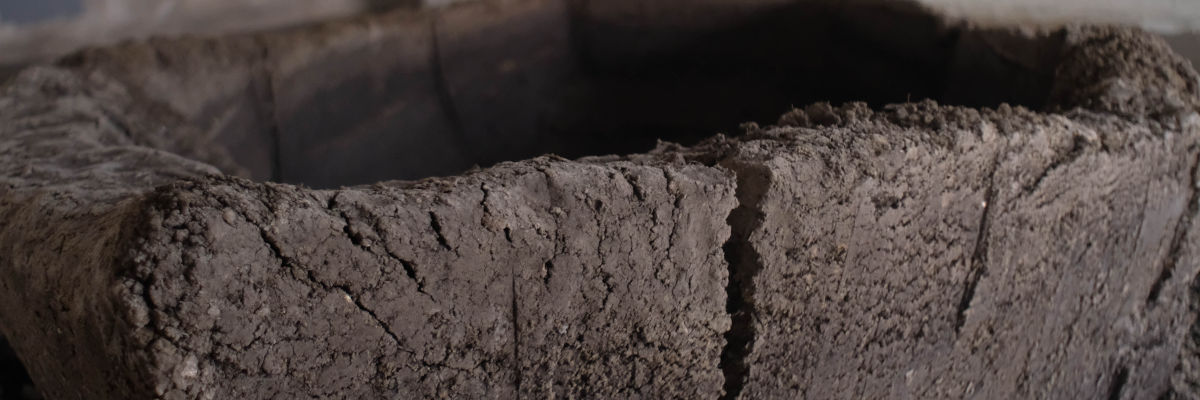 |
The Rationality of the Kachikachi Yama
2020
Erde, Lehm
160 x 200 x 400cm |
|
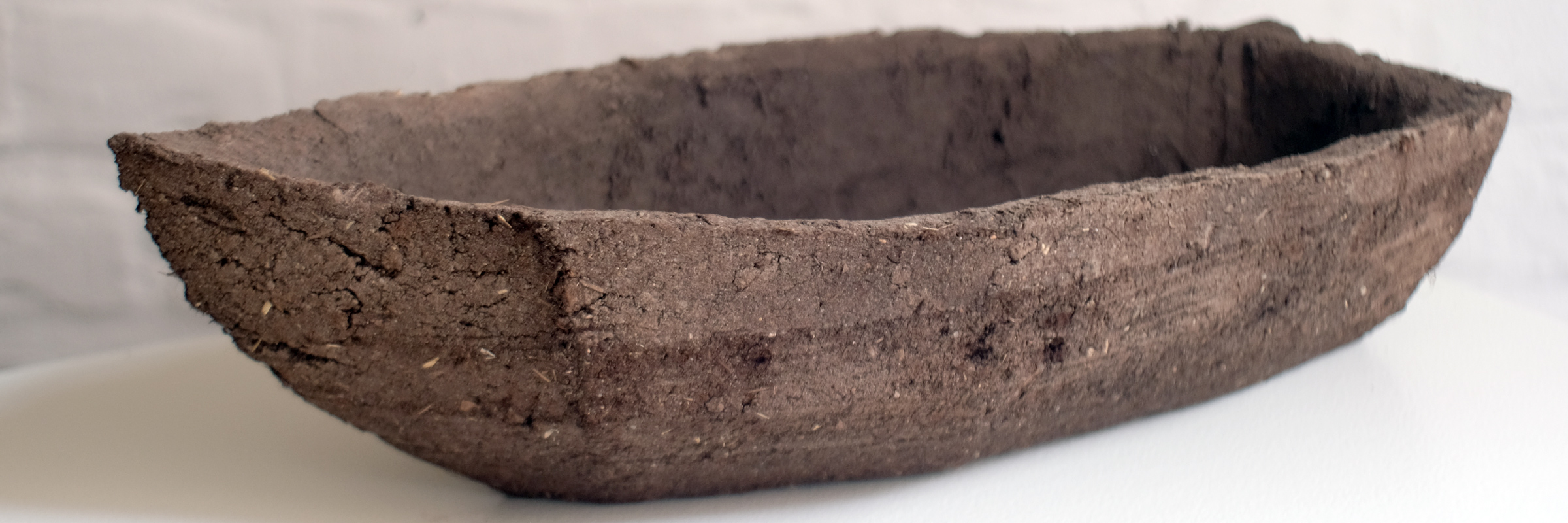 |
The Boot
2020
Erde, Lehm, Stroh
40 x 20 x 15 cm
9 peaces in diferent dimensions |
|
Related Works by ecological materials
|
 |
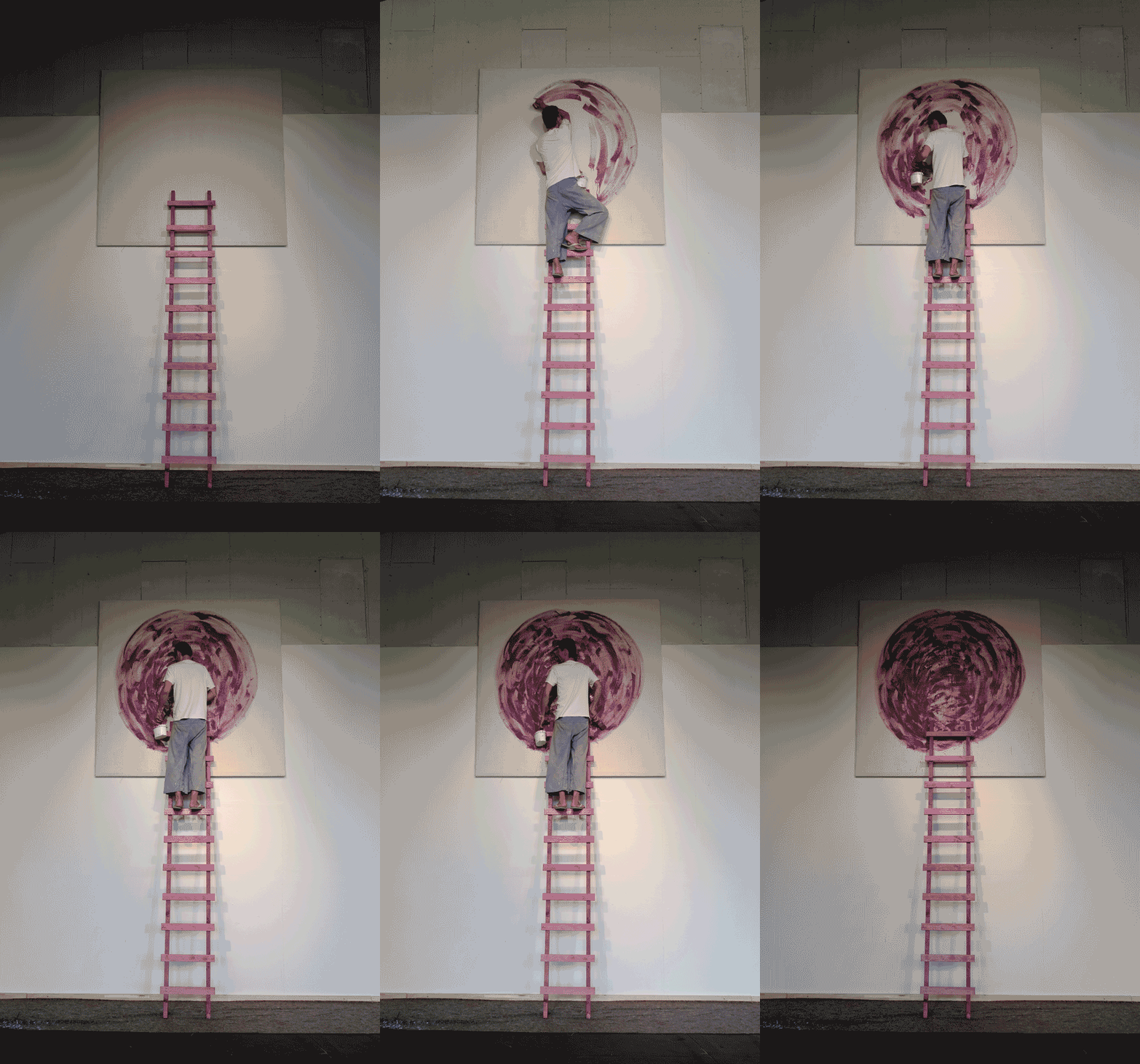
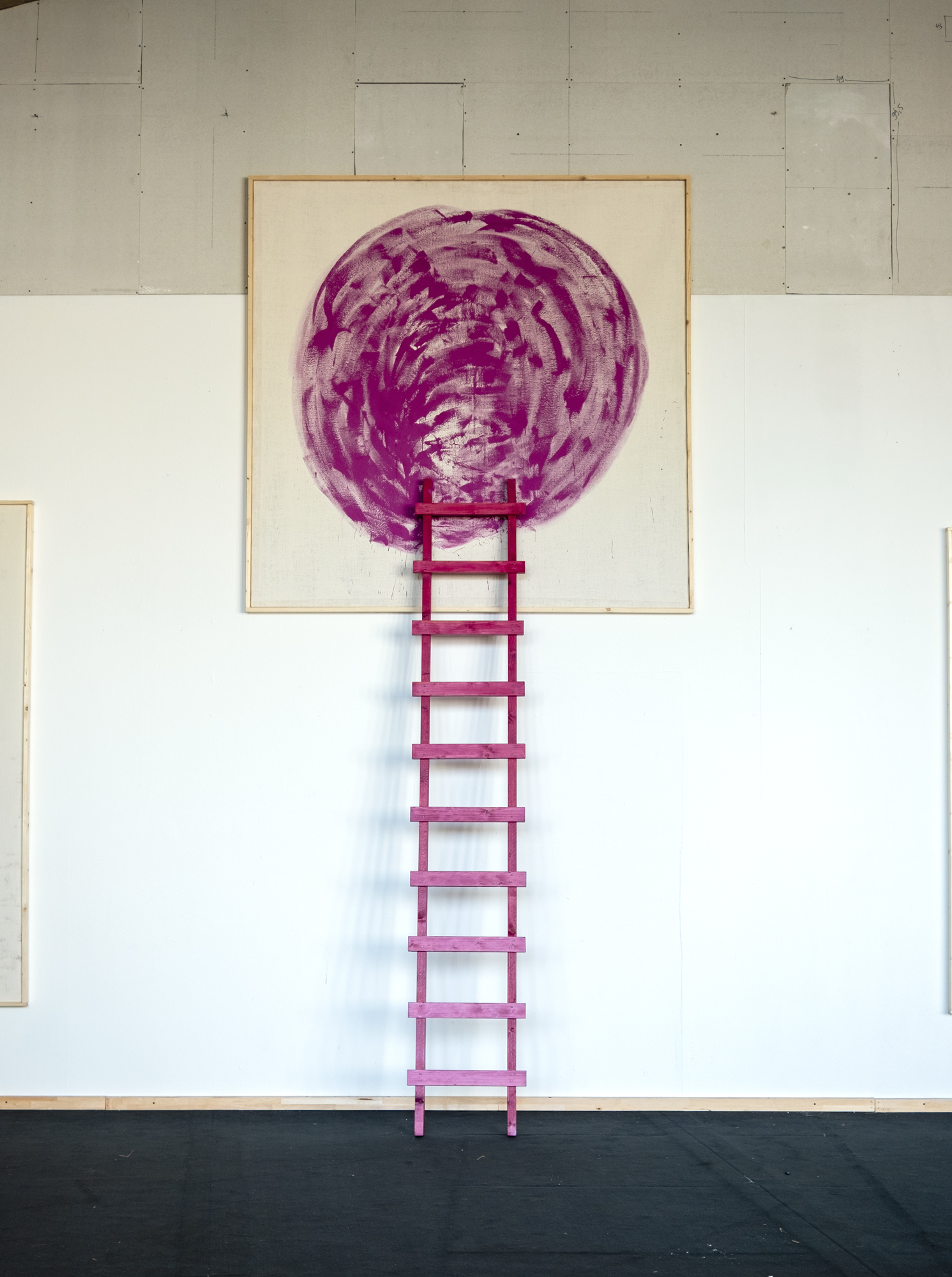
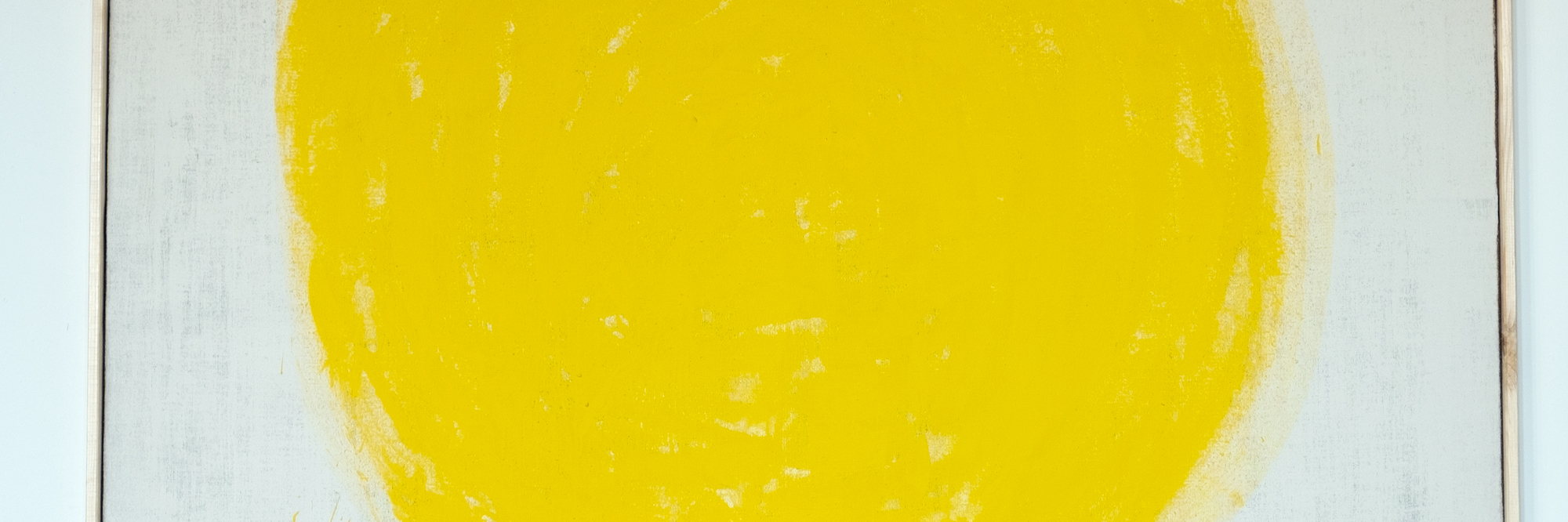
The Violet Ladder and it's Capacity - Honsellstraße 7
2026
429 x 201 x 65 cm
earth painton on canvas, Wood, Stain (ecological), nails |
|
 |
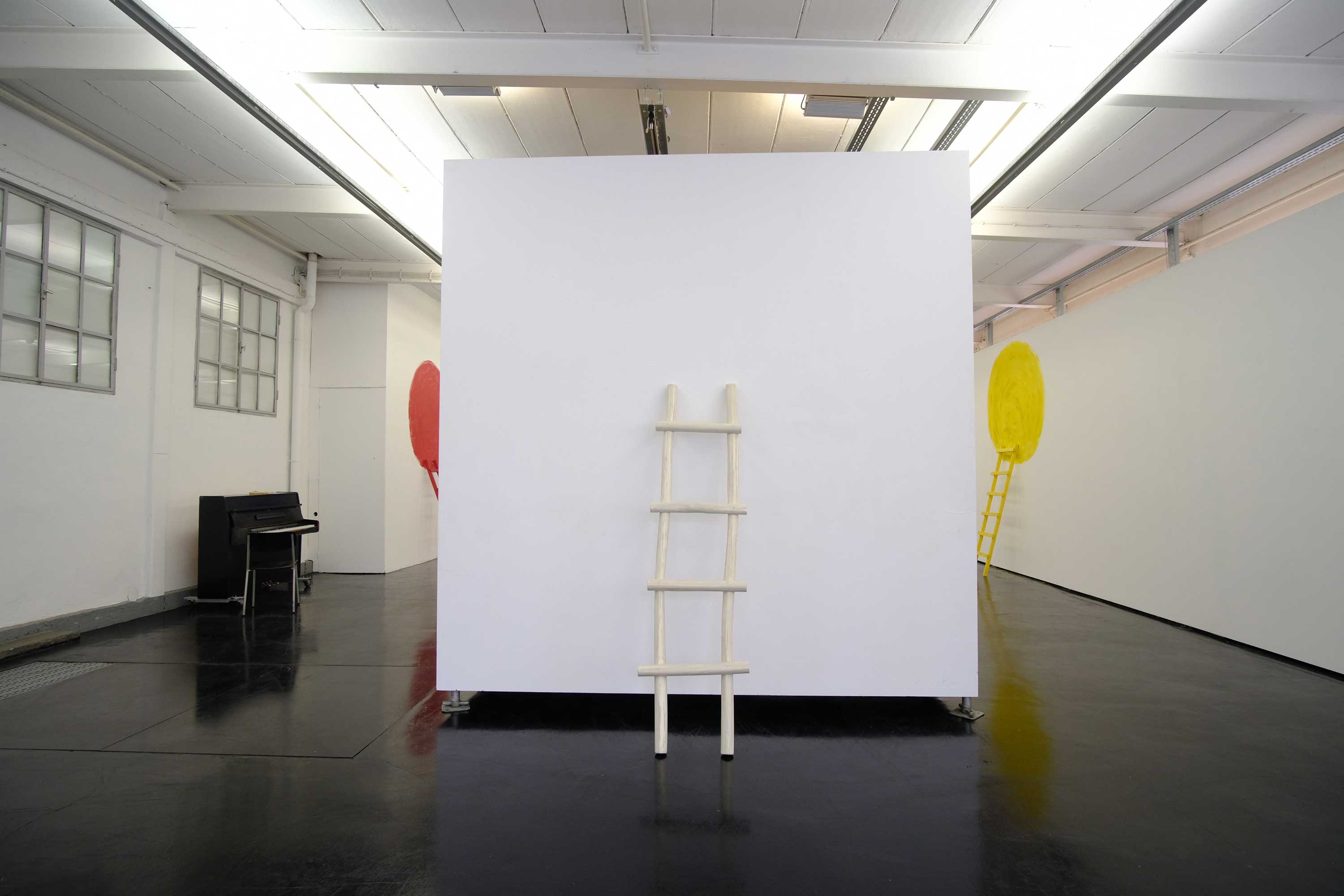
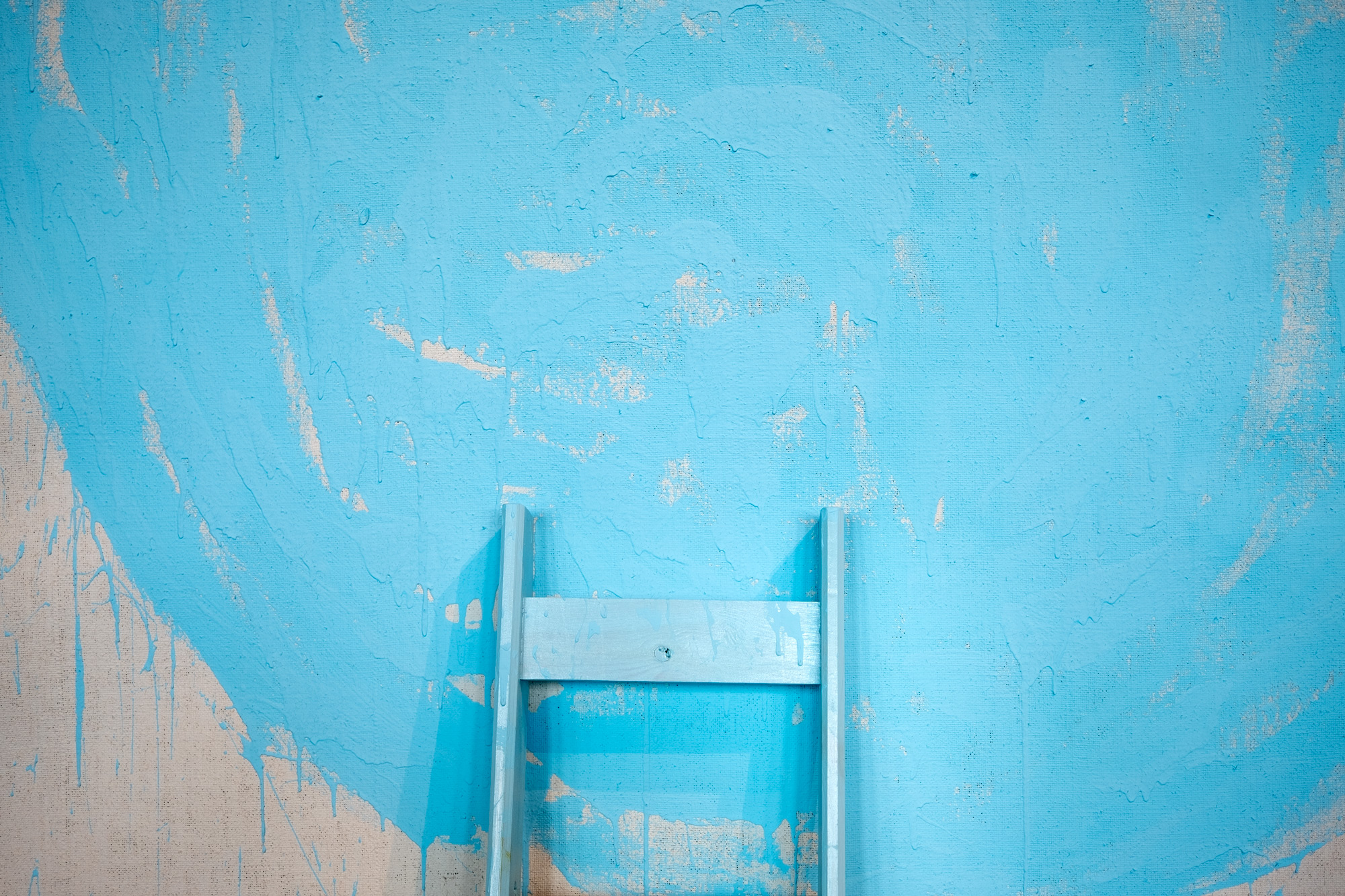
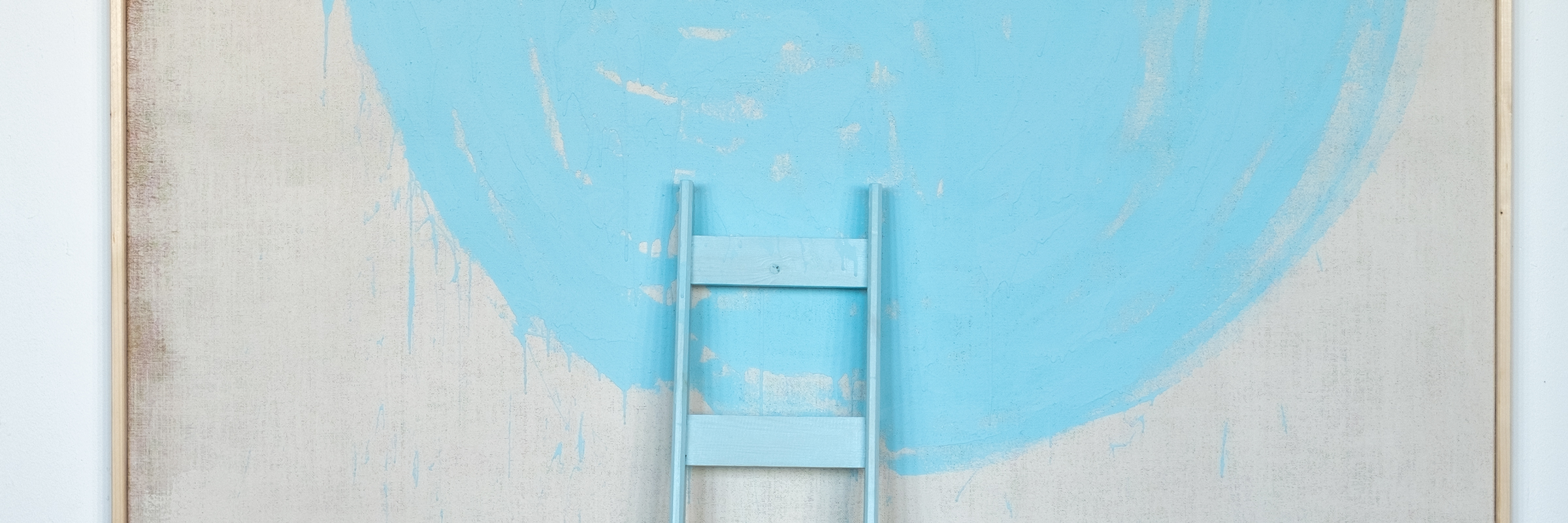
The Yellow Ladder and it's Capacity - Honsellstraße 7
2026
320 x 206 x 58 cm
earth painton on canvas, Wood, Stain (ecological), nails |
|
 |
The Frozen Ladder and its Capacity - Zum Gottschalkhof 3
2025
267 x 189 x 38 cm
earth painton on canvas, Wood, Stain (ecological), nails |
|
 |
The Orange Ladder and its Capacity - Linnéstraße 3
2023
279 x 198 x 31 cm
earth painton on canvas, Wood, Stain (ecological), nails |
|
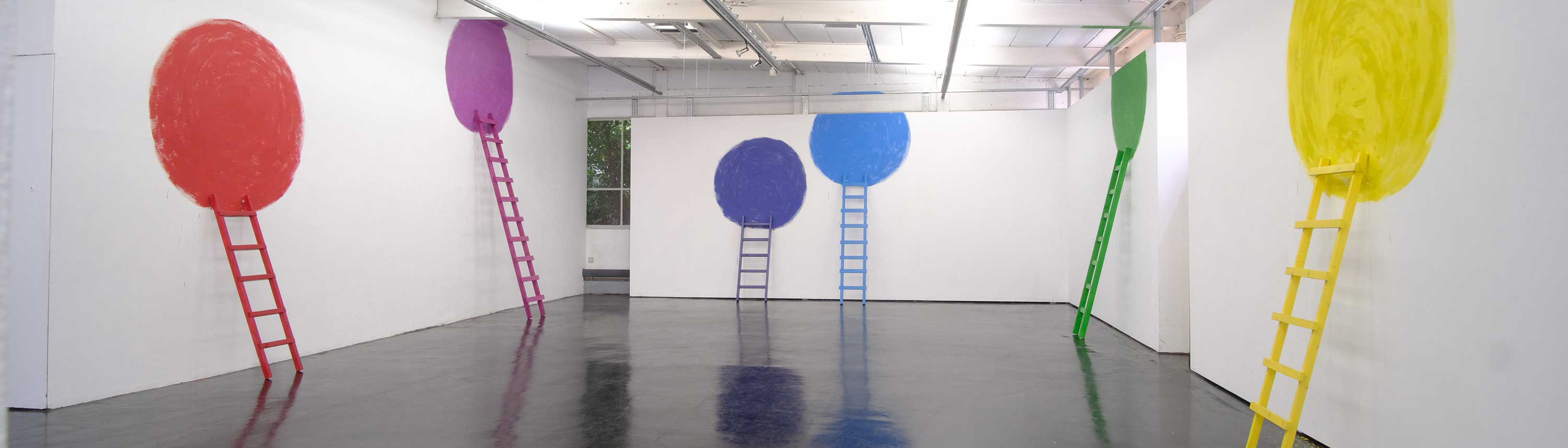 |
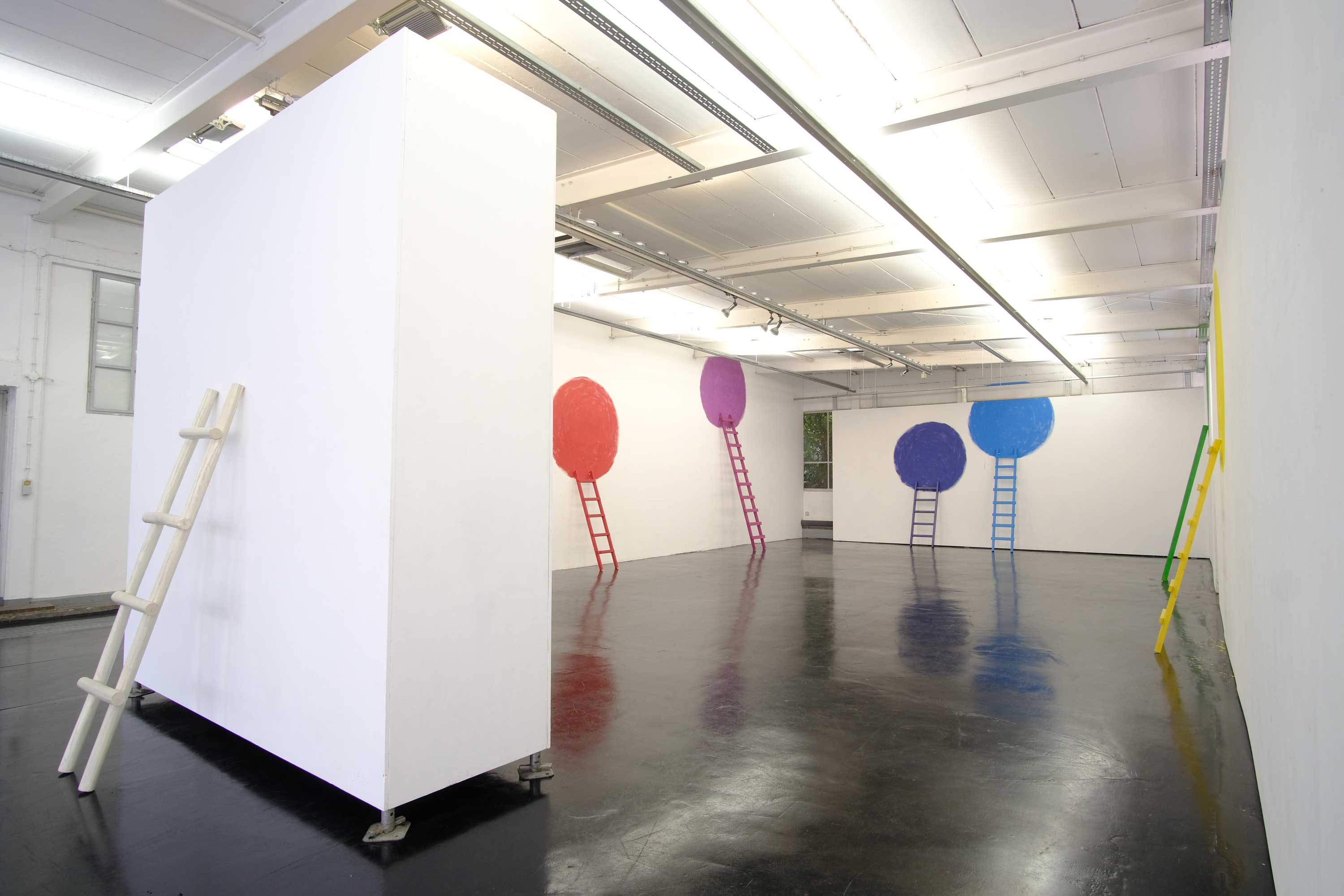
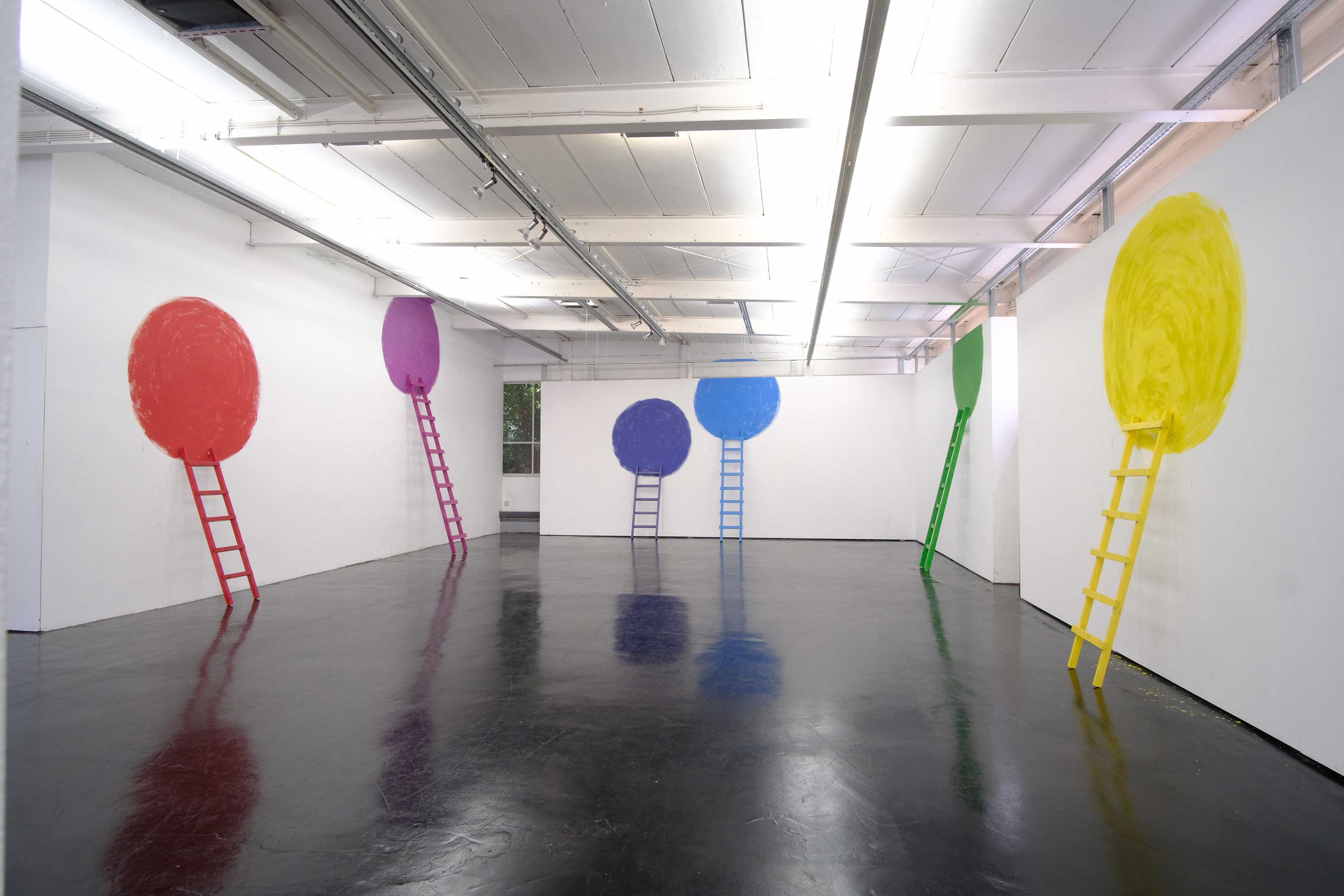
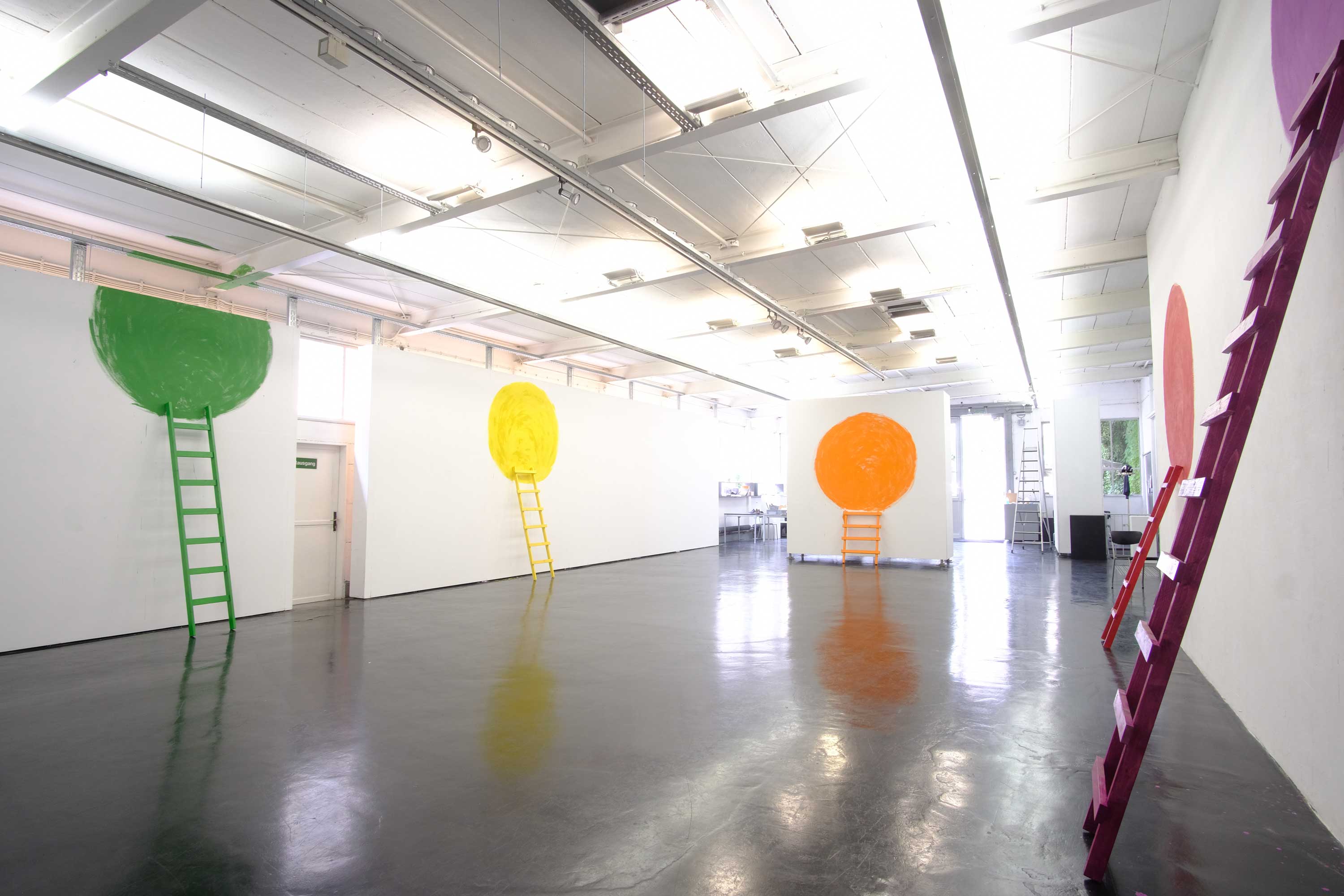
Seven Tones Bridge the Rainbow
2022
820 x 230 x 500 cm
earth paint, Wood, Stain (ecological) |
|